
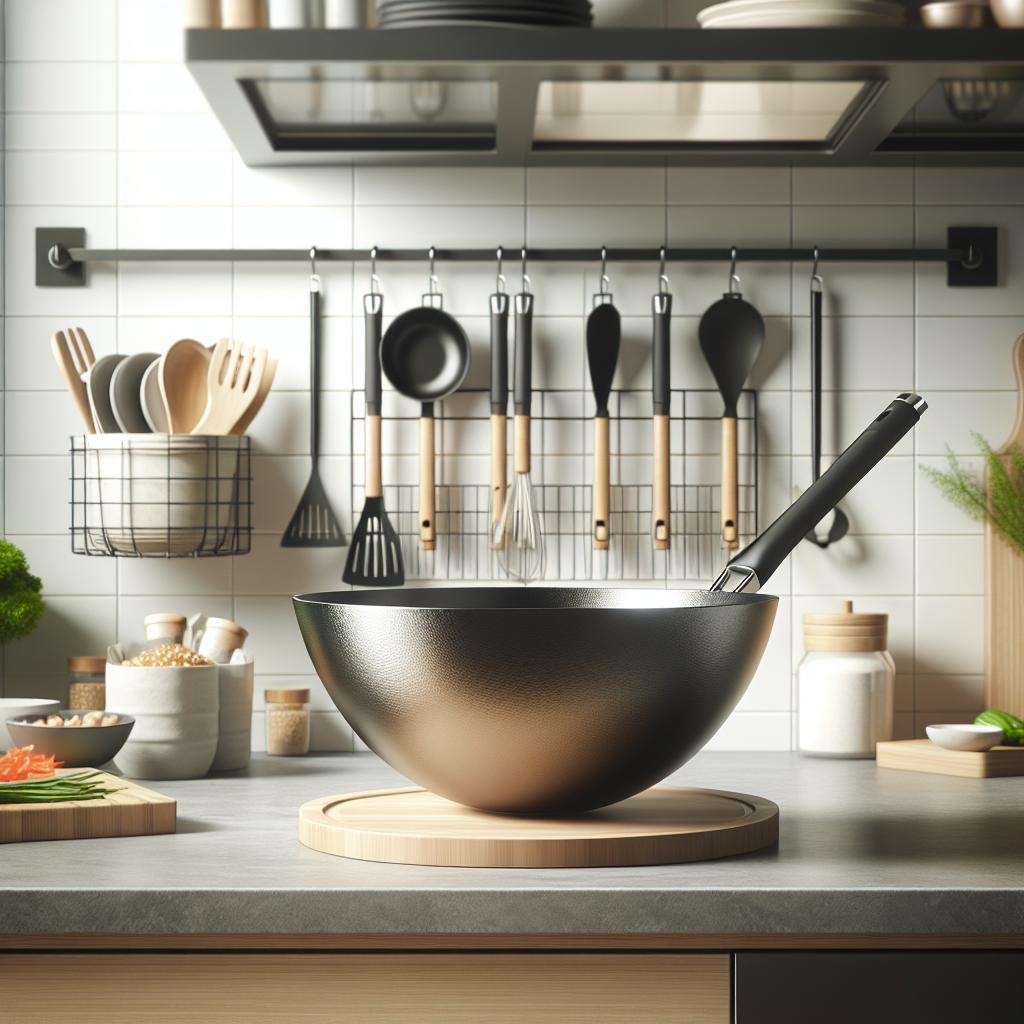

Are you ready to elevate your home cooking experience? A non-toxic wok can be your key to healthier stir-frying, allowing you to bring vibrant flavors and nutrition to your meals without compromising on safety. As we become increasingly aware of what we’re putting into our bodies, opting for a non-toxic cooking surface not only enhances the taste of your dishes but also promotes better health for you and your loved ones. Let’s explore why this healthier option for stir-frying at home is not just a trend, but a smart choice for any kitchen enthusiast.
Choosing the Right Non-Toxic Wok
When it comes to selecting a non-toxic wok, you’re casting a line into a sea of choices—each one offering something unique yet potentially fraught with hidden dangers. The goal is clear: you want a cooking tool that not only jazzes up your stir-frys but also keeps your health intact. Remember the old saying, “you are what you eat”? Well, you might also be what you cook with! Choosing the right wok is like choosing a dance partner; the right one will make your culinary performances extraordinary while the wrong one might just stomp on your toes.
Material Matters
The first thing to zero in on is the material. Woks come in various materials, each having its pros and cons. Here are some popular options:
- Carbon Steel: This is the classic! It heats evenly and, once seasoned, develops a non-stick surface. Just remember, it’s like your ex—needs a little love and maintenance!
- Cast Iron: Known for its heat retention, a well-seasoned cast iron wok can make you feel like a pro in the kitchen. However, it’s heavy as a truck, so think twice before doing a stir-fry marathon.
- Stainless Steel: Durable and easy to clean, but you might need to grease it up to prevent food from sticking. It may not be as ‘non-toxic’ as it sounds if you’re using non-stick sprays.
- Tempered Glass: Not the traditional choice but offers visibility and quick cooking times. However, I wouldn’t suggest flipping it over your head like a seasoned chef!
Each material plays a different role in your cooking experience. If you want that robust smoky flavor in your dishes, carbon steel is the champion of the wok world.
Coating Concerns
Next, let’s chat about coatings—because nobody wants toxic fumes mingling with their sizzling veggies. Non-stick coatings such as Teflon can be problematic if overheated, so it’s wise to avoid them. Look for alternative non-toxic options like:
- Natural Seasoned Surfaces: As mentioned, carbon steel or cast iron woks develop a natural non-stick surface when seasoned properly.
- Ceramic Coating: They promise a non-toxic cooking experience! Just watch out for high temperatures—nobody likes a cracked ceramic wok.
Remember, the goal is safety while sautéing. A good rule of thumb is to steer away from anything with ‘PTFE’ or ‘PFOA’ in its materials.
Size and Shape
Woks come in different sizes and shapes, and while this might seem trivial, it can make or break your cooking reputation. A traditional round-bottom wok is great for tossing ingredients but may require a specialized burner. Flat bottoms, on the other hand, sit nicely on any stove but may not give you the same tossing freedom.
To help you visualize, here’s a quick comparison of sizes:
| Size | Best For |
|---|---|
| 12” | Small batches or singles |
| 14” | Family-sized meals |
| 16”+ | Party-sized stir-frys |
Choose wisely based on your culinary needs and the size of your family—or your Instagram-worthy dinner parties!
selecting the right non-toxic wok is an investment in your health and your kitchen adventures. So whip out your notebook, jot down your priorities, and get ready to stir-fry without a side of toxicity. Just remember, whether you’re sautéing shrimp or tossing in veggies, it’s all about the journey. Keep it safe, keep it fun, and happy cooking!
Understanding Safe Materials for Cooking
When it comes to whipping up a delicious stir-fry, most of us instinctively reach for our trusty old woks. But have you ever stopped to consider what those woks are made of? It turns out that not all cooking vessels are created equal, especially when it comes to health and safety. With the rise of non-toxic cookware, has never been more important. After all, the last thing you want is to add uninvited chemicals to your mouth-watering veggies!
Exploring Safe Cookware Materials
When looking for non-toxic options, it’s crucial to know which materials are safe for everyday cooking. Here are a few that spark joy for both your health and your culinary skills:
- Stainless Steel: Durable and versatile, stainless steel woks can withstand high heat and are resistant to rust and corrosion. They don’t react with acidic foods, which is a big plus!
- Cast Iron: This heavyweight champ not only retains heat beautifully, but it also adds a sprinkle of iron to your meals. Just remember to season it regularly and try not to be too rough with that spatula!
- Ceramic-Coated: If you’re allergic to non-stick coatings, ceramic might be your knight in shining armor. These woks often come with a lovely non-stick surface without the dangerous chemicals like PTFE or PFOA. They’re great for those easy clean-ups, too—if only my kitchen counter were this easy to clean!
- Bamboo and Wooden Woks: For the eco-warriors out there, bamboo cooking items are biodegradable and free from synthetic chemicals. Just like your favorite sustainable coffee shop, they reflect a love for the planet (but they may not withstand as much heat).
The Risks to Watch Out For
Of course, with great cooking power comes great responsibility! Some cookware can do more harm than good. Here’s a quick rundown of materials to be cautious of:
- Teflon and Other Non-Stick Coatings: Initially, these surface marvels made cooking and cleaning a breeze, but they have lately been linked to health concerns. The chemical compounds in such coatings can break down at high temperatures and become harmful fumes—your stir-fry shouldn’t come with a side of health risks!
- Aluminum: While lightweight and good for heat conduction, some studies suggest aluminum could be linked to neurotoxicity. If you must use aluminum, look for those anodized or hard-anodized versions; they create a protective layer that helps keep your food safe.
In the Kitchen: Practical Tips
As we dive into the delightful world of stir-frying, remember to keep these practical tips in mind:
- Research Brands: Not all brands are equal. Look for those that prioritize health and safety in their product lines.
- Check for Certifications: Look for cookware that is certified non-toxic or meets safety standards. A little snooping goes a long way!
- Read Labels: Don’t just take the word of salespeople—become a master detective! Look for woks without chemicals like PTFE, PFOA, lead, or cadmium.
- Invest Wisely: Think of high-quality cookware as a long-term investment. It’ll serve you well through countless meals and probably outlast your New Year’s resolution!
In this cooking adventure, your best ally is knowledge. Keep sharpening your understanding of cookware materials so your culinary delights can shine without the specter of toxins lurking behind the scenes. Remember, a happy stir-fry is not just about the flavor—it’s about the peace of mind that comes with knowing your cooking tools are safe!
Benefits of Non-Toxic Stir-Frying
The practice of non-toxic stir-frying isn’t just a culinary trend; it’s a leap towards a healthier lifestyle wrapped in a delicious package. Imagine tossing your favorite vegetables—crisp bell peppers, vibrant broccoli, and tender snap peas—together in a steaming wok, and feeling good about it, knowing that the cookware you’re using isn’t leaching harmful chemicals into your meal. That’s a win-win situation! With more people concerned about the safety of their cooking methods, exploring non-toxic options in the kitchen becomes an act of self-care that extends well beyond dinner time.
Health Benefits
When you opt for cookware that’s free from toxic chemicals, you’re giving both your body and your taste buds a treat. Traditional non-stick pans often contain harmful substances like PFOA and PFAS, which have been linked to health risks such as hormonal imbalances and certain types of cancer. Switching to non-toxic woks—be it ceramic, cast iron, or stainless steel—means you’re like a culinary superhero, defending your health from these sneaky villains. Plus, these alternatives are generally more durable and can withstand higher heat, making stir-frying a breeze!
Consider the nutrients that typically get lost when using the wrong cookware. With non-toxic options, you can preserve compounds such as vitamins and antioxidants that are essential for your health. Vegetables stir-fried at high temperatures can retain their bright colors and vital nutrients so you can eat the rainbow without compromising your well-being.
Flavor and Versatility
When it comes to flavor, using the right wok can transform your home-cooked meals into culinary masterpieces. Non-toxic materials can enhance the roasting and caramelization of your ingredients, adding layers of flavor that are hard to achieve with those cheap non-stick surfaces. It’s like upgrading from a flip phone to a smartphone—once you go there, there’s no looking back!
Here’s a fun little anecdote: I once tried to stir-fry using a regular non-stick pan during a dinner party—let’s just say it resulted in a quasi-gourmet dish of rubbery broccoli and a side of burnt garlic. No one wants to relive that moment! Quality non-toxic woks allow for high-heat cooking, meaning quick meals that lock in the flavors while keeping things healthy. Plus, they are often multi-functional; use your non-toxic wok not just for stir-frying, but for steaming, braising, and even deep-frying if you’re feeling adventurous.
Environmental Impact
Choosing a non-toxic wok doesn’t just benefit your health; it’s a nod to Mother Earth, too! Many traditional non-stick cookware releases harmful fumes and chemicals when heated, adding to the pollution affecting our planet. Opting for non-toxic materials means you’re making a more sustainable choice that reduces your environmental footprint.
To illustrate this further, consider the difference between using a cast iron pan made to last a lifetime versus disposable, Teflon-coated skillets that end up in landfills faster than a sneeze at a cherry blossom festival. Even if it takes a bit more elbow grease to maintain that cast iron, think of it as an investment—not just in your cooking, but in a cleaner, greener future!
embracing non-toxic stir-frying offers a wealth of benefits ranging from improved health outcomes and flavor enhancement to making choices that contribute to environmental well-being. You’re not merely upgrading your cookware; you’re investing in a healthier lifestyle, one delicious stir-fried meal at a time. So, grab your non-toxic wok and let’s cook up something amazing—it’s time to stir-fry with a conscience!
How Non-Toxic Woks Promote Health
Non-toxic woks have gained a reputation as the go-to skillet for health-conscious home chefs, and for good reason! When you think of a clean kitchen, do you picture one that’s free from harmful chemicals and toxins? I mean, who wants their delicious stir-fry to come with a side of questionable ingredients, right? Let’s dive into how these eco-friendly cooking vessels can be not just good for your food, but also for your overall health!
Reducing Chemical Exposure
When you cook with non-toxic woks, say goodbye to the dreaded Teflon scare! Traditional non-stick pans often rely on coatings that can leach harmful chemicals into our food when heated. Many non-toxic options, such as cast iron, stainless steel, or even certain ceramic woks, offer a safe alternative. These materials don’t release any weird substances into your stir-fry as they heat up, keeping your meals as pure as fresh mountain air.
Think about your old non-stick pan like that friend who’s always down for a good time but doesn’t know when to stop partying—eventually, they’re gonna let you down. Switching to a non-toxic wok not only boosts your cooking game but also helps ensure that your meals remain free from those sneaky chemicals that can be harmful over time.
Enhancing Nutrient Retention
Cooking at high temperatures is pretty much the gold standard for stir-frying, right? But did you know that using a non-toxic wok can actually enhance how well your food retains its nutrients? Traditional non-stick surfaces can sometimes make heat distribution uneven, allowing some food to burn while others remain undercooked. This not only affects the taste but can also deplete essential nutrients.
In contrast, many non-toxic woks, particularly those made from materials like carbon steel or cast iron, heat consistently and efficiently. This means veggies stay vibrant—and’ packed with vitamins. It’s like using a magic wand that enhances the flavor of your food while keeping your health in check! Plus, cooking in a well-seasoned cast iron wok can even add a touch of iron to your meals. Talk about multitasking!
Easy to Clean, Healthy Living
Cleaning up after a meal shouldn’t feel like climbing Mount Everest. With non-toxic woks, you can spend less time scrubbing and more time enjoying your delicious creations. Many of them have properties that resist food buildup, which means quicker cleanups. That’s right; no more elbow grease battles against burnt-on food! Just a simple rinse and a soft scrub, and you’re golden.
Let’s not forget about sustainability here—some of the best non-toxic materials, like cast iron, can last for generations when properly cared for. It’s like a good relationship: treat it well, and it’ll be there for you in the long haul. By choosing these healthier options, you’re not only making a choice for your own health but also for the planet. It’s a win-win situation!
Keeping Cooking Fun and Flavorful
Using a non-toxic wok can actually inspire you to get creative in the kitchen. Think about it: when you know you’re using a safe cooking surface, you might be a bit bolder in experimenting with new ingredients or techniques. Why not toss in that funky veggie you’ve never tried, or experiment with spices that tickle your taste buds?
Furthermore, cooking in a non-toxic wok provides a unique flavor profile that can elevate your meals. The natural seasoning that develops on a cast iron wok, for instance, adds depth to the food, making every stir-fry an aromatic adventure. You might just find yourself hosting impromptu dinner parties to show off your culinary prowess!
In a nutshell, choosing a non-toxic wok is like opting for a truly wholesome life choice. Not only does it keep your food free from leaching chemicals, but it also enhances the nutritional value of your meals and makes cooking easier and more enjoyable. So the next time you’re flipping that stir-fry, remember: health and flavor go hand in hand when you’re cooking with the right tools.
Caring for Your Non-Toxic Wok
is akin to nurturing a fine wine or a beloved pet—it’s about empowering its longevity while ensuring it performs at its best. Now, I know what you’re thinking: “Isn’t that supposed to be effortless?” Well, it can be! With just a little TLC (that’s Tender Loving Care for those not in the know), your wok will stay as vibrant as your stir-fry’s colors.
You’ll want to start with the basics. After each use, resist the urge to submerge your wok in soapy water like it’s a regular old frying pan. It’s more delicate than it looks! Instead, simply rinse it with hot water and scrub with a soft sponge or cloth to remove any remnants of last night’s culinary adventures. If there’s some stubborn gunk, a paste of baking soda and water can do wonders—but don’t go scrubbing like your life depends on it; be gentle!
Storage and Seasoning
To keep your wok in peak condition, don’t forget about seasoning it. This is not just a fancy term for adding salt, my friend; it’s crucial for creating that natural non-stick surface and preventing rust. Don’t worry, it’s easier than choosing toppings for your pizza. Here’s how you can do it:
- Heat: Warm it on low heat until it’s just hot—think of getting cozy under a blanket, not standing too close to a bonfire.
- Oil: Add a thin layer of a high-smoke-point oil, like sunflower or grapeseed, using a paper towel to spread it evenly.
- Cool: Let it cool down and then wipe out the excess oil. Voilà! Your wok is ready for its next stir-fry showdown!
Avoiding Common Pitfalls
One of the biggest faux-pas is trusting metal utensils in the heat of the moment. That’s like bringing a knife to a gunfight. Stick to wooden or silicone tools that won’t scratch that precious non-toxic surface. And while we’re at it, avoid cooking excessively acidic foods like tomato-based sauces for prolonged periods—think of it as asking your wok to carry a weight it simply wasn’t designed for!
Here’s a neat little summary in table format for quick reference:
| Care Tip | Details |
|---|---|
| Cleaning | Rinse with hot water; avoid soap. Use baking soda for tough grime. |
| Seasoning | Heat, oil, cool and wipe; repeat as needed! |
| Utensils | Use wooden or silicone—no metal, please! |
| Acidity | Avoid prolonged cooking with acidic ingredients. |
Taking care of your non-toxic wok is like investing in a good relationship: it takes some effort but pays off deliciously in the end! The more you care for it, the better it will serve you in creating those mouthwatering meals that would make anyone’s grandmother proud. So, roll up your sleeves and show your wok the love it deserves—after all, it’s the unsung hero of your kitchen adventures!
Comparing Non-Toxic Woks with Traditional Options
When it comes to choosing a wok for your culinary adventures, the differences between non-toxic options and traditional woks can feel like stepping into two parallel universes. Picture yourself at a bustling local market, weighing the pros and cons of each utensil like a seasoned chef at a street vendor showdown. On one side, you have the traditional woks, often coated with non-stick surfaces that can unleash a Pandora’s box of health concerns, while on the other side, stand proud and shiny, the non-toxic heroes that promise both safety and performance.
The Good, the Bad, and the Carbon Steel
Let’s start with traditional options, shall we? Traditional woks, like your grandma’s favorite go-to, often consist of materials like aluminum or coated with a non-stick surface. While these can be great for fast and easy cooking—don’t we all love a quick stir-fry?—they can also release chemicals at high temperatures. Research indicates that some non-stick coatings can break down and leach into your food, particularly at the sizzling temperatures we often reach when stir-frying. Not the kind of seasoning you want for your veggies, right?
Now, on the flip side, non-toxic woks, such as those made from carbon steel or cast iron, deliver a sturdy and more versatile cooking experience. They’re the superheroes of kitchenware—reliable, durable, and free from toxic chemicals. Think of carbon steel as the tough, no-nonsense character in your favorite action movie, ready to tackle any culinary challenge without compromising your health. However, they do require a little TLC, like proper seasoning and care to prevent rust. It’s somewhat like maintaining a classic car; worth the effort for a smooth ride and fantastic performance!
A Quick Comparison of Features
To wrap your head around these differences, check out this succinct breakdown in the table below:
| Feature | Traditional Wok | Non-Toxic Wok |
|---|---|---|
| Material | Aluminum, Non-stick | Carbon Steel, Cast Iron |
| Toxicity Risk | Potentially harmful coatings | Free from harmful chemicals |
| Durability | May scratch or chip | Long-lasting, with proper care |
| Seasoning Requirement | No | Yes, for optimal performance |
| Cooking Experience | Quick & Easy | Authentic & Flavorful |
In essence, your choice between non-toxic and traditional options boils down to what you prioritize: convenience or health. Sometimes, a quick stir-fry with a non-stick wok beckons to our busy lives, but consider stocking your kitchen with both kinds for a balanced approach. Just think of them as your cooking teammates—one for speed, and the other for the long haul—each bringing its own flair to the party!
Delicious Recipes to Try in a Non-Toxic Wok
A non-toxic wok is your new best friend in the kitchen, especially when you’re craving that delightful, smoky taste of stir-fried food without the worries of harmful chemicals. With a little creativity and a sprinkle of enthusiasm, you can whip up some mouth-watering dishes that not only tantalize your taste buds but are also guilt-free. So, grab your sturdy non-toxic wok and let’s get this culinary adventure started – recipe style!
Stir-Fried Quinoa and Veggies
Who needs takeout when you can have a quick and healthy meal at home? This stir-fried quinoa and veggies recipe packs a protein punch and is as colorful as a bag of Skittles.
You will need:
- 1 cup quinoa
- 2 cups vegetable broth
- 1 cup of mixed veggies (think bell peppers, broccoli, and snap peas)
- 2 tablespoons soy sauce or tamari
- 1 tablespoon sesame oil
- 1 teaspoon minced garlic
- Green onions for garnish
- Cook the quinoa: Rinse quinoa under cold water for about a minute. Then, in your favorite non-toxic wok, combine quinoa and vegetable broth over medium heat. Bring it to a boil, reduce to low, cover, and simmer for about 15 minutes or until liquid is absorbed.
- Sauté the veggies: In the same non-toxic wok, heat the sesame oil over medium heat. Add minced garlic and sauté for about 30 seconds until fragrant (seriously, your kitchen will smell amazing). Toss in your mixed veggies and stir-fry for about 3-4 minutes until they’re tender but still vibrant.
- Combine and serve: Add the cooked quinoa to the wok, drizzle with soy sauce, and toss everything together. Taste and adjust the seasoning, if needed. Garnish with chopped green onions and enjoy!
Spicy Chicken and Cashew Stir-Fry
Let’s turn up the heat with a spicy chicken and cashew stir-fry that’s sure to impress! This dish has just the right balance of crunch and spice – a tantalizing feast that can make any plain Tuesday feel like a festive occasion!
Here’s what you’ll need:
- 1 pound chicken breast, sliced thinly
- 1 cup raw cashews
- 2 tablespoons soy sauce
- 1 tablespoon chili sauce (or more if you like it hot!)
- 1 cup bell peppers, sliced
- 2 cups broccoli florets
- 1 tablespoon olive oil
- Prep the chicken: In your trusty non-toxic wok, heat olive oil over medium-high heat. Add the sliced chicken and stir-fry until it’s cooked through and no longer pink, about 5-7 minutes.
- Add veggies and cashews: Toss in the bell peppers and broccoli with the chicken. Stir-fry for another 3-4 minutes, then add the cashews, soy sauce, and chili sauce.
- Final touch: Stir everything well and let it cook for a couple more minutes until the veggies are tender-crisp and everything is glistening with that fabulous sauce. Serve over rice or quinoa, and don’t be shy about going back for seconds!
Tofu and Bok Choy Stir-Fry
Feeling fancy? This tofu and bok choy stir-fry is an elegant dish that even your most skeptical friends will love. It’s light, nutritious, and dare I say, Instagram-worthy.
Ingredients include:
- 1 pound firm tofu, cubed
- 2 heads of bok choy, chopped
- 2 tablespoons peanut oil or any oil of your choice
- 2 tablespoons soy sauce
- 1 tablespoon rice vinegar
- 1 teaspoon ginger, grated
- Prepare the tofu: Press the tofu to remove excess moisture, then cube it and slice the bok choy. Heat peanut oil in your non-toxic wok and fry the tofu cubes until they’re golden brown, about 5-7 minutes. Then set the tofu aside – we’re not done with it yet!
- Stir-fry the greens: In the same wok, add a bit more oil if needed, toss in ginger, and once fragrant, bring in the bok choy. Stir-fry for a couple of minutes until it wilts.
- Combine and finish: Return the cooked tofu to the wok, add soy sauce and rice vinegar, and toss until everything is heated through. Plate it up and enjoy your masterpiece!
These wholesome recipes are the key to unlocking delightful flavors while keeping your kitchen a safe haven. So, dive in, stir your worries away, and dish out love – one non-toxic meal at a time!
Frequently asked questions
What makes a wok ‘non-toxic’ compared to traditional woks?
When we discuss what makes a wok non-toxic, it largely pertains to the materials used in its construction and the absence of harmful chemicals that can leach into food. Traditional woks are often made from materials like Teflon or non-stick coatings, which, while convenient, may release toxic fumes when overheated or wear down over time, potentially contaminating your food. A non-toxic wok can be constructed from materials such as stainless steel, cast iron, or carbon steel, which do not use chemical coatings that can degrade under high heat.
For example, a pre-seasoned cast iron wok provides a durable, non-toxic cooking surface that improves with use. It develops a natural non-stick layer when properly seasoned, requires no synthetic chemicals, and can withstand very high cooking temperatures ideal for stir-frying. Carbon steel is another popular option that conducts heat well and can be seasoned too, creating a non-toxic cooking surface. Both materials have been used for centuries in various cultures, demonstrating their reliability and appeal as safe cooking vessels.
Are there health benefits to using a non-toxic wok?
Using a non-toxic wok entails several health advantages, particularly regarding the prevention of chemicals from leaching into your food. While traditional non-stick pans can release harmful substances when scratched or heated excessively, non-toxic woks made from stainless steel, cast iron, or carbon steel are free from these hazardous materials. This means that meals cooked in such woks may be less likely to carry traces of substances like PFOA or PFOS, which have been linked to health issues ranging from hormonal disruption to increased cancer risk.
Moreover, cooking with a non-toxic wok can lead to better nutritional outcomes. Stir-frying is a cooking technique that retains the integrity of vegetables and proteins, preserving vitamins and minerals that might otherwise be lost in boiling or steaming. When these ingredients are cooked in a non-toxic environment, the potential risk of chemical contamination is lowered, allowing you to enjoy healthier meals. For families looking to reduce their intake of harmful substances, switching to a non-toxic wok is a proactive step toward healthier eating.
How do you properly season and maintain a non-toxic wok?
Proper seasoning and maintenance of a non-toxic wok is crucial for its longevity and performance. For a cast iron or carbon steel wok, the seasoning process involves coating the surface with a thin layer of cooking oil and heating it until the oil begins to smoke. This helps create a natural non-stick surface while also preventing rust. It’s essential to choose oils with a high smoke point, such as flaxseed or grapeseed oil, to achieve the best results. After the initial seasoning, regular cooking with oil will continue to enhance the wok’s non-stick properties.
Maintenance involves simple steps to keep the wok clean and functional. After cooking, avoid using soap that can strip away the seasoning; instead, use a gentle scrubber and hot water. For stubborn residues, you might use coarse salt as an abrasive along with a small amount of oil. Once clean, dry the wok immediately to prevent moisture accumulation—which can lead to rust. It’s also a good practice to apply a light coat of oil after cleaning to maintain the seasoning and protect the surface.
What types of food are best suited for a non-toxic wok?
A non-toxic wok is highly versatile, suitable for a range of foods typical in stir-fry cooking. Vegetables such as bell peppers, broccoli, and snap peas shine when stir-fried because they retain their crispness and vibrant color when cooked at high heat. Proteins like chicken, beef, shrimp, and tofu also yield excellent results when cooked in a non-toxic wok, as the high temperatures improve flavor development through the Maillard reaction—a chemical reaction that produces browned foods.
Additionally, non-toxic woks can handle cooking methods such as sautéing, searing, and even steaming when used with a lid. Ingredients rich in flavor are easily incorporated, such as garlic, ginger, and soy sauce, enhancing the culinary experience without fear of harmful chemicals. Home cooks can experiment with various types of cuisine—from traditional Asian stir-fries to Western frittatas—making the wok an indispensable tool in a healthier kitchen.
Are there environmental considerations associated with non-toxic woks?
When selecting a non-toxic wok, environmental considerations also come into play. Non-toxic options like cast iron and carbon steel are often more sustainable than their non-stick counterparts. These materials are generally recyclable and have a longer lifespan, reducing waste in landfills. On the other hand, many traditional non-stick pans are made with PTFE coatings, which contribute to plastic waste and other environmental concerns.
Moreover, by choosing a non-toxic wok, you’re also investing in your health and the health of the planet. Many high-quality manufacturers prioritize sustainable production methods and use recyclable materials, aligning with environmentally conscious practices. By using a wok that supports healthier cooking without harmful chemicals, you can play a role in promoting a more sustainable lifestyle while enjoying delicious meals.
How does the cooking experience differ with a non-toxic wok versus a traditional wok?
The cooking experience with a non-toxic wok, such as one made from carbon steel or cast iron, offers distinct advantages over traditional woks. First and foremost, these materials provide excellent heat distribution, facilitating the quick cooking commonly associated with stir-frying. When heated, they can maintain high temperatures efficiently, which is crucial for achieving the desired sear on meats and maintaining the crunch of vegetables.
Additionally, non-toxic woks often require a bit of a learning curve, especially in terms of seasoning and how to manage stickiness. However, many home cooks find that with practice, a well-seasoned wok can yield superior cooking results when compared to basic non-stick models. The flavors developed through high-heat cooking can enhance dishes dramatically, resulting in a more satisfying cooking experience. transitioning to a non-toxic wok not only improves the health aspects of cooking but also elevates the culinary adventure itself.
Insights and Conclusions
opting for a Non-Toxic Wok: A Healthier Option for Stir-Frying at Home is not just a culinary trend—it’s a smart investment in your health and well-being. By choosing materials free from harmful chemicals like Teflon and PFOA, you’re not only making a conscious choice for cleaner cooking but also enhancing the flavors of your dishes. Whether you’re whipping up a vibrant vegetable stir-fry or a savory chicken teriyaki, your food will thank you for it!
Imagine elevating your stir-fry game while safeguarding your family’s health—talk about a win-win! Plus, your non-toxic wok is likely to be more durable and provide you with that sought-after sear, transforming your cooking experience into something amazing. So, the next time you’re ready to crank up the heat, remember that the right tools make all the difference.
Now, before you dive into your next culinary adventure, make sure to check your wok and ensure it’s non-toxic, because your taste buds—and your body—deserve nothing less than the best. Happy cooking, and may your stovetop stir-fries always be as healthy as they are delicious!
Get our latest guides, news, and insights highlighted in your Google Search & AI Overviews.


