Non-Toxic Waffle Maker: Health-Conscious Choices for Crisp Waffles
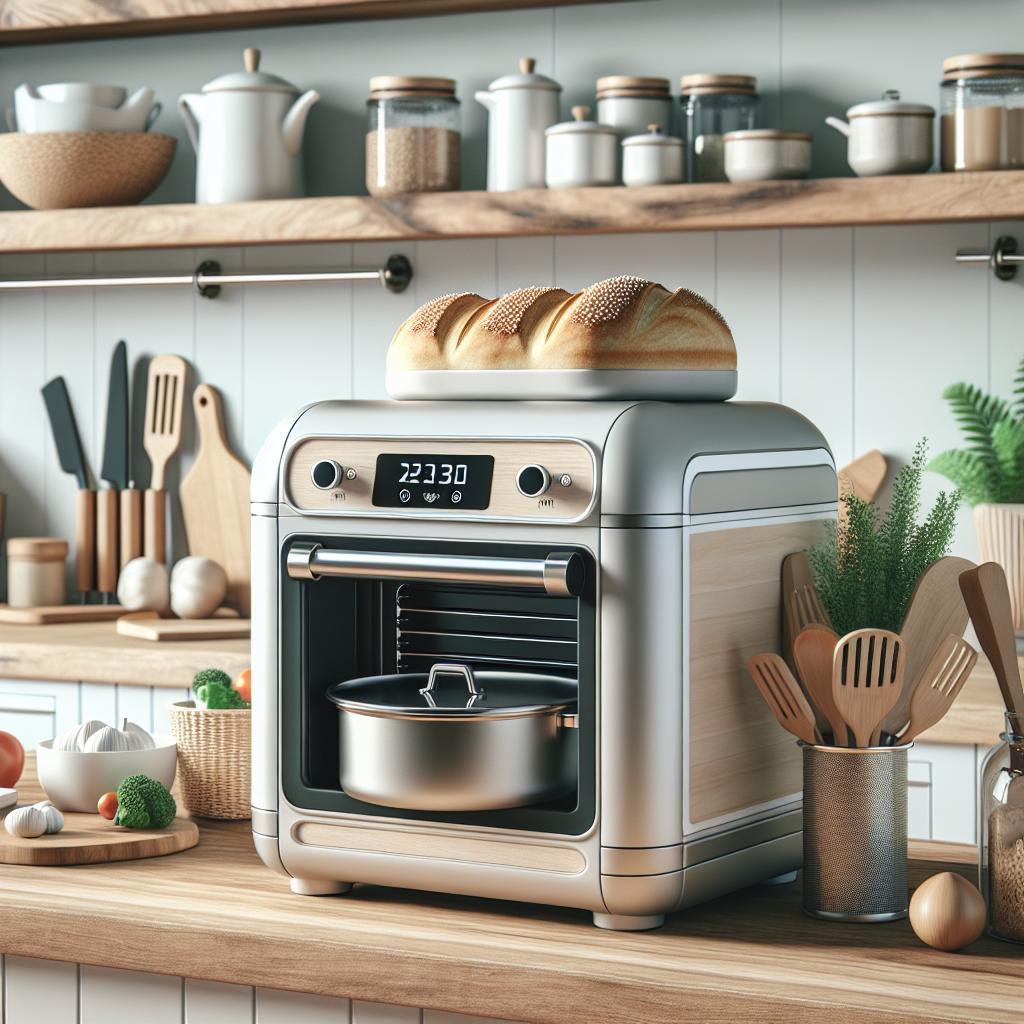
Non-Toxic Bread Maker: 5 Top Picks for Safe and Delicious Loaves
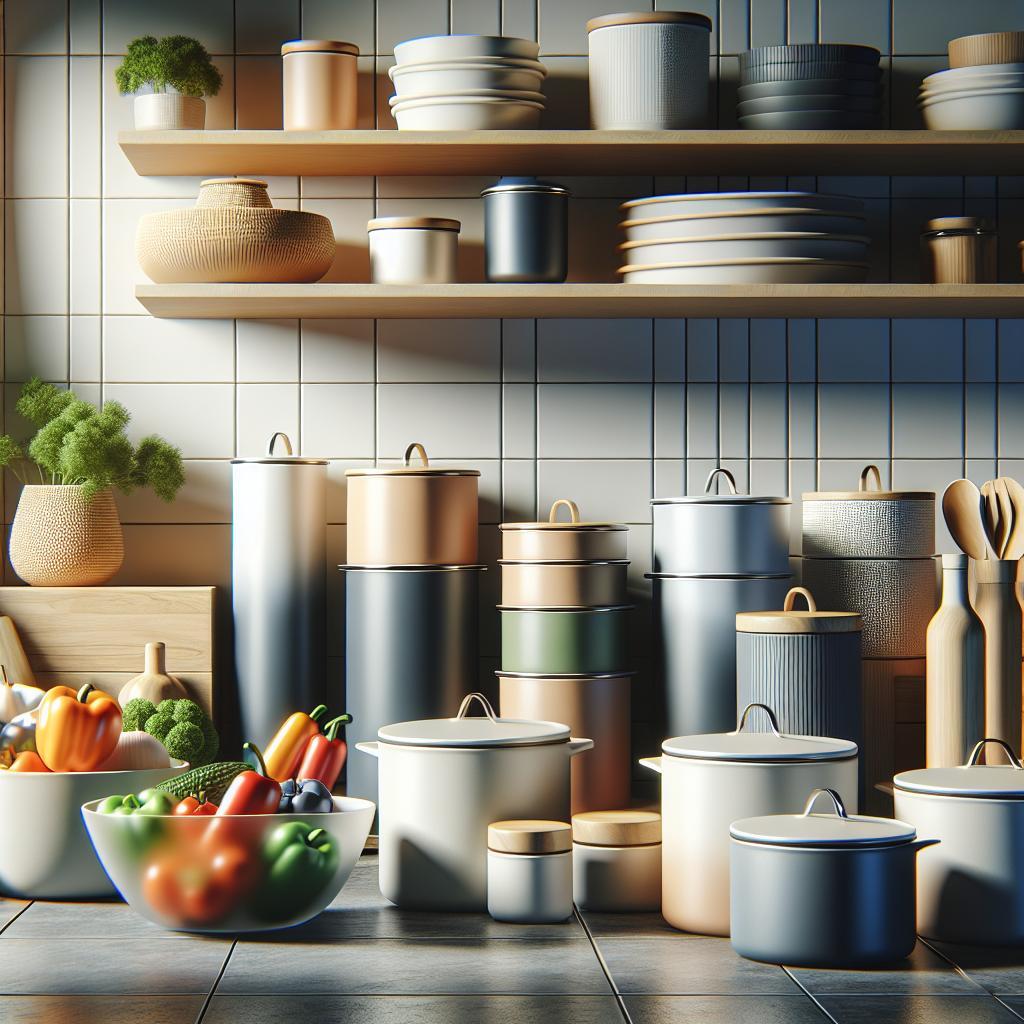
Non-Toxic Storage Containers: Keep Your Food Fresh and Safe
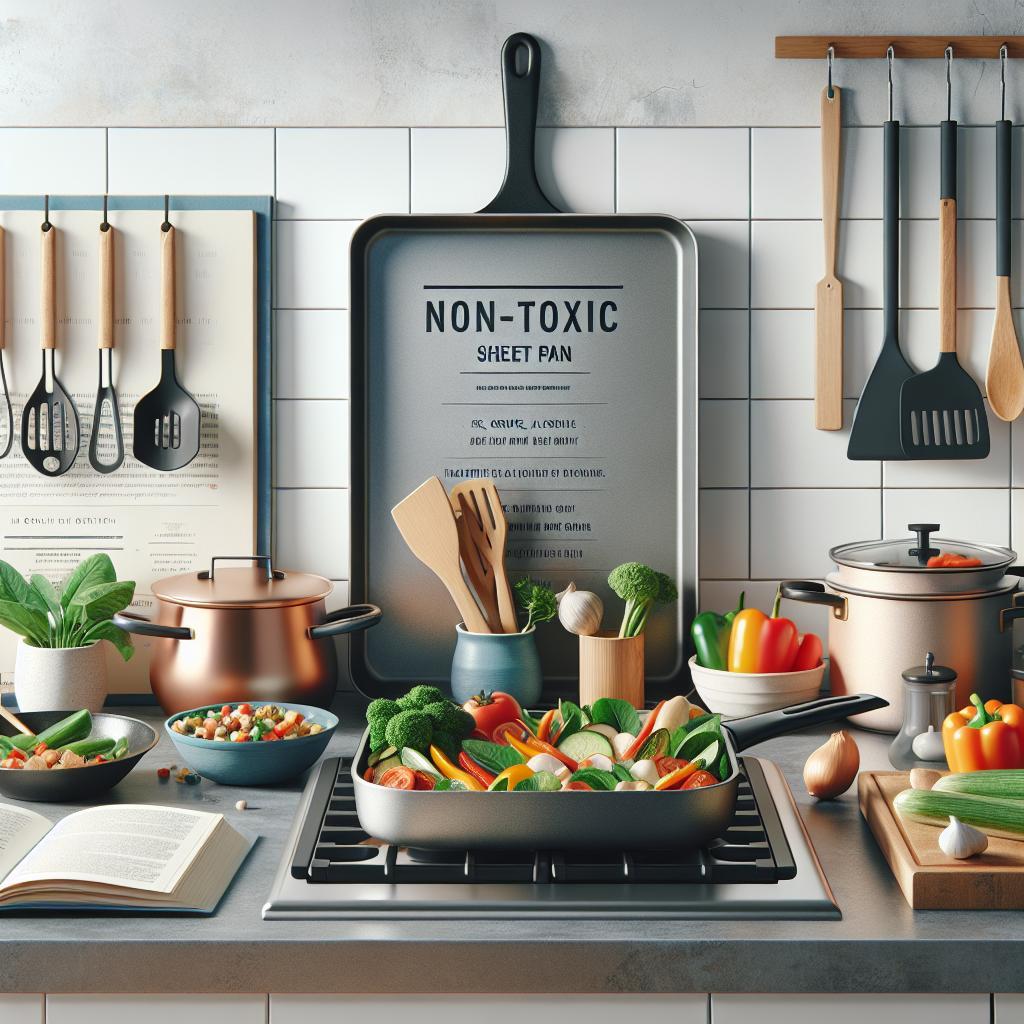
Non-Toxic Sheet Pan: Healthier Alternatives for Everyday Cooking
Non-Toxic Bread Machine: Healthier Options for Homemade Bread
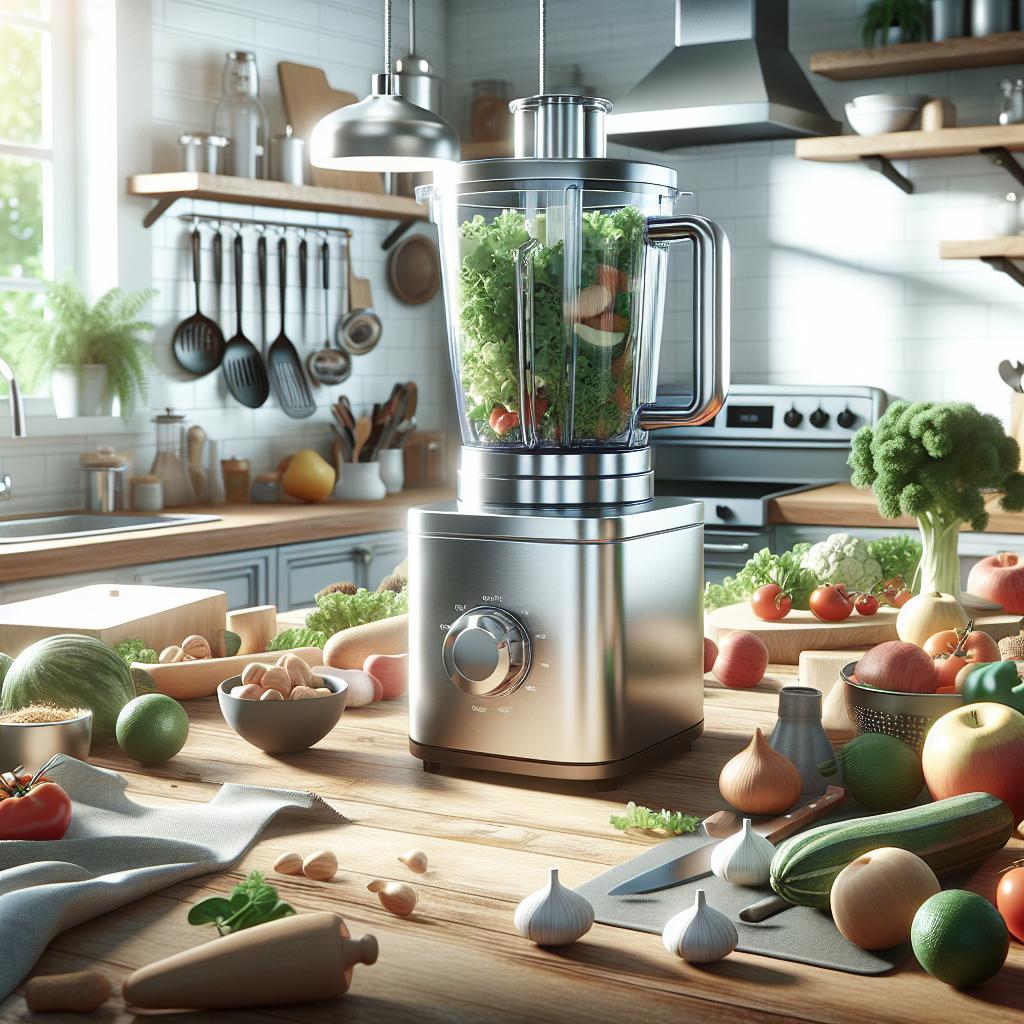
Non-Toxic Food Processor: Safe Options for Health-Conscious Cooks
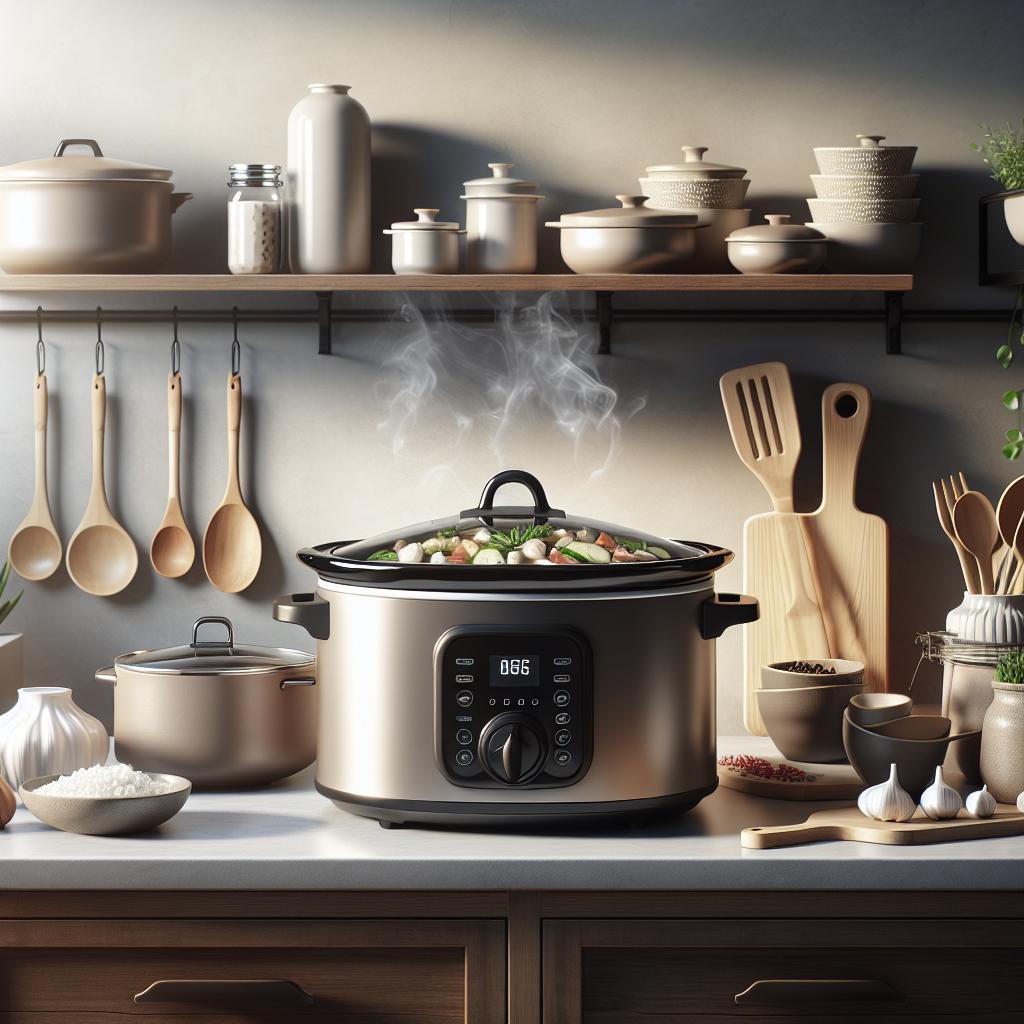
Non-Toxic Slow Cooker: Must-Know Tips for Safe Cooking
Non-Toxic Baking Paper: Safe Alternatives for Healthier Baking
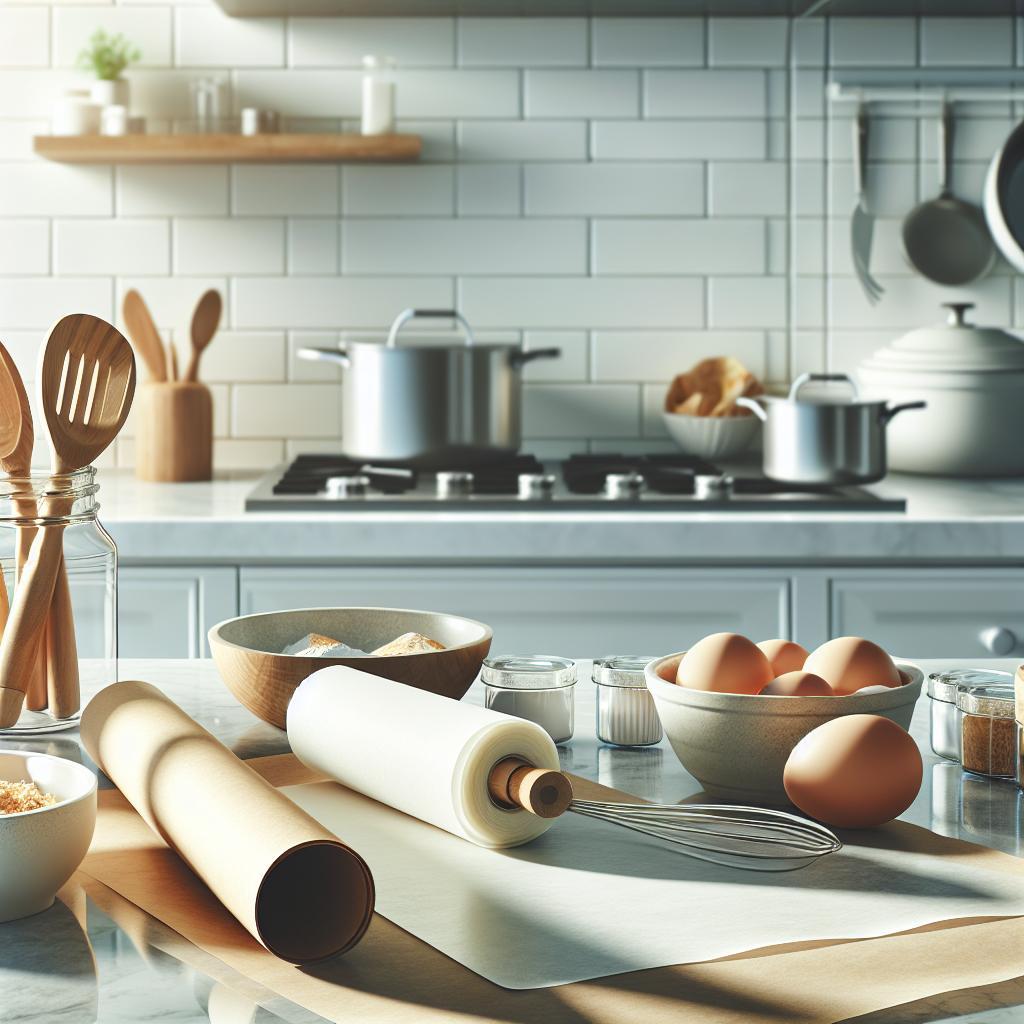
Non-Toxic Parchment Paper: Safer Baking Solutions for Your Kitchen
Step-by-Step Implementation & Protocol Matrix
The step-by-step implementation and protocol matrix below map actionable workflows, structural benchmarks, and execution stages.
| Implementation Guide | Actionable Protocol & Benchmarks | Workflow Stage |
|---|---|---|
| Non-Toxic Saucepans for Everyday Simmering | Tri-ply 18/10 stainless steel and glass-lid saucepans (1.5–4.0 qt) | Stovetop Basics |
| Non-Toxic Stainless & Ceramic Sheet Pans | Bare 18/0–304 stainless vs. coated aluminum warp tolerances up to 450 °F | Bakeware Selection |
| PFAS- and BPA-Free Food Storage Containers | Borosilicate glass and 304 steel bodies with food-grade silicone gaskets | Food Storage |
| Best Non-Toxic Slow Cookers & Crock Pots | Lead-free glazed stoneware vs. 304 stainless inserts during 8-hour simmers | Appliance Safety |
Applied Workflows & Execution Guides
Applied workflows and execution guides cover step-by-step preparation, structural refinement, and common error resolution.
Non-Toxic Countertop Appliances
- PFAS-Free Ceramic & Cast-Iron Waffle Makers — Replaces PTFE nonstick waffle plates with removable ceramic or seasoned cast-iron grids.
- Five Non-Toxic Stainless & Ceramic Bread Makers — Identifies baking pans and kneading paddles built without dark fluoropolymer coatings.
- PTFE-Free Bread Machine Pan Comparison — Evaluates stainless steel bucket heat conductivity and loaf crust uniformity at 375 °F.
- BPA-Free & Glass-Bowl Food Processors — Reviews glass work bowls and Tritan BPA/BPS-free polycarbonate alternatives.
Slow Cookers, Parchment Paper & Care
- Safe Slow Cooker Material & Glaze Checklist — Covers glaze cracking checks, stainless inserts, and low-temperature simmering tips.
- Unbleached TCF Baking Paper Guide — Distinguishes totally chlorine-free silicone baking sheets from PFAS-treated greaseproof papers.
- PFAS-Free Parchment Paper & Silicone Mats — Compares single-use unbleached parchment (up to 450 °F) against platinum-cured silicone mats.
- Non-Toxic Stainless Steel Cleaners & Polishes — Details baking soda, citric acid, and plant-based surfactants free of harsh petroleum distillates.
Additional Specialized Guides & Case Studies
- Non-Toxic Baking Sheets: Safe Materials for Your Kitchen
- Non-Toxic Bread Pan: How to Choose the Safest Option for Baking
- Best Non-Toxic Dishes: Safe Picks for a Toxic-Free Kitchen
- Best Non-Toxic Dinnerware: Healthier Options for Every Meal
- Non-Toxic Loaf Pan: Safe Baking for Perfectly Baked Bread
- Non-Toxic Air Fryer Toaster Oven: How to Choose the Safest Model
- Non-Toxic Tea Kettle: How to Brew Safely Without Harmful Toxins
- Best Non-Toxic Food Storage Containers: Safe Choices for Your Pantry
- Non-Toxic Plates: Top Picks for Health-Conscious Dining
- Best Non-Toxic Baking Pans: Healthier Options for Every Recipe
- Non-Toxic Springform Pan: Safe Baking for Perfect Cheesecakes
- Non-Toxic Strainer: A Must-Have Tool for Safe, Healthy Cooking
- Best Baking Sheets Non-Toxic: Top 5 for Safe and Healthy Baking
- Non-Toxic Toaster: 5 Safe Alternatives to Traditional Toasters
- Best Non-Toxic Blenders: Powerful, Safe Choices for Smooth Blends
- Best Non-Toxic Bakeware: Healthier Options for Safe Baking
- Non-Toxic Tupperware: Healthier Storage Solutions for Every Kitchen
- Non-Toxic Wood Cutting Board: Why It’s the Healthiest Choice
- Best Non-Toxic Immersion Blender: Healthier Blending Options for You
- Non-Toxic Waffle Makers: 5 Healthier Picks for Toxin-Free Waffles
- Non-Toxic Cookie Sheets: Safe Baking for Health-Conscious Chefs
- Non-Toxic Coffee Mugs: Avoid Harmful Chemicals in Every Sip
- Non-Toxic Crock Pot: How to Choose the Safest Slow Cooker
- Non-Toxic Dinnerware: Your Guide to Health-Safe Table Settings
- Non-Toxic Wok: A Healthier Option for Stir-Frying at Home
Practical Implementation Questions
Practical implementation questions clarify preparation requirements, execution intervals, and quality benchmarks.
What makes parchment paper PFAS-free and oven-safe?
Unbleached parchment paper treated with food-grade cured silicone oil achieves nonstick grease resistance up to 425 °F to 450 °F without fluorochemical PFAS coatings or chlorine bleaching. Total chlorine-free (TCF) cellulose fibers prevent dioxin byproducts during baking and roasting.
Which materials eliminate chemical migration in slow cookers and bread makers?
Uncoated 304 stainless steel bread pans and lead-free vitrified stoneware slow cooker inserts eliminate PTFE flaking during 4-to-8-hour heating cycles. Inspecting heating chambers confirms that removable paddles, bowls, and inner lids remain free of sprayed fluoropolymer nonstick coatings.
Why does borosilicate glass outperform plastic for hot food storage?
Borosilicate glass withstands thermal shocks up to 165 °C without warping, staining, or leaching bisphenols and phthalates into warm lipid-rich leftovers. Unlike polypropylene or polycarbonate tubs, non-porous glass resists acidic tomato oils and microwave heating cycles indefinitely.