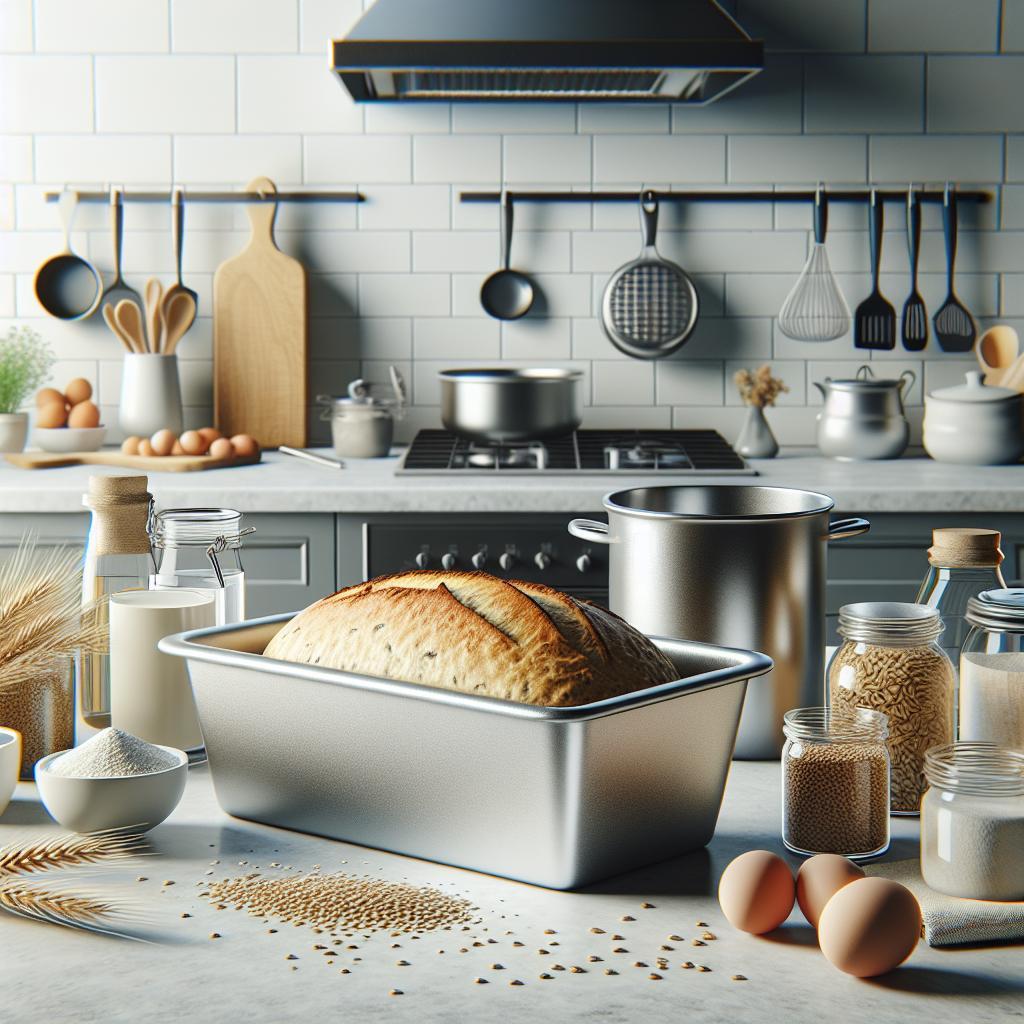

Are you tired of wondering what harmful chemicals might be leaching into your loaf of bread? With a non-toxic loaf pan, safe baking is not just a possibility—it’s a reality! As more people seek healthier alternatives in their cooking tools, the rise of safer baking options is transforming kitchens everywhere. In this article, we’ll delve into the advantages of using non-toxic loaf pans and how they can help you create perfectly baked bread without compromising your health or your culinary creations. Let’s explore the benefits of choosing materials that keep both your food and your family safe!
Understanding Non-Toxic Baking Materials
When we talk about non-toxic baking materials, it’s like diving into a treasure chest that promises not only perfectly baked bread but also a healthier kitchen environment. Imagine pulling out your prized loaf, warm and golden, knowing you didn’t unintentionally invite harmful chemicals into your home. It’s a pretty sweet deal, right? But the question is, what exactly makes baking materials non-toxic? Let’s break it down and unveil the magic.
Identifying Non-Toxic Materials
First off, the term “non-toxic” refers to materials that pose little to no harmful effects on human health. In the world of baking, this means steering clear of toxic chemical coatings and untreated metals that can leach into your food. You’ve probably heard of some common non-toxic materials that shine bright in the kitchen:
- Stainless Steel: Durable, easy to clean, and doesn’t interact with food. Your go-to knight in shining armor!
- Glass: Perfect for watching your bread rise without worrying about pesky chemicals—plus, it allows you to multitask and impress your guests with a nice presentation.
- Ceramic: Non-reactive and often beautifully designed, ceramic bakeware can feel like art in your kitchen—just be careful not to chip them while doing the tango around the kitchen!
- Silicone: Flexible and non-stick—perfect for those of us who sometimes forget to grease the pan (no judgment here!).
Choosing the right materials is like assembling a superhero team in your kitchen. Each contributes uniquely to your quest for non-toxic baking.
Understanding Common Toxic Materials
Now, let’s arm ourselves with some knowledge and steer clear of the bad guys. It’s easy to overlook common baking materials that can harbor harmful substances:
- Teflon (PTFE/PFOA): While convenient, these coatings can break down at high temperatures and release toxic fumes—definitely not something you want to inhale while baking bread!
- Aluminum: Although aluminum pans can cook evenly, there’s ongoing debate about aluminum’s potential health risks. Keep it out of your baking toolbox, just to be safe!
- Non-stick and treated surfaces: Often marketed as ultra-convenient, many of these can contain perfluorinated compounds (PFCs) linked to health issues. We’re aiming for wholesome, not hazardous bread, folks.
Think of avoiding these toxic materials like dodging fake news—it’s all about critical thinking and being informed! Who wants to churn out homemade bread that’s more of a health hazard than a delightful treat?
Making Smart Choices
Navigating the world of baking materials doesn’t have to feel like a treasure hunt through a haunted house; it can be quite enjoyable! Here are a few practical tips for ensuring your baking tools are non-toxic:
- Read Labels Carefully: Look for products labeled as free from toxic chemicals and other harmful substances.
- Do Your Research: Websites like the Environmental Working Group (EWG) can be great resources for checking the safety of various materials.
- Opt for Quality Over Price: Remember, investing in high-quality non-toxic pans can save you health headaches and cash in the long run. After all, that fancy artisanal bread you’re baking deserves a worthy bakeware companion.
- Regularly Check for Wear and Tear: Over time, even the best pans can age like fine wine—or start leaking questionable chemicals. Keep an eye on your bakeware’s condition, and don’t hesitate to replace if something doesn’t look right.
By making informed decisions about your baking tools, you’re not just creating delicious loaves of bread; you’re also fostering a safer and healthier kitchen. Consider yourself a superhero in the kitchen, fighting chemical villains one loaf at a time! Keep your eyes peeled for materials that serve your baking and your well-being; it’s a win-win situation!
Benefits of Choosing Non-Toxic Loaf Pans
Choosing a non-toxic loaf pan might seem like a small decision in your baking routine, but trust me, it can make a world of difference for both your health and the flavor of your beloved bread. Using materials free from harmful chemicals like PFOA, BPA, and lead means that every slice you enjoy is safe for you and your family. Imagine biting into a warm loaf of bread, knowing it was indeed baked in a vessel that didn’t contribute any questionable substances. Bonus points if you can smell the freshness wafting through your kitchen—it’s the culinary equivalent of a hug!
Health Benefits You Can Taste
One of the biggest perks of opting for non-toxic options is the peace of mind that comes with knowing you’re not inadvertently serving up any nasty chemicals. Prolonged exposure to toxins can lead to numerous health issues, from allergies to more severe long-term conditions. With a non-toxic loaf pan, you’re steering clear of those risks linked to traditional cookware. Plus, many non-toxic materials, like ceramic or high-quality silicone, promote even heat distribution. This leads to that golden-brown crust and moist interior that makes your bread irresistible.
Environmentally Friendly Choices
Going non-toxic often goes hand in hand with environmentally friendly practices. Many non-toxic baking pans are made from sustainable materials that are easier on the planet. Think of it this way: when you use a non-toxic loaf pan, you are not just making a healthier choice for yourself but also doing your part for Mother Earth. You can say goodbye to single-use plastics and shiny aluminum pans that end up in landfills faster than you can say “quick bread.” It’s a win-win for your kitchen and our planet!
Long-lasting Performance
Another aspect to consider is durability. Many non-toxic loaf pans are built to last, allowing you to enjoy years of baking without the worry of degradation or chemical leaching. Some materials, like glass or high-grade stainless steel, can handle higher temperatures than their toxic counterparts, ensuring a longer lifespan. Imagine pulling out a perfect loaf of sourdough from your reliable pan time and time again. It’s like having a trusty sidekick in your baking adventures, ready to make every kitchen escapade a success.
Multifunctional Magic
Let’s not forget about the versatility of non-toxic options! Many of these pans can take on more than just bread duties. Use your non-toxic loaf pan for baking everything from tantalizing meatloaves to delicious homemade granola bars. You’re getting more bang for your buck while creating healthy meals with no unwelcome surprises. Like a Swiss Army knife of cookware, these pans can help make your baking endeavors as diverse as your recipe book.
Therefore, when considering loaf pans, take a moment to reflect on what’s best for your health, the environment, and even your future baking endeavors. Investing in a non-toxic loaf pan isn’t just a smart choice; it’s your passport to delicious, safe, and guilt-free baking!
Top Features of Safe Baking Equipment
When it comes to baking bread, the last thing you want is your loaf pan leaching harmful substances into your culinary masterpiece. That’s where safe baking equipment swoops in like a culinary superhero. The right materials can make all the difference, not only in your finished product but also in your peace of mind while baking. Imagine a loaf pan that promises delicious crusty bread without the worry of toxins contaminating that beautiful slice! Sounds dreamy, right?
Material Matters
One of the fundamental features of non-toxic loaf pans is the materials they are made from. Let’s break it down.
- Ceramic and Cast Iron: These workhorses of the kitchen are naturally non-toxic and sturdy. They provide even heat distribution, ensuring your bread rises and browns beautifully. Plus, they don’t react with acidic foods—goodbye unwanted metallic tastes!
- Glass: A gem in the oven, glass loaf pans are non-reactive and can withstand high temperatures. They’re not just pretty to look at; they allow you to keep an eye on your bread as it bakes. No more guessing games!
- Silicone: Who knew baking equipment could be bendy? Silicone loaf pans are flexible and easy to clean. Just make sure they are labeled food-grade silicone to avoid any nasty surprises.
Easy Cleanup
After whipping up a batch of your signature garlic herb bread, the last thing you want to do is scrub a loaf pan that seems to have a grudge against you. Thankfully, many modern non-toxic pans come with features that make cleanup a breeze:
- Non-Stick Coating: Look for natural non-stick options made from materials like ceramic or silicone. They not only help your bread release easily but are also safer than traditional Teflon coatings that can break down and release harmful chemicals.
- Smooth Surfaces: The smoother the surface, the easier it is to clean. A good loaf pan should not hold onto residue like a stubborn guest who overstays their welcome!
Eco-Friendly and Sustainable Choices
In an era where our impact on the planet matters more than ever, the consideration of eco-friendliness has to come along for the ride in your baking journey. Some key points to ponder:
- Recyclable Materials: Many manufacturers are moving towards materials that can be recycled at the end of their life cycle. When buying, look for labels or certifications pertaining to environmental stewardship. Tree-huggers rejoice!
- Durability: Investing in a high-quality loaf pan means less waste. A good pan will withstand the test of time—think of it as a solid investment, like a good pair of jeans that never goes out of style.
- Ethical Manufacturing: Keep an eye out for brands that prioritize sustainable practices in their production processes. You can bake responsibly, one loaf at a time.
In the realm of baking, the right loaf pan isn’t just about achieving the perfect crust; it’s also about ensuring what you bake is free from harmful chemicals. Opt for safe and sustainable equipment that not only supports your culinary aspirations but also protects your health and the environment. Because let’s be honest, your bread deserves the best!
How Non-Toxic Pans Enhance Flavor
Baking enthusiasts often find themselves on a quest for the perfect pan, one that not only bakes beautifully but also upholds health standards. Enter non-toxic loaf pans! These gems are more than just eye candy; they enhance the flavor profile of your baked goods in a way you’d never expect. Imagine biting into a slice of luscious, homemade bread and tasting only what you’ve put in—no metallic aftertastes or pesky chemicals interfering with that dreamy, yeasty goodness.
The Chemistry of Cooking
Let’s break it down a bit. When you’re baking with traditional pans coated in questionable non-stick materials, like Teflon, you might get some unwanted flavors absorbed into your bread. These pans can release chemicals that meddle with the simple goodness from your ingredients. On the flip side, non-toxic pans made from materials like stainless steel or ceramic feature a surface that won’t leach harmful substances, allowing your bread to shine in all its glory. Think of it as putting on a fine suit before a big date: you want to look your best, right?
Material Matters
When it comes to materials, you have a few top contenders in the non-toxic baking realm. Here’s a quick rundown:
- Stainless Steel: Durable, non-reactive, and promotes even heat distribution—perfect for achieving that golden crust on your loaf.
- Cast Iron: Offers excellent heat retention and can add a subtle richness to your bread. Plus, it’s practically indestructible!
- Ceramic: Often available in vibrant colors, ceramic pans are a feast for the eyes and a fantastic option for even baking.
| Material | Flavor Impact | Maintenance | Durability |
|—————–|————————|———————|——————-|
| Stainless Steel | None | Easy to clean | Very durable |
| Cast Iron | Adds richness | Requires seasoning | Extremely durable |
| Ceramic | None | Can chip | Moderate durability |
While each material has its charm, my personal favorite is the trusty cast iron. It’s like an old friend who’s always ready to help out in the kitchen, enhancing not just flavors but also the overall baking experience.
Personal Touch in Flavor Enhancement
Let’s not forget that your ingredients play a pivotal role, too. Imagine using organic flour and fresh yeast in your non-toxic pan. The absence of unwanted chemical interference allows all the subtle notes—like a hint of sweetness from the honey you added or the earthiness of that whole grain flour—to come through beautifully. You truly get to experience the authentic flavor of your bread, allowing your signature recipes to shine like the stars at a backyard barbecue on a summer night.
And let’s not skip over the technical side. Baking temperatures and times can vary based on the type of pan you use. Non-toxic materials can affect how heat is retained and distributed. So, while you’re baking your next loaf, it’s worth keeping an eye on those delicate nuances. Happy baking! 🍞
Caring for Your Non-Toxic Loaf Pan
Keeping your non-toxic loaf pan in tip-top shape is a cakewalk—well, more like a breadwalk—if you follow a few simple guidelines. Don’t you just love when baking gear is both safe and easy to maintain? Your non-toxic loaf pan, typically free from harmful coatings and chemicals, deserves a little TLC to ensure it serves you well for many loaf-making adventures to come. After all, you wouldn’t want to jeopardize that perfect banana bread with a pan that’s looking worse for wear.
Washing Your Loaf Pan
When it comes to washing your non-toxic loaf pan, think of yourself as a gentle caregiver rather than a ruthless scrubber. Avoid abrasive sponges or steel wool, as they can scratch the surface and make it more susceptible to sticking. Teaming up with a non-toxic dish soap and a soft cloth or sponge is your golden ticket here. Just a splash of warm water, a squirt of soap, and some tender loving care will do the trick. Rinse and dry immediately to avoid rusting—if you can’t save a loaf, at least save your pan!
To make your life easier, here’s a quick checklist for cleaning:
- Use mild dish soap: Keep it gentle, folks!
- Opt for soft sponges: Sure, your favorite scrubby might look cool, but it’s the cuddly ones that get the job done.
- Avoid high heat: Don’t soak it in extreme temperatures unless you’re trying to resemble a loaf yourself.
Seasoning and Storing
Now, let’s talk about seasoning your pan. That’s right—you can give it a little oil treatment to enhance its non-stick capabilities! Just like pampering yourself at the spa, a thin layer of oil can help create a protective barrier. Apply it after washing and drying, and remember, less is more—too much oil and you’re back to oily loaf territory, which we all want to avoid.
For storage, keep your non-toxic loaf pan in a place where it’s not jostled around like a piñata at a birthday party. Stack it between dishes or use a pan protector to prevent scratches. Keep it dry and dust-free to maintain that fresh-out-of-the-box aesthetic. Who says you can’t have a little fun with your kitchen gear?
Handling Scratches and Dings
Occasionally, life happens. Maybe your cat thought your loaf pan was the perfect place to curl up, or perhaps you dropped it onto that unforgiving tile floor. Yikes! If you notice any scratches or dings, don’t panic. Minor scratches may only affect surface aesthetics and can typically be ignored as long as they don’t compromise the integrity of your pan. However, if you’ve got deeper scratches that can harbor bacteria, it might be time to reassess your pan’s future.
For those stubborn spots, a paste made of baking soda and water can work wonders. Just rub it gently, rinse, and voila—clean surface restored! Remember, a little bit of wear and tear is just a sign of many loaves baked with love (and maybe a little madness). The key is to maintain a balance between usage and care, so you can keep creating your artisanal masterpieces without a hitch!
With these tips tucked into your apron pocket, your non-toxic loaf pan will undoubtedly stand the test of time, producing not just loaves of bread but slices of happiness. Plus, you’ll be the proud owner of a pan that’s as environmentally friendly as it is effective! Now, go forth and conquer the world of baking, one loaf at a time! 🥖
Comparing Materials for Safe Baking
When it comes to finding the perfect loaf pan for your baking ventures, it’s a bit like dating – you have to sift through a lot of options before you find “The One.” Cooking and baking utensils shouldn’t just look good; they should also keep your food safe from unwanted toxins that can be more harmful than a poorly baked loaf! Let’s dive deep into the material pool and see what’s truly safe for that all-important bread-making ritual.
Aluminum vs. Steel: The Classic Showdown
Aluminum loaf pans can be your best friend in the kitchen, as they conduct heat like a champ. They’re lightweight and won’t break your back when you’re transferring your freshly baked bread from countertop to cooling rack. However, it’s essential to note that some aluminum pans are treated with non-stick coatings that may contain chemicals. If you’re going for aluminum, look for uncoated or anodized versions to keep things as clean as possible—think of them as the vegan option of bakeware!
On the flip side, steel loaf pans are known for their durability. They’re as resilient as your grandma’s old advice about never mixing flour with water before 5 PM (just kidding, grandma!). Generally, these pans are coated with a non-stick finish, but make sure that the coating is PTFE and PFOA-free. It’s like inviting a friendly neighbor over instead of a nosy one who might poke his nose into your business.
Silicone: Flexible and Fun!
Ah, silicone! It’s the modern marvel of baking materials. These pans are as flexible as a yoga instructor, allowing you to pop your bread out with the grace of a ninja. Plus, they’re often dishwasher safe! However, be cautious when buying cheaper brands; they might contain filler materials that detract from their non-toxic promises. A quick sniff test (yes, really!) can help determine if that new silicone pan has any funky odors when heated – consider it the baking equivalent of taking your date to dinner before committing!
While silicone pans are generally regarded as safe, remember that they may require a bit of adjusting to your baking times. They’re often a tad slower to heat up, so don’t be surprised if your bread emerges slightly later than expected. It’s like your best friend who takes forever to get ready but still manages to look fabulous—worth the wait, right?
Ceramic: The Elegant Artisan
Now, if you’re looking for something a little more stylish, ceramic loaf pans can double as kitchen art! They’re sturdy and excellent for even heat distribution, but weight can be a downside. You might need a workout plan just to lift them! For those health-conscious bakers, ceramic is fantastic because it doesn’t react with food, ensuring that no unintended flavors crash the party. However, choosing a high-quality ceramic pan is crucial as lower-quality ones might have lead glaze. Always check for labels like “lead-free” before splurging on that beautifully painted pan—ease of mind and aesthetic appeal rolled into one!
while each material has its pros and cons, your decision will boil down to personal preference and what you’re baking. A combination of materials might just serve you best, giving you the flexibility and safety necessary for a successful baking spree. So, whether you choose aluminum, steel, silicone, or ceramic, make sure they’re non-toxic, durable, and above all, ready to serve up that perfect loaf! Happy baking!
Essential Tips for Perfect Bread Baking
Baking the perfect loaf of bread is both an art and a science, and let’s be honest, it can feel a bit like a chemistry experiment gone wild. But fret not! With a few essential tips tucked in your apron pocket, you’ll be kneading like a pro in no time. Here’s what you need to whip up that perfect loaf while keeping it totally safe using your non-toxic loaf pan.
Choose Quality Ingredients
Ingredients are the foundation of your masterpiece. Opt for unbleached flour; it’s less processed and richer in taste. When shopping for yeast, make sure it’s fresh—think of it as the dancing partner in your bread-making tango. Expired yeast is like taking your partner to the dance floor only to find they’ve got two left feet!
Don’t forget your salt; it’s not just for flavor! Salt controls yeast activity and enhances dough development. Here’s a fun tip: use finely ground sea salt for a delicate taste. Always measure accurately; even a pinch too much can turn that fluffy loaf into a brick that could double as a doorstop!
Master the Kneading Technique
Kneading is where much of the magic happens. It’s like giving your dough a much-needed massage. Aim to knead it on a floured surface for about 8-10 minutes. Don’t be afraid to let those muscles work; if you feel like you’re auditioning for a fitness video, you’re doing it right!
A quick tip: if you have a super sticky dough (like that friend who just never leaves the party), sprinkle in a bit more flour gradually until you reach a smooth and elastic consistency. Remember that dough is like a relationship; it requires just the right amount of pressure to rise!
Let the Dough Rise & Proof Properly
The rising or proofing stage is crucial. Think of it as the dough’s beauty sleep—super important for developing flavor and texture. Keep your dough in a warm spot, away from drafts. Cover it with a damp cloth or plastic wrap to keep it cozy.
Here’s a pro tip: create a warm environment by placing your dough in a slightly warmed oven. Just turn it on for a minute or two, then switch it off and let the dough rise in there. You’re aiming for it to double in size, so be patient—it’s not a microwave meal!
Temperature Control is Key
Let’s chat about the baking temperature. Preheating your oven is like a warm-up before a big game—crucial! Most bread bakes well at around 375°F to 450°F. For a golden crust that’s crisp enough to cause envy among your neighbors, bake until it reaches an internal temperature of about 190°F to 200°F. You can invest in an instant-read thermometer; it’s worth every penny!
If you want to be extra fancy, consider throwing in a pan of hot water on the bottom rack of your oven. This creates steam, giving your bread that authentic artisanal crust!
baking bread doesn’t have to feel overwhelming or complex. With these essential tips, you’re well on your way to mastering the loaf. Just remember: every baking adventure has its quirks, so learn from your trials (and errors) and bake on!
Q&A
What materials are considered non-toxic for loaf pans, and why are they safer?
When it comes to selecting a non-toxic loaf pan, the materials you choose play a crucial role in ensuring safe baking. Common non-toxic options include ceramic, glass, and silicone. These materials are free from harmful chemicals like PFOA and PFOS, which are often found in traditional non-stick coatings. As a result, they do not leach toxic substances into food, providing a healthier baking experience.
Ceramic loaf pans are great insulators, promoting even baking without hotspots. They often come in vibrant colors and designs, making them not only functional but also aesthetically pleasing. Similarly, glass loaf pans allow you to monitor your bread as it bakes, ensuring you achieve the perfect golden crust. Lastly, silicone pans offer flexibility and ease of use. They are inherently non-stick, which minimizes the need for oils or sprays, thus further reducing the exposure to potentially harmful substances.
How do I properly care for and maintain my non-toxic loaf pans?
Maintaining your non-toxic loaf pans is crucial to prolonging their lifespan and ensuring they continue to perform well. Each material may require specific care techniques, so it’s essential to follow some general guidelines. For ceramic and glass pans, always allow them to cool down before washing to prevent thermal shock. Use mild detergents and non-abrasive sponges to avoid scratches. It is advisable to steer clear of putting them in the dishwasher if you want to preserve their quality over time.
Silicone loaf pans are generally dishwasher safe but can also be cleaned easily by hand. Avoid sharp utensils that might cut into the material. Another critical point is proper storage. Stack them carefully to avoid scratches or dents. Remember, these materials can vary in their heat resistance. Always check the manufacturer’s guidelines regarding temperature limits to avoid damaging your pans during baking.
Can non-toxic loaf pans provide the same baking results as traditional pans?
Absolutely! Non-toxic loaf pans can yield fantastic baking results, often comparable to traditional pans. For instance, ceramic pans excel in heat retention, creating a conducive environment for baking bread evenly. This feature helps prevent the dreaded doughy texture that sometimes results from uneven baking.
Additionally, glass loaf pans provide optimal visibility, allowing bakers to monitor the bread’s internal browning without opening the oven door, which can lead to fluctuating temperatures. Meanwhile, silicone pans are celebrated for their excellent non-stick properties, enabling loaves to pop out effortlessly without sticking. Many bakers report that their bread rises just as beautifully in non-toxic pans, providing the same delightful texture and crust you would expect from traditional baking tools.
What are the potential health benefits of using non-toxic loaf pans for baking?
Using non-toxic loaf pans comes with several health benefits. One of the most significant advantages is that they avoid harmful chemicals commonly found in traditional non-stick coatings. Chemicals like PFOA and other perfluorinated compounds are linked to various health issues, including hormonal disruptions and increased cancer risks. By opting for non-toxic materials, you ensure that your homemade bread is not only delicious but also free from these potential hazards.
Furthermore, non-toxic pans often encourage healthier cooking practices. For instance, since silicone retains heat well, you typically need less oil or butter for greasing compared to conventional pans. This can lead to lower-calorie bread options without sacrificing texture or flavor. Ultimately, this switch can contribute to a healthier lifestyle, especially for those who bake regularly and are concerned about the cumulative effects of toxins in their cooking and baking tools.
Are there specific brands or models of non-toxic loaf pans you would recommend?
Many reputable brands specialize in non-toxic bakeware that offers excellent quality and performance. Pyrex is well-known for its durable glass baking dishes. Their loaf pans are dishwasher-safe and can withstand extreme temperature fluctuations, making them a favorite among home bakers.
If you’re looking for ceramic options, Emile Henry produces high-quality ceramic bakeware that incorporates natural materials and is designed to enhance even heat distribution. Their ceramic loaf pans are not only safe but also stylish. For silicone, Silpat and Bakeware by USA Pan are excellent choices, offering flexible, non-toxic models. When purchasing, consider factors such as oven safety ratings, ease of cleaning, and overall customer reviews to find the pan that best fits your baking needs.
What are some tips for achieving perfectly baked bread using a non-toxic loaf pan?
Achieving perfectly baked bread is an art, and using a non-toxic loaf pan can certainly help streamline the process. Here are some tips to keep in mind. First, preheat your oven thoroughly before placing your loaf in. This is crucial as it helps the bread rise optimally during the initial phase of baking.
Moreover, consider adjusting your baking times based on the material of your pan. Non-toxic pans like glass tend to cook breads slightly faster, so keep an eye on your bake. Another tip involves using parchment paper in your pans, especially silicone ones—it not only makes for easier cleanup but can prevent sticking, which is invaluable for maintaining loaf integrity. let your bread cool in the pan for a while before transferring it to a wire rack. This will enhance moisture retention, contributing to a softer crust while simplifying the removal process.
The Conclusion
investing in a Non-Toxic Loaf Pan: Safe Baking for Perfectly Baked Bread isn’t just a trendy choice—it’s a smart move for your health and your taste buds. With the alarming increase in awareness about harmful chemicals often found in cookware, switching to a non-toxic option is a step toward safer baking.
As we’ve explored, materials like stainless steel or silicone can withstand high temperatures while keeping your bread free from unwanted contaminants. By baking with pans that prioritize your well-being, you’re not just making bread; you’re crafting safe, delicious, and hearty loaves that your loved ones can enjoy without a second thought.
So next time you reach for a loaf pan, think about the health benefits of non-toxic options. After all, life is too short to bake bread in harmful conditions—just imagine the taste of your freshly baked loaf being overshadowed by the worries of toxins. Friends don’t let friends bake with questionable pans!
Now, roll up your sleeves, grab your favorite non-toxic loaf pan, and embark on your next baking adventure. Your kitchen—and your taste buds—will thank you!
Get our latest guides, news, and insights highlighted in your Google Search & AI Overviews.