
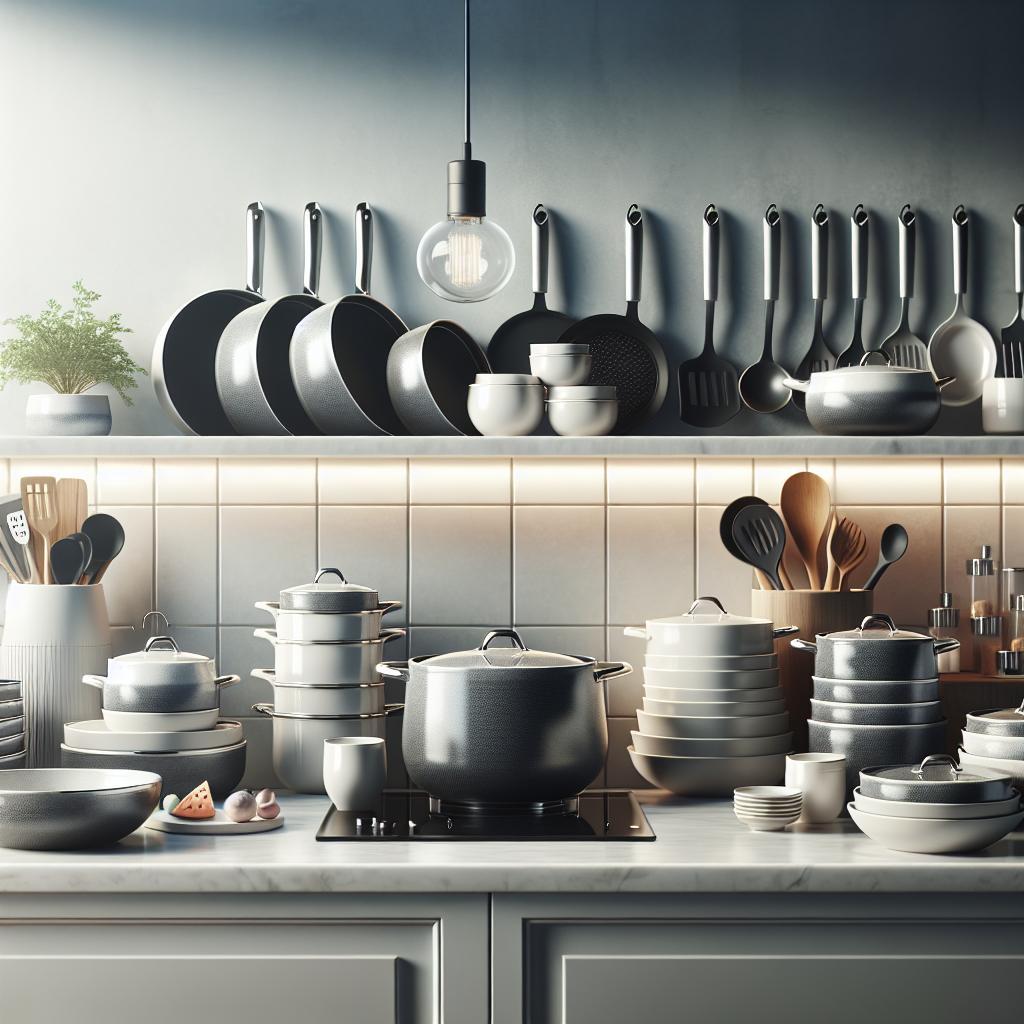

When it comes to creating delicious meals while prioritizing health, choosing the right cookware is essential. That’s why we’re diving into the best healthy ceramic-coated cookware: non-toxic alternatives that not only elevate your culinary experience but also safeguard your well-being. These innovative kitchen essentials promise to deliver outstanding performance without the worry of harmful chemicals leaching into your food. Join us as we explore the top options that combine safety, style, and superior cooking capabilities, making mealtime not just nourishing, but also enjoyable.
Essential Benefits of Ceramic Coated Cookware
Cookware has come a long way from the days of traditional cast iron and non-stick frying pans that stick to everything, and let’s face it—sometimes even your best effort can’t save a burnt pancake! Enter ceramic-coated cookware, a superstar in the kitchen with benefits aplenty. Think of it as the culinary equivalent of switching from your trusty bicycle to a flashy scooter that gets you places faster and with more flair. These beauties not only elevate your cooking game but also keep your health in check without compromising style.
Health and Safety First
One of the primary advantages of ceramic-coated cookware is that it’s often considered a non-toxic alternative to traditional non-stick options. Unlike the Teflon of yesteryears, which contained chemicals like PFOA and PTFE, ceramic coatings are typically free from these yucky substances. This means you can cook a lovely omelet without worrying about harmful chemicals leaching into your food.
Plus, ceramic surfaces don’t release toxic fumes even at high temperatures, making them safe for daily use. So, whether you’re whipping up a glorious breakfast or experimenting with a spicy stir-fry, you can feel good knowing that your cookware isn’t secretly plotting against your health.
Exceptional Heat Distribution
How frustrated do you feel when one side of your perfectly seared chicken is golden brown, while the other resembles something that’s likely best left unspoken? With ceramic-coated cookware, you’re less likely to have those tragic kitchen mishaps. The ceramic coating facilitates even heat distribution, allowing your food to cook uniformly. This means no more half-baked casseroles or burnt edges resembling a geographical map of the worst pizza ever!
Imagine tossing your veggies into a frying pan and seeing them sizzle with delight, all while maintaining that crispiness we all crave. The non-stick surface also means that you use less oil compared to traditional pans, cutting down on unnecessary calories—your waistline will thank you later!
A Breeze to Clean and Maintain
Let’s be honest, if you’re anything like me, the last thing you want after mastering a new recipe is to spend an eternity scrubbing away at crusty remnants in your cookware. Enter ceramic-coated pans, which are a delight to clean. They come with a non-stick surface that allows food to slide off effortlessly, just like a kid escaping from a timeout!
Most ceramic cookware is dishwasher safe, which means you can simply pop them in after a meal, grab a well-deserved snack, and let the machine do the dirty work—forgive the pun, it’s only fair! Just remember to use non-abrasive sponges and utensils to keep that beautiful surface in tip-top shape.
Durability Meets Versatility
Ceramic-coated cookware is not just a pretty face; it’s built to last! With proper care, these pans are typically more durable than their traditional non-stick counterparts. Just think of them as your reliable friend who never flakes out on you. Beyond durability, they are versatile enough to be used on various stovetops, including induction, and can often be used in the oven as well.
So, next time you’re thinking about trying your hand at that fancy lasagna recipe, go ahead! Your ceramic-coated pan is ready to savor every moment with you, making it a fantastic all-rounder. The combination of heat resistance, non-reactive surfaces, and scratch-resistant materials means you can get creative in the kitchen without worrying about damage or degradation.
Navigating the universe of cookware doesn’t have to be a daunting expedition. With ceramic-coated options, you can enjoy cooking while keeping your health in focus and your kitchen stylish. Who knew pan-frying could be such a triumphant adventure? Remember this, the right cookware can transform not only your meals but also your entire cooking experience!
Choosing Non-Toxic Cookware Safely
When it comes to cooking with peace of mind, selecting non-toxic cookware is like choosing a reliable partner for dinner parties—absolutely essential. Nobody wants to find out too late that the pan they just sautéed their veggies in might be leaching harmful chemicals into their food. Think of non-toxic cookware as that trustworthy friend who always looks out for you, but instead of a cup of tea, they deliver perfectly seared salmon without the guilt.
Understanding Material Safety
First, let’s dive into what you should be looking for. Non-stick surfaces can sound tempting, akin to a soft pillow after a long night, but many traditional coatings contain toxic substances such as PFOA and PTFE. These controversial chemicals, found in some non-stick pans, have been linked to potential health risks. Look for alternatives that are free from these hazards! Instead, opt for options that utilize ceramic or silicone coatings, which are much safer and won’t compromise your dinner.
Another point to consider is the base materials of your cookware. Stainless steel and cast iron are fantastic choices that provide durability and even heat distribution. However, if you’re leaning towards ceramic-coated variety, ensure that they avoid the use of heavy metals such as lead or cadmium. Unbeknownst to many, some beautifully designed cookware could have risky components hiding in plain sight. Choose products with clear labeling or certifications such as NSF International or FDA-approved to ensure you’re not inadvertently frying up a health hazard in your favorite skillet.
Prioritizing Durability
Then, there’s the durability factor. Imagine investing in a stunning ceramic-coated frying pan that chips the first time you accidentally drop it. Ouch—just a bummer! When selecting cookware, ask yourself: Is it scratch-resistant? Some brands might boast a pretty appearance but can wilt under the pressure of your metal spatula. Try to seek options that claim to be resistant to scratches and high temperatures.
Don’t forget to read reviews, too! It’s like checking the ratings of the latest blockbuster before heading to the theater. Users will often provide real-life experiences showing how well these pans perform under pressure—or how they turn into sticky messes with one too many scrubs. A good set of reviews can save you from a kitchen catastrophe or a regrettable night out with friends.
Practical Tips for Shopping Smart
When you step into that home goods store (or online shop, let’s be real) to nab your new cookware, keep a few practical tips in mind:
- Research Brands: Brands like GreenPan or T-fal often make non-toxic cookware with ceramic coatings.
- Check for Warranty: A good warranty can indicate high quality—your cookware should last longer than a week!
- Avoid Impulse Buys: Remember your budget; that flashy set on sale might not be the best choice after all.
By becoming an informed shopper, you not only protect your health but also empower yourself to make better choices when it comes to cookware. You want dishes that help you whip up a culinary masterpiece, not something that’ll have you rushing to the ER—a little exaggeration, perhaps, but you catch my drift! Don’t let the sparkling aesthetics blind you; instead, go for durability, safety, and those authentic non-toxic labels that make your conscience as clear as that beautiful ceramic pan in your kitchen.
Comparing Ceramic and Traditional Cookware
When it comes to choosing cookware, the showdown often pits ceramic against traditional materials like stainless steel and iron. You might feel torn—on one hand, you have the sleek, colorful charm of ceramic-coated pans, and on the other, the enduring, reliable solidness of their traditional counterparts. It’s like deciding between a trendy artisan café and your favorite diner; both have their merits but cater to different vibes. Here’s how they stack up against each other.
Durability and Longevity
Traditional cookware, particularly stainless steel and cast iron, is like that old friend who stubbornly refuses to break down. They’re durable, resistant to scratches, and can last a lifetime with proper care. Cast iron, in particular, can even develop a natural non-stick surface over time if seasoned correctly—like a fine wine growing better with age. On the flip side, ceramic-coated cookware often struggles against metal utensils and high heat. You might find yourself dealing with chips or scratches if you’re not careful. Just imagine using a shiny new ceramic pan and realizing it’s more sensitive than your laptop after a coffee spill!
Cooking Performance
The way ceramic cookware heats is typically more even than traditional materials. This means no more unlucky scorched areas on your pancakes if you’ve set the temperature just right. Plus, ceramic coatings are usually non-stick, requiring less oil for cooking, which can encourage healthier meals! However, traditional cookware, especially heavy-bottomed pans, excels when it comes to heat retention, making them ideal for searing meats or achieving that perfect crust on your favorite dish. Think of it this way: ceramic is great for the gentle simmer, while cast iron is more of a culinary heavyweight ready for a boxing match!
Health and Safety
A popular reason for moving towards ceramic-coated cookware is the prevailing myth about the toxicity of traditional options. Many ceramic pans are marketed as non-toxic, providing you with peace of mind while you sauté your kale. Traditional cookware varies; for example, Teflon-coated non-stick pans can emit toxic fumes if overheated, while ceramic doesn’t have that concern. But remember, not all ceramics are created equal. There’s still a learning curve. It’s essential to check for high-quality brands that guarantee a safe cooking experience, because, let’s be honest—nobody wants mystery chemicals seasoning their spaghetti.
Maintenance and Cleaning
Cleaning your pots and pans often feels like a culinary version of “who can survive the longest in the wilderness?” Traditional cookware can be a hassle if you’re not into strenuous scrubbing. But once you’ve got those cast iron skillets seasoned, they’re surprisingly low-maintenance. Just a quick wipe or rinse and you’re good to go! Ceramic cookware, although usually dishwasher-safe, requires handling with care to maintain that non-stick coating—think of it like trying to be gentle with a newborn baby. So, choose your warrior wisely based on how much effort you’re prepared to invest in your kitchen battles.
In digging deeper into the world of cookware, it becomes clear that ceramic and traditional options each offer unique advantages and potential pitfalls. Remember, your kitchen isn’t just about cooking; it’s also about the stories created while prepping meals—so pick the cookware that resonates with your lifestyle and culinary dreams!
Top Brands for Healthy Cooking
By now, you might be wondering which brands have really nailed the art of healthy cooking with their ceramic-coated cookware. The short answer? There are some real gems out there! When you’re navigating the sea of options, you want not just durability and versatility but also that sweet promise of non-toxic cooking. After all, the last thing you want is to be sautéing those delicious veggies only to find out your cookware is more hazardous than your high school science experiment. Let’s dish out the details on some top brands making waves in the ceramic-coated cookware arena.
GreenPan
First off, let’s chat about GreenPan. This brand is practically the pioneer when it comes to ceramic non-stick surfaces. If you’re going for healthy cooking, think of them as the friendly neighborhood superhero of your kitchen. Their cookware uses a special non-toxic coating free of PFAS, PFOA, lead, and cadmium. Honestly, it’s like cooking on a cloud, minus the risk of hazardous materials raining down on your dinner. Plus, they have a variety of styles — from sleek frying pans to chic cookware sets that would even impress the foodies on your social media feed.
Scanpan
Next up is Scanpan, a brand that shouts quality from the rooftops. Originating from Denmark, their ceramic-coated cookware is crafted with precision and cares about the environment. The non-stick surface is tough enough to withstand metal utensils, so you don’t have to fret whenever your best friend decides to stir the pot (literally) with that metal spatula. To sweeten the deal, their products are dishwasher safe, because, let’s be real, who actually enjoys doing dishes? With Scanpan, you’re not just buying cookware; you’re investing in a lifetime friendship with your kitchen gadgets.
Cuisinart
Cuisinart is another heavyweight champion on the block. Known for their kitchen appliances, their ceramic cookware line also gets a thumbs up for being easy to clean and featuring non-toxic materials. If you’re anything like me, cleanliness is next to, well, culinary greatness. Their range not only looks stylish but also caters to those who want to whip up hearty meals without the guilt of chemicals leaching into their food. The best part? You can find this stuff in almost every store, so you don’t have to trek across town or scroll aimlessly online.
| Brand | Special Features | Durability |
|---|---|---|
| GreenPan | PFAS-free ceramic coating | High (lifespan of 5+ years) |
| Scanpan | Metal utensil safe | Medium-High (lifespan of 10+ years) |
| Cuisinart | Dishwasher safe | Medium (lifespan of 3-5 years) |
Ultimately, when choosing a brand, it’s essential to weigh factors like sustainability, durability, and how well they fit your cooking style. Who says you can’t have fun while doing it? When it comes to healthy cooking, remember: it’s not just about what you’re cooking with, but how your choices impact your health and the planet. So grab those skillets, toss in some veggies, and let’s get cooking like the culinary ninjas we are!
Care and Maintenance of Ceramic Cookware
Keeping your ceramic cookware in tip-top shape is like giving your favorite sweater a little TLC—you want it to last and look great! Ceramic-coated cookware, while celebrated for being a healthier, non-toxic option, does require some thoughtful care and maintenance to keep it performing like the champion it is. You wouldn’t throw your hand-knitted scarf in the dryer, right? The same principle applies here!
Cleaning Tips That Won’t Drive You Crazy
First and foremost, let’s talk cleaning. The beauty of ceramic cookware lies in its non-stick surface, which means you won’t need a scrubbing arm workout just to get dinner off the pan. Here’s how to keep it pristine without losing your cool:
- Hand Wash Only: While some brands might say they’re dishwasher safe, hand washing is the real MVP. Just warm soapy water and a soft sponge do the trick without risking scratches.
- Avoid Abrasives: Say goodbye to steel wool and harsh scouring pads—they’re like throwing a party for bacteria (yikes!). Stick to gentle cleaners.
- Soak When Needed: If food does get stuck (because let’s be honest, it happens), let it soak in soapy water for a bit. It’s like giving your cookware a mini spa day!
Finding the right cleaning solution is like finding the perfect pizza topping—it can be tricky! If you’re unsure about which soap to use, stick to mild dish soaps free from harsh chemicals. Your cookware will thank you.
Storage Solutions to Preserve Longevity
Now, let’s chat about how to store your ceramic goodies. Proper storage can extend their lifespan and keep them looking sharp and shiny. Here are some friendly reminders:
- Keep the Crowding Down: Give your pots and pans enough space; they need room to breathe! Stacking should involve protective linens or paper between pieces to prevent scratches.
- Avoid High Heat: While ceramic cookware is designed to stand up to heat, avoid using it on high heat settings. Medium heat is your best friend—it helps you avoid warping (think of it as avoiding a bad hair day).
- Use Wooden or Silicone Utensils: Metal utensils can be like a bull in a china shop! Use wooden or silicone tools to keep that ceramic surface looking like new.
Just imagine finding your beloved saucepan looking all dinged up and sad because it was squished between two other heavy pans. Heartbreaking, right? Treat your cookware like the fine china it is (even if it’s really a fancy frying pan).
The Real Deal About Longevity and Care
Even the best ceramic cookware can’t escape the grips of time, but with proper care, you can stretch its life longer than your favorite pair of jeans. Over time, the ceramic coating may begin to wear down, so keep an eye out for any chipping or discoloration—it’s like a subtle cry for help!
There’s also ongoing research about the best methods for maintaining ceramic cookware. While it’s generally safe, some brands may have specific recommendations, so always check the manufacturer’s guidelines. This way, you’re not just guessing and hoping for the best—you’re being proactive. Additionally, be open to the occasional “oops” moment. Perhaps you tried to bake a masterpiece and it turned into a disaster—no worries! That happens to the best of us. Just remember: a little love goes a long way in both the kitchen and with your cookware.
keeping your ceramic cookware well-cared-for is much like maintaining a friendship—it takes effort but pays off big time! With the right practices, you’ll ensure that both you and your cookware stay happy and healthy for many delicious meals ahead.
Understanding the Risks of Toxic Cookware
When you’re whipping up your signature dish, the last thing you want is to wonder if you’re inadvertently serving up a side of toxic chemicals. The cookware market is saturated with options, making it tough to know what’s safe and what might come with a nasty surprise. Many traditional non-stick pans boast impressive food release and easy cleanup but can potentially leak hazardous substances into your meals. It’s akin to inviting an untrustworthy friend to your dinner party—can you ever really relax? Let’s just dig into what makes certain cookware potentially harmful.
What’s Cooking Under Quality Control?
You might assume that because something is labeled “non-stick,” it’s safe, but not all non-stick surfaces are created equal. The most notorious culprits in the cookware world are those coated with PTFE (polytetrafluoroethylene) and PFOA (perfluorooctanoic acid). These substances can break down when heated to high temperatures, releasing toxic fumes and a host of chemicals that could be detrimental to both your health and your pets. Yeah, your furry friend might just be judging your cooking prowess anew if they catch a whiff of that!
The U.S. Environmental Protection Agency has been stepping up the grilling over these toxic substances. Many manufacturers have started phasing out PFOA, but some products still may have lingering traces. When selecting your pans, think of it like a dating profile—do your research and look for those who tout transparency and clean backgrounds. Opt for brands that are proudly PFOA-free and provide clear information on their manufacturing practices.
Toxic Tales from the Kitchen
Imagine this: You’ve just finished a long workday, and you’re ready to whip up some quick but scrumptious stir-fry in your trusty non-stick pan. Things are sizzling, and then—you smell something foul! It’s not dinner burning; it’s the toxic fumes escaping from the cookware. Stories like this make it clear: some cookware can create more than just culinary chaos.
A 2019 study published in the journal Environmental Health Perspectives highlighted that exposure to chemicals from non-stick cookware could lead to various health issues, such as hormonal imbalances and increased risk of chronic diseases. Not exactly the best way to play “chef de cuisine” in your home kitchen.
So, how can you discern the good from the bad? Here are some tips to keep your meals delicious and your health intact:
- Check Labels: Look for labels that indicate your cookware is PFOA and PTFE-free.
- Research Brands: Read reviews and check out forums for user experiences—sometimes a quick scroll could save you from a kitchen catastrophe.
- Opt for Alternatives: Consider ceramic-coated cookware, cast iron, or stainless steel. They might take a little extra care, but your health will thank you in the long run.
By paying attention to what you cook with, you can transform your kitchen into a haven of health and deliciousness. While the research is ongoing and guidelines may evolve, being a savvy shopper allows you to stay a step ahead. After all, who wouldn’t want to enjoy their meals without a side of worry? And remember, when it comes to selecting cookware, think of yourself as the ultimate food detective—you want to investigate every option before handing over your hard-earned cash!
Delicious Recipes for Healthy Cooking
Savvy cooks know that the right cookware can make all the difference in achieving delicious meals, especially when aiming for healthier options. Ceramic-coated cookware has become a go-to solution, fulfilling our cravings for non-toxic alternatives without compromising on flavor. Let’s dive into some mouth-watering recipes that will not only tantalize your taste buds but also stay true to your healthy cooking aspirations.
Sizzling Zucchini and Quinoa Stir-Fry
One of the easiest and most colorful ways to embrace healthy cooking is with a vibrant stir-fry. This dish is perfect for those busy weeknights when you want to whip something up quickly but still eat healthily.
Ingredients:
- 1 cup quinoa, rinsed
- 2 cups vegetable broth
- 2 medium zucchinis, chopped
- 1 bell pepper, diced
- 1 cup cherry tomatoes, halved
- 2 tablespoons olive oil
- Salt and pepper to taste
- Fresh basil for garnish
Instructions:
- In your trusty ceramic-coated sauté pan, heat olive oil over medium heat.
- Add diced bell pepper and sauté for about 3 minutes until softened.
- Toss in the zucchini and cherry tomatoes, continuing to cook for another 5 minutes.
- In a separate pot, boil vegetable broth and cook quinoa according to package instructions.
- Combine everything, season with salt and pepper, and garnish with fresh basil.
This stir-fry dances with color and nutrients, and it’s as versatile as a superhero in a spandex suit—use whatever veggies are on sale or hanging around in your fridge!
Herb-Crusted Salmon with Green Beans
Salmon is a superstar in the world of healthy cooking, packed with omega-3 fatty acids that are great for the heart. This recipe gives it a crispy herb crust that tastes more like a treat than a health food.
Ingredients:
- 2 salmon fillets
- 1 cup breadcrumbs (whole grain preferred)
- 2 tablespoons Dijon mustard
- 1 tablespoon fresh dill, chopped
- 1 pound green beans, trimmed
- 2 tablespoons lemon juice
- Olive oil
Instructions:
- Preheat your oven to 425°F (220°C). Line a baking sheet with parchment.
- In a bowl, mix breadcrumbs with dill and olive oil to form a crumbly topping.
- Spread Dijon mustard over the salmon fillets and press the breadcrumb mixture on top.
- Place the salmon on the parchment-lined sheet and arrange the green beans around it. Drizzle the beans with lemon juice and olive oil.
- Bake for about 15-20 minutes until the salmon is flaky and the beans are tender.
Every bite transports you to a seaside bistro, and the specialized ceramic coating of your pan makes cleaning a breeze!
Spicy Chickpea Tacos
Who knew that chickpeas could be this adventurous? These spicy tacos are a delightful twist, bringing bold flavors without adding excess calories.
Ingredients:
- 1 can chickpeas, rinsed and drained
- 1 teaspoon smoked paprika
- 1 teaspoon cumin
- ½ teaspoon cayenne pepper
- Corn tortillas
- 1 avocado, sliced
- Lime wedges for serving
- Fresh cilantro (optional)
Instructions:
- Heat a splash of olive oil in your ceramic skillet over medium heat, tossing in the chickpeas and spices.
- Sauté for about 8-10 minutes until they get crispy and fragrant.
- Warm the corn tortillas in another skillet, then assemble your tacos by adding chickpeas, avocado slices, and a squeeze of lime.
- Top with fresh cilantro if you’re feeling fancy!
These tacos are ideal for taco Tuesday or any day you want to inject a little fun (and fiber) into your meal!
Table of Tips for Healthy Cooking with Ceramic Cookware
| Cooking Tip | Benefit |
|---|---|
| Use moderate heat | Prevents damage to the ceramic coating |
| Avoid metal utensils | Preserves the longevity of your cookware |
| Cleans easily with soap and water | Ensures food doesn’t stick and keeps it toxin-free |
| Experiment with flavors | Keeps meals exciting and encourages healthy eating |
With these recipes and tips, you can continue your journey of healthy cooking with ceramic-coated cookware—flavor-packed meals await! Remember, health doesn’t have to be boring; it can be spiced up just like your favorite salsa!
Q&A
What is ceramic coated cookware, and how does it differ from traditional options?
Ceramic coated cookware is designed to offer non-stick properties without the use of chemicals often found in traditional non-stick options, such as Teflon. The primary difference lies in the material used for the non-stick surface. While traditional non-stick cookware is usually coated with polytetrafluoroethylene (PTFE) or perfluorooctanoic acid (PFOA), ceramic-coated cookware utilizes a silicone-based coating. This innovative approach reduces the risk of toxic substances leaching into food, making it a popular choice for health-conscious consumers.
Moreover, ceramic coatings are typically derived from silica and can reach high temperatures without degrading. Cookware made with ceramic coatings not only provides an eco-friendly alternative but also offers excellent durability. Many brands emphasize that their ceramic coatings are free from heavy metals and harmful chemicals, making them a safer choice for cooking. However, it’s essential to note that not all ceramic coatings are created equal. Quality can drastically vary among manufacturers, and some ceramic coatings may lose their non-stick properties over time or require specific care to maintain their performance.
Are ceramic coated cookware options really non-toxic?
Generally, yes, high-quality ceramic coated cookware is deemed non-toxic, especially when compared to traditional non-stick cookware options. The key to their safety lies in the absence of PTFE and PFOA, substances often criticized for their potential health risks. For instance, studies have indicated that PTFE can release harmful fumes when overheated, which can be hazardous both to humans and pets. In contrast, ceramic coatings are made from inorganic materials, which significantly reduces the risk of harmful emissions during cooking.
However, it’s crucial to choose reputable brands that perform rigorous testing on their ceramic cookware to ensure it meets safety standards. Look for certifications like NSF International or similar regulatory approvals when selecting cookware. For example, brands like GreenPan and Xtrema are well-regarded for their commitment to producing high-quality, non-toxic cookware. Additionally, consumer reviews and independently conducted tests can provide insights into a product’s safety and long-term performance. As a best practice, always inspect cookware for any signs of degradation or flaking over time.
How do you care for ceramic coated cookware to prolong its lifespan?
Caring for ceramic coated cookware involves a few simple yet effective practices to maintain its non-stick properties and overall integrity. Firstly, it is essential to avoid using metal utensils, which can scratch the ceramic surface and lead to chipping over time. Instead, opt for silicone, wood, or plastic utensils that are gentle on the coating. This practice can help preserve the smooth non-stick surface and ensure even cooking.
Cleaning is another crucial aspect of maintaining ceramic cookware. While many brands claim that their ceramic coatings are dishwasher safe, hand washing is often recommended to extend their lifespan. Use a soft sponge and mild dish soap to clean the cookware, taking care not to use abrasive materials, which could compromise the coating. Additionally, always allow the cookware to cool before washing to prevent thermal shock, which can warp the material. By following these care instructions, you can significantly enhance the durability of your ceramic cookware and enjoy safe, non-toxic meals for years to come.
What are the advantages of using ceramic coated cookware over stainless steel or cast iron?
Ceramic coated cookware offers several advantages over traditional materials like stainless steel and cast iron. One of the most significant benefits is its superior non-stick properties, which allow for cooking with less oil or fat, making it an excellent option for those aiming to prepare healthier meals. This non-stick feature means that food does not easily adhere to the surface, reducing the risk of burning and sticking, which is a common issue with stainless steel.
In terms of handling, ceramic coated cookware tends to be lighter than cast iron, making it easier for daily use. Additionally, ceramic coatings do not react with acidic foods, unlike some metal cookware that may alter the flavors or colors of certain dishes. For example, cooking tomatoes or citrus-based sauces in stainless steel can sometimes impart a metallic taste. Moreover, ceramic coated cookware is often available in various colors and designs, allowing for a more personalized and aesthetically pleasing kitchen environment.
Are there any health concerns associated with ceramic cookware?
While high-quality ceramic coated cookware is generally considered safe, it’s essential to be aware of a few health concerns that can arise, particularly with lower-grade products. Lower-tier ceramic coatings may contain harmful fillers or be less durable, leading to chipping or flaking over time. If you do purchase lower-cost options, it’s wise to assess the brand’s reputation and any available safety certifications, as these can offer additional assurance regarding the cookware’s materials.
Another consideration is the cooking temperature. While ceramic cookware can generally withstand high temperatures, it’s still important to avoid overheating. Prolonged exposure to extreme heat can lead to the degradation of the coating, potentially releasing harmful particles. As a best practice, avoid cooking at temperatures above 450°F (232°C), and always preheat your pans gently. By being mindful of these factors, you can enjoy the benefits of ceramic coated cookware while minimizing any associated health risks.
Which brands are recommended for healthy ceramic coated cookware?
Several brands stand out in the realm of healthy ceramic coated cookware, known for their commitment to quality and safety. GreenPan is one of the pioneers in ceramic non-stick cookware, offering a range of products made without toxic chemicals. Their Thermolon ceramic non-stick coating is sourced from sand and is free from PFOA, PFAS, and heavy metals, making it a solid option for health-conscious cooks.
Another reliable brand is Bialetti, which combines functionality with style. Their ceramic cookware features a non-stick surface that is easy to clean and is compatible with a variety of cooking surfaces. Furthermore, Caraway is gaining attention for modern, aesthetically pleasing cookware that emphasizes healthy cooking. Their ceramic-coated pans are engineered for even heat distribution and come in brave colors, catering to both health and design-conscious consumers.
Lastly, Xtrema offers a different approach with 100% ceramic cookware, which is not only free from toxic metals but also safe for cooking at high temperatures. What all these brands have in common is a focus on creating cookware that allows for healthier meals without compromising on performance. When choosing ceramic cookware, always consider options that emphasize transparency in their materials and production processes.
To Conclude
our journey through the “Best Healthy Ceramic Coated Cookware: Non-Toxic Alternatives” has hopefully illuminated the benefits of choosing safer, environmentally friendly options for your kitchen. By opting for ceramic-coated cookware, you’re not just making a healthier choice for yourself; you’re also championing a sustainable lifestyle that values non-toxic materials.
We explored various brands and models, highlighting their impressive heat retention, easy cleanup, and, importantly, their free-from harmful chemicals nature. Remember, investing in quality cookware is not just a culinary upgrade—it’s a pledge to your health and well-being.
So whether you’re whipping up a quick stir-fry or a gourmet meal, let your cooking arsenal reflect your commitment to health. After all, life is too short for soggy meals and toxic cookware! Choose wisely, live well, and keep those culinary adventures rolling. Happy cooking!
Get our latest guides, news, and insights highlighted in your Google Search & AI Overviews.


