What Dinnerware Is Lead and Cadmium Free? Top Safe Brands

What Dinnerware Is Lead and Cadmium Free? Top Safe Brands

Wondering, "What dinnerware is lead and cadmium free? Top safe brands" you ask? You're in the right place! With so many options available, choosing safe dinnerware shouldn't feel like a game of culinary roulette. Let's dish out the facts on brands that let you dine without worrying about toxic surprises. Your dinner table deserves only the safest—keep reading!
Best Healthy Stainless Steel Cookware for Safe, Non-Toxic Meals

Best Healthy Stainless Steel Cookware for Safe, Non-Toxic Meals

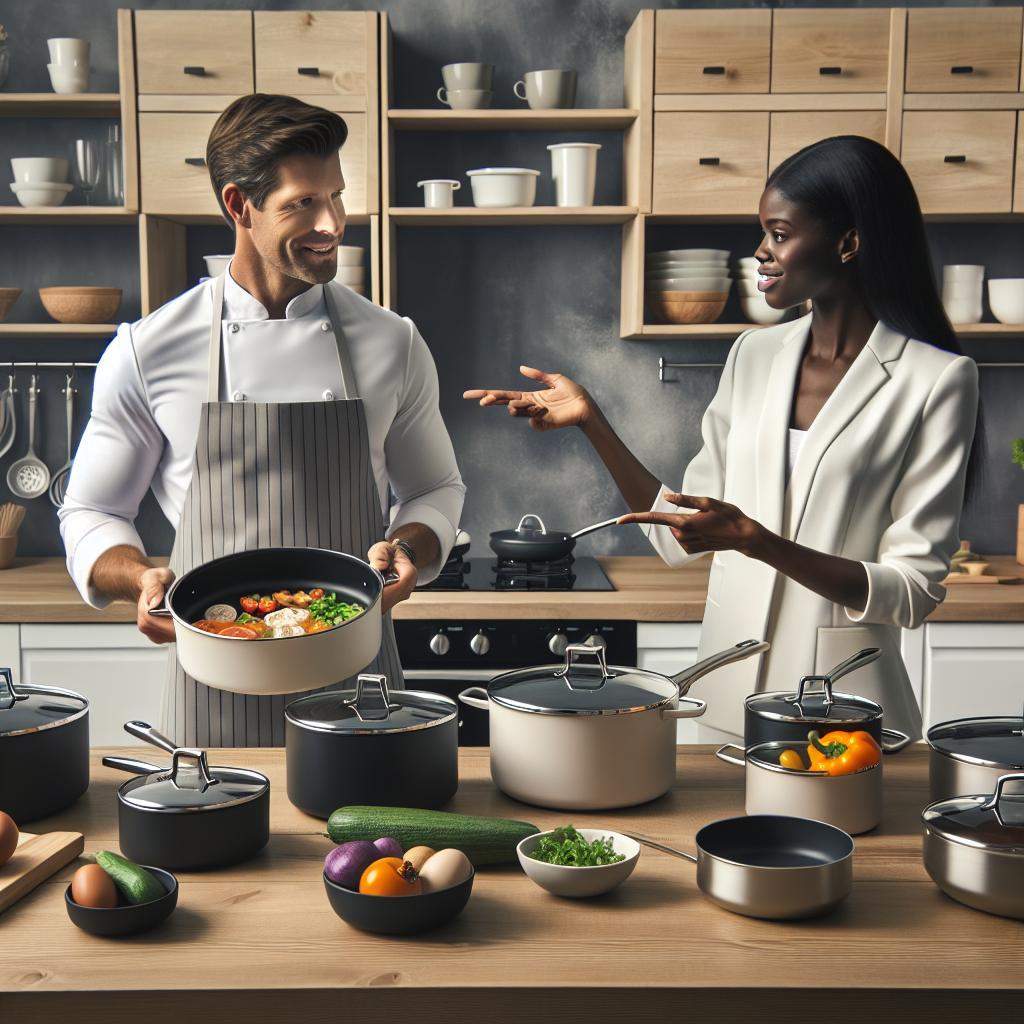
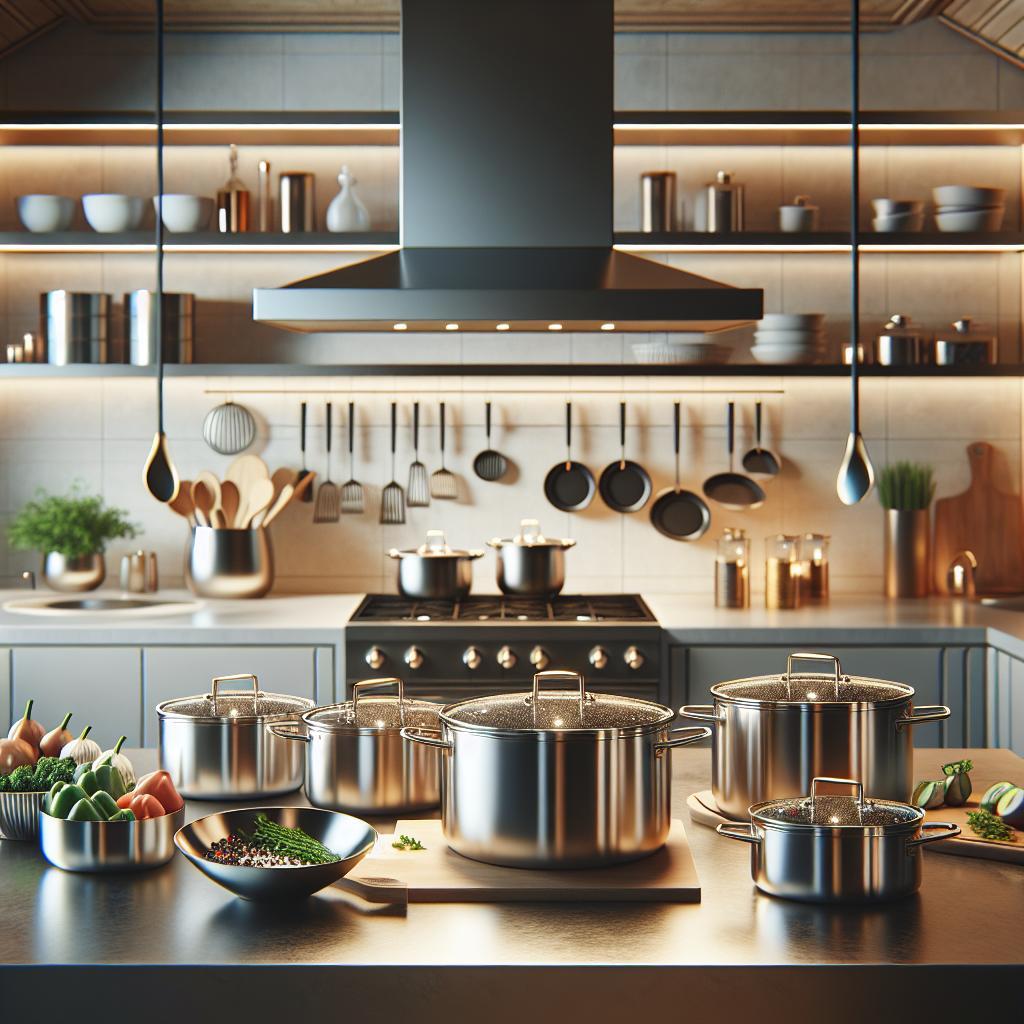
Looking for the best healthy stainless steel cookware for safe, non-toxic meals? You've hit the jackpot! Say goodbye to those questionable non-stick coatings and embrace the brilliance of stainless steel—durable, safe, and perfect for both sautéing and searing. Dive into our expert picks that not only make cooking a breeze but also protect your health. Your taste buds and your peace of mind will thank you!
Lead-Free Tea Sets: Elegant and Safe Options for Every Tea Lover

Lead-Free Tea Sets: Elegant and Safe Options for Every Tea Lover

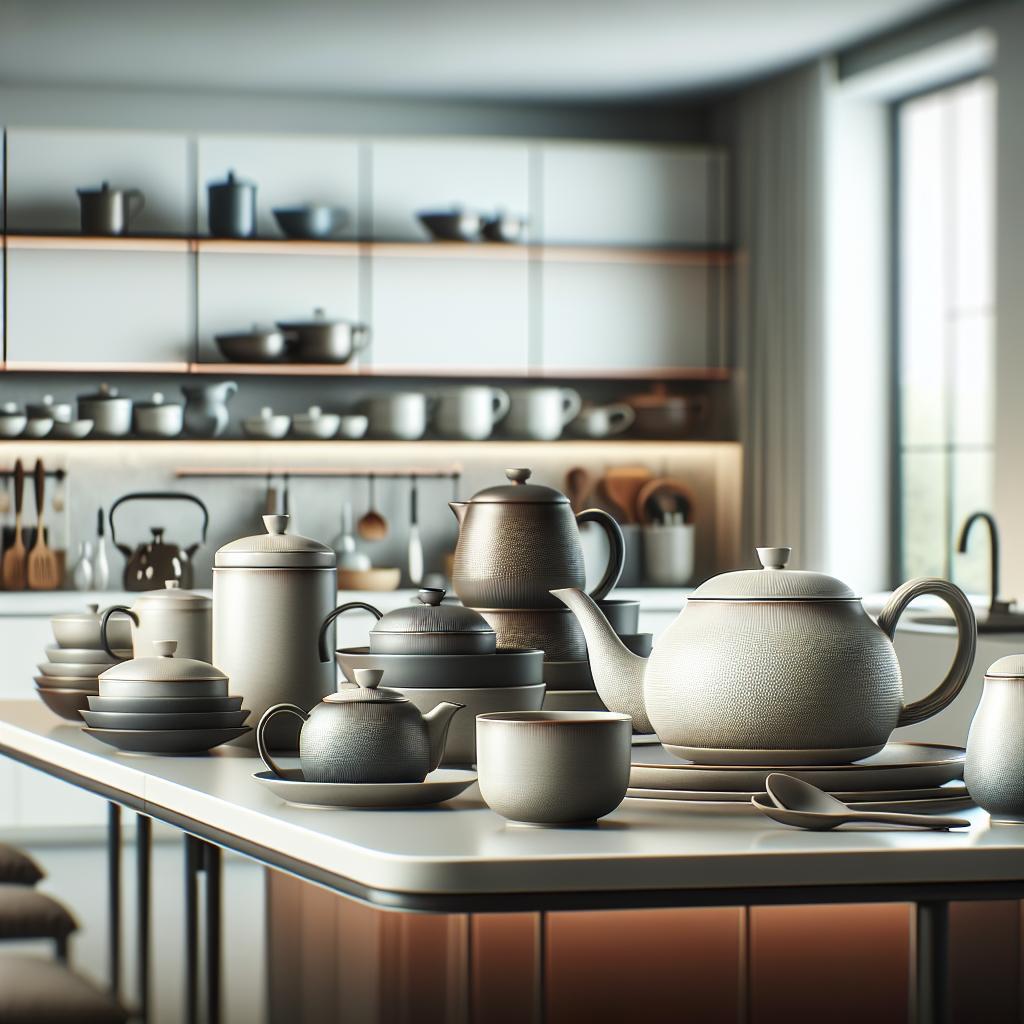
Looking for elegant and safe options as a tea lover? Lead-free tea sets are not just a trend; they’re a health-conscious choice that blends style with safety. Imagine sipping your favorite brew from stunning teapots, free from harmful chemicals. Join the revolution of health-forward sipping – your taste buds and your peace of mind will thank you!
Certified Lead and Cadmium Free Dinnerware: Your Healthier Option

Certified Lead and Cadmium Free Dinnerware: Your Healthier Option

Looking to upgrade your dining experience? Certified lead and cadmium free dinnerware is your healthier option, protecting you and your family from harmful toxins. Think of it as your pottery's way of saying, “No thanks!” to dangerous chemicals—because who needs that on their plate? Dive into the details and discover why safe, stylish dinnerware is the way to go!
What Is the Most Healthy Cookware to Use in Your Kitchen?

What Is the Most Healthy Cookware to Use in Your Kitchen?

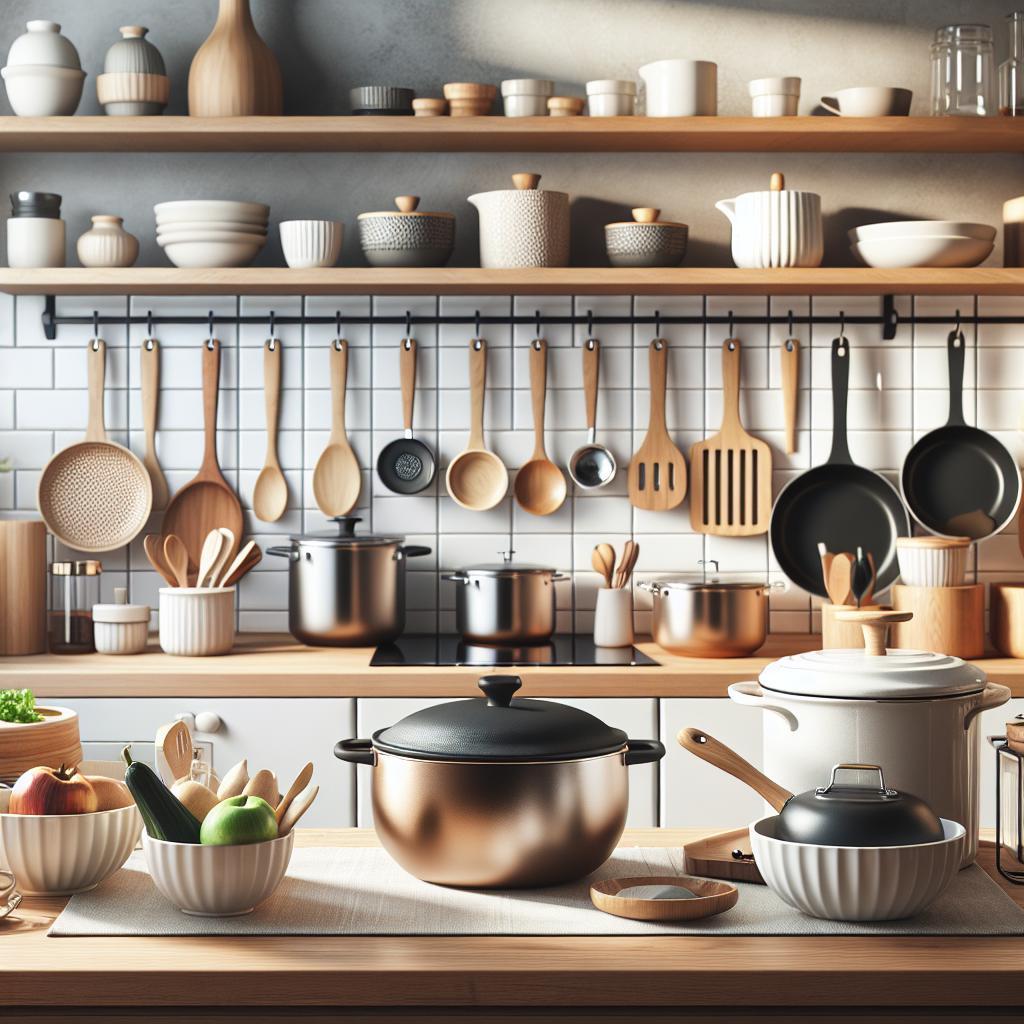
What is the most healthy cookware to use in your kitchen? While you might be tempted by shiny sales pitches, choosing the right pots and pans can mean the difference between delicious meals and hidden health hazards. From non-toxic ceramic to cast iron that guarantees iron by your next meal, this guide unravels the myths and facts about healthy cooking surfaces. So, let’s dive in and find out if your cookware is a culinary hero or a sneaky villain!

Step-by-Step Implementation & Protocol Matrix

The step-by-step implementation and protocol matrix below map actionable workflows, structural benchmarks, and execution stages.

Healthy Cookware Types — Step-by-Step Implementation & Protocol Matrix
Implementation GuideActionable Protocol & BenchmarksWorkflow Stage
Guide to the Safest Cookware SubstratesMaterial ranking across 304 stainless, cast iron, glass, and solid ceramicMaterial Selection
Why Stainless Steel Cookware Is Inert and SafeChromium-oxide passive layer, 18/10 vs. 18/8 grades, and multi-ply clad coresSubstrate Analysis
Ceramic Cookware Safety & Sol-Gel ChemistryKiln-cured solid ceramic vs. aluminum-core silica coatings (450–500 °F max)Safety Verification
Enameled Cast Iron Reactivity & Glaze ReviewVitrified porcelain-enamel barriers over 52 W/m·K gray iron bodiesMaterial Review

Applied Workflows & Execution Guides

Applied workflows and execution guides cover step-by-step preparation, structural refinement, and common error resolution.

Nonstick Alternatives, Copper & Eco Materials

Stovetop Selection & Brand Safety Guides

Additional Specialized Guides & Case Studies

Practical Implementation Questions

Practical implementation questions clarify preparation requirements, execution intervals, and quality benchmarks.

Why is unlined copper cookware unsafe for acidic sauces?

Unlined copper reacts rapidly with acidic ingredients such as tomatoes, wine, and vinegar below pH 4.5, dissolving excess copper ions into food above safe dietary levels. Tin or 304 stainless steel linings provide an inert barrier while retaining copper's 401 W/m·K thermal responsiveness.

How does 18/10 stainless steel prevent nickel and iron leaching?

Austenitic 18/10 stainless steel contains 18% chromium and 10% nickel that spontaneously form a self-healing passive chromium-oxide surface film. Preheating pans before adding salt and avoiding abrasive scouring preserves this passive barrier, keeping trace metal release negligible during routine simmering.

What distinguishes 100% solid ceramic cookware from ceramic-coated aluminum?

Solid ceramic pots are kiln-fired entirely from natural clay and mineral glazes without metal cores, tolerating oven baking, broiling, and microwave reheating without flaking. Ceramic-coated pans pair an aluminum body with a thin silica sol-gel layer engineered primarily for stovetop nonstick frying.