
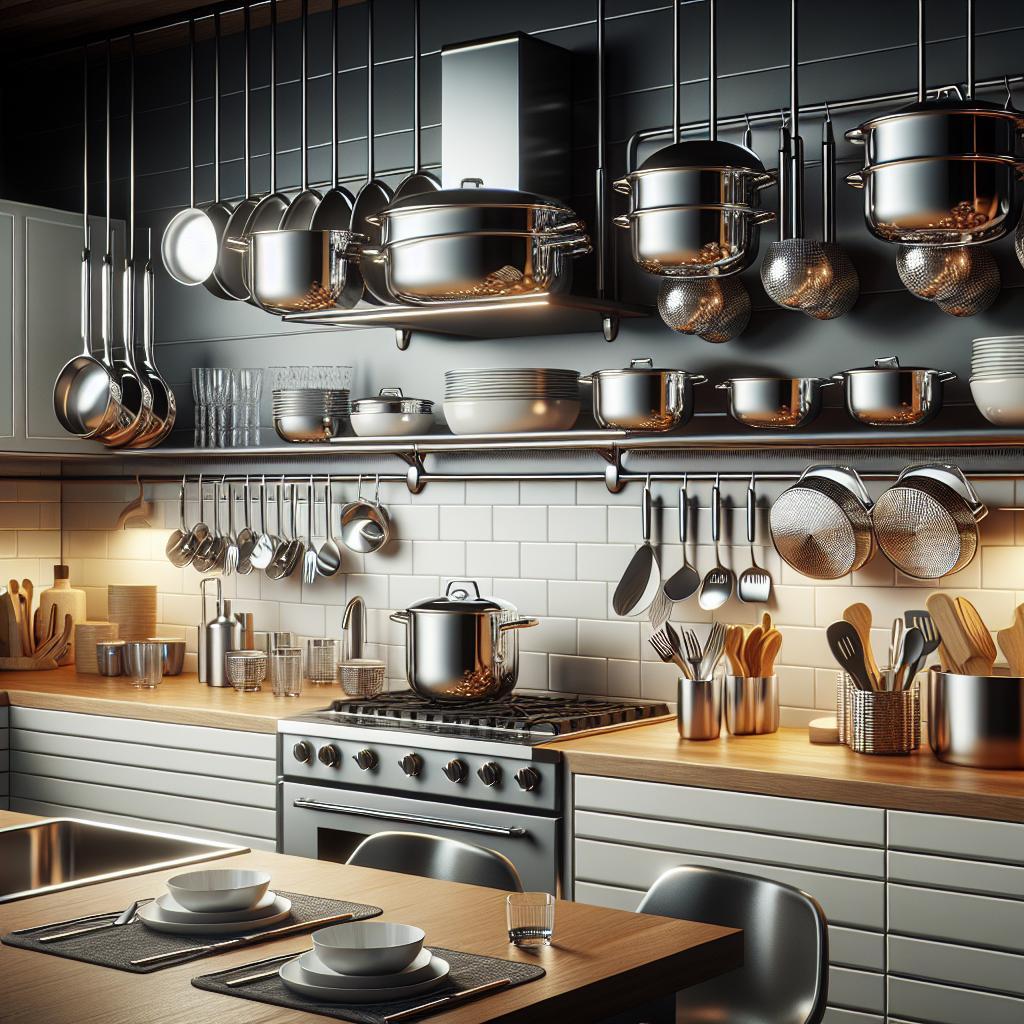

When it comes to preparing delicious and nutritious meals, the cookware you choose plays a vital role in ensuring safety and health. That’s why exploring the best healthy stainless steel cookware for safe, non-toxic meals is more than just a culinary choice—it’s an investment in your well-being. Stainless steel, renowned for its durability and non-reactive surface, is an excellent option for those who want to avoid harmful chemicals often found in other cookware materials. In this article, we’ll delve into the top picks on the market, helping you make informed decisions that align with your health goals without sacrificing culinary creativity.
Why Choose Stainless Steel Cookware
Stainless steel cookware is like that reliable friend who always shows up on time, brings snacks, and knows how to handle heat. When it comes to cooking, it ticks all the boxes for a safe, non-toxic option while giving you the culinary prowess you deserve. Unlike some materials that may leach chemicals into your food when heated (we’re looking at you, non-stick frying pans), stainless steel is inert. That means what you see is what you get—there’s no surprise chemistry experiment happening in your kitchen while you sauté your vegetables.
Durability and Longevity
Investing in stainless steel cookware is essentially a commitment to your kitchen’s future—a future where your pots and pans don’t become mere relics after a few months of use. Here’s why:
- Scratch-Resistant: Your stainless steel pans will withstand the relentless clattering of utensils and the occasional drop (oops!). Unlike non-stick surfaces, they’re not going to peel off and leave you wondering if you’ve accidentally ingested some Teflon.
- Corrosion-Resistant: A well-maintained stainless steel pot can last a lifetime. Think of it as the “ET” of cookware—extraterrestrial in its endurance. With proper care, say goodbye to rust spots and hello to a gleaming kitchen companion that’s always ready for action.
Health Factor
Choosing stainless steel isn’t just about durability; it’s a health-conscious decision that can improve your cooking game. Since stainless steel is non-reactive, it won’t react with acidic foods like tomatoes or citrus—meaning the flavors you’re cooking with won’t mingle with any metallic aftertaste. It allows your amazing marinara sauce to shine without unwanted interference!
- Zero Toxins: No lead, no cadmium, no phthalates. Just pure, unadulterated stainless steel. You can whip up a meal for the family without worrying about any toxic chemicals lurking in the background.
- Easy to Clean: Most stainless steel cookware is dishwasher safe, because let’s be honest, who has time for handwashing? And if you do need to scrub, a little baking soda and water can work wonders—just like that old magic trick you learned as a kid.
Versatility in Cooking
Whether you’re steaming veggies, searing a steak, or baking up a casserole, stainless steel cookware holds its own like a seasoned performer taking center stage. Here’s what’s great about it:
- Even Heating: You won’t find any hot spots here! Stainless steel distributes heat evenly, which means no more burnt edges with perfectly cooked centers. It’s like a well-orchestrated symphony—everything is in harmony.
- Oven and Stovetop Friendly: Want to start your dish on the stove and finish it in the oven? Stainless steel is right there with you, unfazed by the temperature changes—like that friend who can take a joke and dish it right back.
Take a moment to appreciate the fact that ongoing research continues to validate the health benefits of stainless steel compared to other cookware materials. Some say stainless steel can even help you feel like a professional chef in your own kitchen. It’s all about making informed decisions that not only enhance your cooking experience but also contribute to your well-being.
When choosing cookware, feel empowered to embrace the strength and benefits stainless steel brings to your kitchen. It’s an investment not just in tools, but in your culinary journey—a journey filled with delicious, safe meals that are sure to impress.
Understanding Health Risks in Cookware
When it comes to our cooking pots and pans, the health risks associated with cookware can often be as overlooked as that dubious mystery meat in the back of your fridge. But just like you wouldn’t want to wake up to a surprise when you finally tackle that leftover casserole, it’s best to be aware of what’s lurking in our beloved cookware. Understanding the potential pitfalls of various materials used in pots and pans is crucial for anyone looking to serve up healthy, non-toxic meals in the kitchen.
What’s Cooking in Your Cookware?
Picture this: you’re sautéing some vibrant vegetables in your favorite non-stick skillet, and the aroma wafts through your kitchen. But did you know that many non-stick surfaces are made with perfluorinated compounds (PFCs), which can release toxic fumes when overheated? It’s kind of like that awkward conversation about your cousin Larry at family gatherings—everyone’s thinking it, but no one wants to say it out loud. PFCs have been linked to a smorgasbord of health issues, from hormonal disruptions to cancer risks. To keep your cooking safe, consider opting for healthier alternatives like stainless steel.
Another sneaky contender in our cookware category is aluminum. While it’s lightweight and conducts heat like a champ, research suggests excessive ingestion might pose health risks, potentially contributing to neurological disorders. It’s as if aluminum were that friend who’s super fun to hang out with but just doesn’t know when to leave the party. Though the research is still ongoing, it’s worth considering coated options or stainless steel, which offers more durability and less risk of leaching into your meals.
The Stainless Steel Superhero
Why is stainless steel the go-to hero for health-conscious cooks? Well, it’s more than just a shiny finish! This material is non-reactive, meaning it won’t leach harmful substances into your food, even when you’re cooking up acidic dishes like tomato sauce or lemon chicken. Imagine cooking in a kitchen where every meal feels like a delicious pass of the baton—one dish to the next—without having to worry about accidental contamination. Furthermore, many reputable brands use a higher percentage of chromium and nickel in their stainless steel, enhancing its non-reactiveness and preventing corrosion, ensuring you’re feeding your family with safe utensils.
As if that weren’t enough, the long-term durability of stainless steel means you’re investing in something that will withstand the tests of time—and whether it’s spattered with sauce or piled high with burnt bits after a weekday mishap, it can take it. And let’s be real: who doesn’t love a trusty pan that looks great on Instagram and can serve you meals for years to come? Stick with high-quality stainless steel products, and your cooking will practically be the culinary equivalent of a reliable Swiss Army knife—versatile, sturdy, and always there when you need it.
In the quest for a non-toxic kitchen, remember that what you cook with can be just as essential as the ingredients themselves. So, the next time you’re tempted to reach for that non-stick skillet, take a moment to think about what’s really cooking both on your stove and in your body. Your meals—and your health—will thank you!
Identifying Safe and Non-Toxic Options
When it comes to cookware, navigating the world of materials can feel like walking through a minefield—especially if you’re trying to avoid harmful substances. Luckily, stainless steel is a champion in the non-toxic cookware department. Unlike non-stick pans that can start peeling faster than a sunburn in July, high-quality stainless steel offers durability, safety, and a non-reactive cooking surface that won’t leach chemicals into your food. But not all stainless steel is created equal! Let’s dig into how to identify safe, non-toxic options that will have you cooking up storms without fear.
Understanding Stainless Steel Grades
One of the first things to consider when shopping for stainless steel cookware is the grade of steel used. The most common types you’ll encounter are 18/10 and 18/8 stainless steel.
| Composition | Key Features | Common Uses |
|---|---|---|
| 18/10 | 18% chromium, 10% nickel - excellent corrosion resistance and sustainability | High-end cookware, sinks |
| 18/8 | 18% chromium, 8% nickel – good corrosion resistance | Basic cookware, cutlery |
Choosing 18/10 stainless steel ensures you get a robust product that can withstand the test of time and, more importantly, won’t leach harmful substances during cooking. It’s like picking the ripest apple from the grocery store—worth the effort for the juicy payoff!
Certification and Brand Reputation
Just like you wouldn’t buy produce from a stranger on the street (no matter how persuasive they are!), you should also be wary of unknown cookware brands. Look for products that are certified by reputable organizations or have good user reviews. Certifications can include:
- FDA Approval: Indicates compliance with safety standards.
- NSF Certification: Focuses on public health and safety.
- PFOA-Free: Essential for ensuring the absence of hazardous chemicals typically found in non-stick coatings.
A bit of research goes a long way. Brands with a legacy of good practices—think Le Creuset or Cuisinart—tend to produce cookware that meets these standards. It’s like choosing a trusted mechanic versus a “just got my license” type; the stakes are high, and quality matters!
Handling Your Cookware Right
You might think once you’ve invested in safe, non-toxic cookware, your job is done. Not quite! Proper care and handling are just as important as the materials used. Here are a few handy tips to keep your stainless steel in tip-top shape:
- Avoid Abrasive Cleaners: They can scratch the surface, creating areas for bacteria to hang out—yuck!
- Use the Right Utensils: Silicone or wooden utensils are your best bet for protecting the cookware’s surface.
- Don’t Overcrowd the Pan: Giving your food room to breathe not only enhances flavors but also prevents sticking.
Think of your stainless steel cookware as your favorite jacket. If you treat it well by washing it gently and not tossing it around, it’ll serve you well for years, keeping you looking sharp while you whip up gourmet dinners!
As with anything in life, there’s a balance to be struck. Ongoing research continues to explore how different cooking materials affect our health. While stainless steel is currently hailed as one of the safest options, staying informed pays off as new findings emerge. Keep your radar on and be willing to adapt—just like you’d switch up your smoothie recipe when strawberries come into season!
Top Benefits of Stainless Steel Cooking
Stainless steel cookware is like that friend who always shows up on time and never lets you down. It’s versatile, robust, and ready to take on the heat—literally! Opting for stainless steel in your kitchen can transform your cooking game while ensuring that every meal you prepare is both safe and delicious. With no harmful chemicals leaching into your food, you’re not just cooking; you’re creating a wholesome experience that you can feel good about, even as you’re whipping up your famous lasagna or a quick stir-fry after a long day.
Durability That Lasts
When it comes to kitchenware, few materials can rival the durability of stainless steel. Unlike flimsy non-stick pans that scratch and wear away faster than a fast-food burger on a Monday morning, stainless steel is built to endure. It is resistant to rust, tarnishing, and chipping, and with a little TLC, it can last for decades. Imagine passing down a sauté pan to your kid, and then your kid’s kid; that’s the kind of legacy we’re talking about!
Furthermore, stainless steel can withstand high temperatures. You can toss it in the oven or crank up the stovetop without fear of damaging it or releasing toxic fumes—an essential win for every home chef aiming for safe cooking.
Healthier Cooking Experience
The beauty of stainless steel lies in its non-reactive nature. That fancy lemon-garlic chicken you’re cooking? It won’t pick up metallic flavors or react with acidic ingredients the way some other materials might—think aluminum or certain non-stick coatings. This means your culinary masterpieces stay true to their delicious roots.
Plus, stainless steel is a breeze to clean! Whether it’s your famous (or infamous) macaroni and cheese from last night or the remnants of a sizzling stir-fry, a quick soak and a scrub are usually all it needs. Plus, you can pop many stainless steel items in the dishwasher; how’s that for low-maintenance? Less time scrubbing means more time enjoying your meal (and maybe indulging in a well-earned dessert).
Versatility Meets Style
Ever tried cooking a delicate sauce in a non-stick pan? It’s a high-wire act, and often ends in disaster. With stainless steel, you can confidently sauté, sear, or simmer without awkward “oops” moments. Moreover, stainless steel cookware is like the little black dress of the kitchen—simple, elegant, and always in style. It complements any decor, from high-tech modern kitchens to rustic farmhouse aesthetics.
Here’s a fun fact: many professional chefs prefer stainless steel for its responsiveness to heat changes. It heats quickly and evenly, allowing for precise temperature control. So, whether you’re looking to impress guests or simply want to whip up an exquisite weekday dinner, this cookware is your trusty sidekick.
To sum it up in a simple table:
| Benefit | Details |
|---|---|
| Durability | Long-lasting, resistant to rust and scratching. |
| Healthier Cooking | Non-reactive and easy to clean, no toxic chemicals. |
| Versatility | Perfect for a variety of cooking techniques. |
| Style | Elegant design that fits any kitchen aesthetic. |
Given these benefits, it’s hard not to see why stainless steel cooking is such a popular choice! Whether you’re sautéing shrimp for taco night, baking a chicken for Sunday dinner, or boiling water for tea, investing in high-quality stainless steel cookware is a wise move towards a healthier kitchen and lifestyle.
Comparing Stainless Steel Brands
When it comes to stainless steel cookware, not all brands are created equal. Choosing the right one can feel like trying to select a favorite child; they all have their strengths and quirks. Trust me, I’ve spent many an hour contemplating the pros and cons of various brands, all while trying to figure out why my pasta always seems to stick. Enter a little comparison to shed some light on which stainless steel brands really bring their A-game to the kitchen.
Quality Matters
Let’s get right into it: quality is key when you’re looking for cookware that will stand the test of time (and my experimental pasta sauce). Here are some top names that often come up in kitchen conversations:
- All-Clad: Known for their impressive heat conductivity and durability, All-Clad’s cookware is like that reliable friend who always shows up with pizza on movie night.
- Calphalon: With a focus on easy handling and even cooking, Calphalon’s stainless steel offerings are great if you want to feel like a culinary pro without too much effort—or burnt food.
- Cuisinart: Affordable yet effective, Cuisinart is your go-to for budget-friendly options that don’t compromise on quality. It’s like the happy medium in dessert land—satisfying but not overboard.
- KitchenAid: Renowned for their stand mixers, KitchenAid also delivers solid stainless steel pans that are as trendy as the art of sourdough baking—perfect for the Instagram foodie!
Performance and Construction
Next up, let’s talk performance. Not just how cookware looks, but how it behaves on the stovetop. The construction of stainless steel, combined with its core materials, can make a world of difference when cooking. For instance, multi-ply construction (think layers!) helps distribute heat evenly and reduces the chances of hot spots.
| Brand | Core Material | Number of Layers | Heat Distribution |
|————|—————–|——————|——————-|
| All-Clad | Aluminum | 3-5 Layers | Excellent |
| Calphalon | Aluminum | 3 Layers | Good |
| Cuisinart | Copper | 3 Layers | Very Good |
| KitchenAid | Aluminum | 2 Layers | Moderate |
Sure, the kitchen isn’t a science lab, but let’s be honest—every little bit helps, especially for those of us who have had a fair share of kitchen mishaps. Remember that infamous burnt risotto? Not something you want happening every week!
Safety and Non-Toxicity
Now, if you’re on a mission for non-toxic cooking, safety in materials is crucial. Stainless steel, by its nature, doesn’t leach harmful substances into your food. However, not every brand is entirely free from toxins. For example, some lower-quality brands may still carry traces of harmful chemicals from manufacturing processes. Do your homework and look for brands that are certified and leave all the sketchy stuff at the door, just like you would when you have a friend over who can’t handle gluten!
So, when you’re scouting out the best cookware, keep these key factors in mind. Aim for quality, consider the performance based on construction, and align with brands that prioritize safety. With the right choice, you’ll be cooking up non-toxic meals like a pro, and your family—or dinner guests—will be none the wiser that you did it all with a little help from some brilliant stainless steel!
Caring for Your Stainless Steel Cookware
Caring for stainless steel cookware is a breeze once you get the hang of it! Think of your pots and pans as that dependable friend who always lends a hand, but occasionally needs a little TLC to stay in top shape. With just a bit of attention, your cookware can last a lifetime and perform like new. Plus, the better you care for them, the more delicious, healthy meals you can whip up without any hassle or worry about toxins.
Regular Cleaning Techniques
First things first, cleaning: unlike that one guy who doesn’t know how to clean his room, your cookware just needs some good old soap and water. For daily upkeep, use warm water and a gentle dish soap. Just make sure to avoid anything too abrasive—your stainless steel isn’t a back-road hiking trail, so leave the scrubbing pads off the table! When cleaning pots that have stubborn stains or burnt-on remnants, a gentle scrub with baking soda or vinegar can work wonders. These kitchen heroes effectively lift grime without scratching the surface.
Here’s a quick rundown of cleaning dos and don’ts:
- Do: Use warm soapy water and a soft sponge.
- Don’t: Use steel wool or harsh scouring pads.
- Do: Tackle heat stains with a paste of baking soda and water.
- Don’t: Let your cookware soak for long periods; it loves to breathe!
Storing Your Cookware
Now that your stainless steel cookware is sparkling, let’s talk storage. Just like a good wine needs the right cellar, your cookware deserves a loving home too. Store pots and pans in a way that prevents them from scratching each other. Dedicate a cupboard or a pot rack to them, and use soft fabric or pot protectors if you’re stacking to buffer the impact. Better yet, hang them up like trophies—you deserve to show them off!
Be mindful of lids too! I once had my lids scattered about like lost socks in the dryer. Use a lid organizer or even a simple divider to keep everything tidy. This way, you ensure that all your cooking essentials are easily accessible when dinner time rolls around, and you won’t get caught rummaging around like you’re searching for the remote control in the couch.
A Little TLC Goes a Long Way
Every now and then, it’s beneficial to give your stainless steel cookware some extra love. Consider seasoning them with a hit of cooking oil after cleaning. This can help create a non-stick layer, making future cooking and cleaning a breeze! And hey, it’s basically the cookware equivalent of moisturizing your skin—always a smart move!
Also, storing your cookware properly can enhance performance and lifespan. High-quality stainless steel can handle high heat, but if you find them discolored from too much action on the stovetop, it’s usually a sign to turn down the flames or adjust your heat settings. Keep in mind that research suggests consistent high-heat cooking can lead to long-term wear and tear, which is something to be mindful of if you want them to last as long as your grandma’s cherished casserole recipe.
So, next time a friend asks how you keep your cookware in such tip-top shape, you can smile and confidently list off all your tips—because you know that caring for your stainless steel isn’t just beneficial for your kitchen, it’s essential for your health!
Cooking Tips for Healthy Meals
When it comes to whipping up healthy meals, having the right cookware can make all the difference in the world—especially when you opt for stainless steel. Besides being durable and versatile, stainless steel is great for maintaining flavor and nutrients in your foods. So, let’s dive into some cooking tips that can help you get the most out of your healthy stainless steel cookware without feeling like you’re trying out for a spot on a cooking show.
Keep It Clean and Shine On
A shiny pot is like your favorite pair of shoes—show them off! Start with a clean cooking surface for the best results. Make sure to scrub your stainless steel cookware with warm, soapy water before each use. This not only helps in preventing flavors from previous meals from lingering but also in maintaining that luster that screams, “I know what I’m doing in the kitchen!”
After cooking, be sure to let the cookware cool down a bit before washing. The rapid temperature change can cause warping, much like letting your kid jump into the pool with a full belly—no good comes from it! For stuck-on food, give a paste of baking soda and water a try; it works wonders without being harsh on your cookware.
Using the Right Heat Levels
Cooking with stainless steel is a bit like dating—it requires the right amount of heat. Too hot, and you risk getting burnt (and nobody wants that!). Preheat your pan on medium for a few moments before adding in oil or food. This technique helps create a little barrier and minimizes sticking. Think of it as warming up before your big run!
When frying or sautéing, use enough oil to coat the bottom but don’t go overboard—consider it a light drizzle, not a Michelin-starred bath for your food. Also, remember that food release happens naturally as proteins form a nice crust, so resist the urge to move things around constantly. Patience is a virtue, especially in the kitchen!
Perfect Cooking Times
Ever tried cooking quinoa and ended up with mushy grains that look like they just finished a tough workout? Fear not! Timing is everything in the kitchen. For a healthy leap, try to follow the cooking times like a GPS: trust the directions. Most stainless steel cookware is great at conducting heat evenly, so once you learn your cook times, you’re golden. For example:
| Food | Cooking Time |
|---|---|
| Quinoa | 15 minutes |
| Broccoli (steamed) | 5-7 minutes |
| Chicken Breast | 20-25 minutes |
| Brown Rice | 45-50 minutes |
Lastly, make sure to check for doneness using an instant-read thermometer for meats. A little tweak here and there, and you’ll be serving up meals that not only look good but also taste fantastic—like a chef’s kiss kind of fantastic.
Experiment with Flavors
Stainless steel cookware loves flavors just as much as we love binge-watching our favorite series! Don’t hesitate to throw in herbs, spices, and citrus for a healthy twist on your meals. Fresh garlic sautéed with vegetables can transform a basic stir-fry into something you’d brag about at a dinner party. Just like knitting, combining different strands builds texture and character.
Cooking healthy doesn’t mean skimping on taste; it’s about elevating everyday ingredients. For example, toss some cherry tomatoes and basil in a skillet after pulling your protein out and watch a simple dish become a Mediterranean feast. Remember, cooking is as much about experimentation as it is about following tried-and-true methods. So channel your inner mad scientist and taste the experiments—just maybe not near your nonna’s recipes!
Now go forth and conquer the kitchen, armed with these tips and your gleaming stainless steel cookware. Healthy eating just became a whole lot more fun!
FAQ
What are the benefits of using stainless steel cookware for healthy cooking?
Stainless steel cookware is increasingly popular among health-conscious cooks, and for good reason. One of the primary benefits is its durability; stainless steel is resistant to rust and corrosion, which means that it can last for many years without degrading or leaching harmful substances into your food. Unlike non-stick cookware, stainless steel does not contain chemicals like PFOA or PFAS, which can release toxic fumes when heated.
Additionally, stainless steel has excellent heat conductivity, allowing for even cooking. This feature is crucial because it prevents hot spots that can lead to uneven cooking and potential food burning. Many high-quality stainless steel cookware sets are also dishwasher-safe, which simplifies the cleaning process. Using stainless steel can enhance your culinary experience, giving you peace of mind while preparing meals for you and your family.
Is stainless steel cookware non-toxic and safe for cooking?
Yes, stainless steel cookware is considered non-toxic and safe for cooking. It is composed of a combination of metals, primarily iron, chromium, and nickel, which are stable and do not leach into food under normal cooking conditions. Unlike some other materials, such as non-stick coatings, stainless steel doesn’t emit harmful chemicals or toxins, particularly at high temperatures.
Furthermore, reputable manufacturers produce stainless steel cookware that is free from harmful substances such as cadmium, lead, and other heavy metals. When purchasing, it’s wise to look for brands that adhere to stringent safety regulations and certifications, such as those from the FDA or NSF International. These certifications ensure the product is safe for food contact and free from contaminants, offering an additional layer of security to health-conscious consumers.
How do I choose the best stainless steel cookware for healthy cooking?
Choosing the best stainless steel cookware involves considering several key factors. First, assess the construction quality. Look for cookware made from 18/10 stainless steel, which includes 18% chromium and 10% nickel. This composition offers superior resistance to rust and corrosion, aiding in the longevity of the cookware.
Another crucial factor to consider is the cookware’s thickness. Thicker pans tend to provide better heat conduction and durability. Look for multi-ply or tri-ply options that have layers of materials, such as aluminum or copper, sandwiched between stainless steel, which helps in heat distribution and reduces the likelihood of food sticking.
Lastly, consider your cooking style and the types of dishes you frequently prepare. A versatile set that includes various pot sizes, frying pans, and saucepans can be especially beneficial. Reading customer reviews and ratings can also provide insight into the performance of different cookware brands and models.
Can stainless steel cookware be used on all types of stovetops?
Yes, stainless steel cookware is versatile and generally suitable for all types of stovetops. Whether you have gas, electric, induction, or ceramic cooktops, high-quality stainless steel cookware should perform well. For induction stovetops specifically, ensure that the cookware is labeled as induction-compatible; this typically means it has a magnetic base.
When using stainless steel pots and pans, it’s essential to manage heat levels appropriately. While stainless steel can handle high temperatures, starting with lower heat and gradually increasing it can help prevent food from sticking. To achieve optimal results, using a bit of oil or cooking spray can also enhance the cooking process and prevent sticking.
How do I maintain and care for my stainless steel cookware?
Proper care and maintenance of stainless steel cookware can significantly extend its lifespan and maintain its pristine condition. Begin by following the manufacturer’s instructions for cleaning, as different brands may have specific recommendations. Generally, stainless steel cookware should be washed with warm, soapy water after each use and dried promptly to prevent water spots.
For tougher stains or discoloration, a mixture of baking soda and water can be an effective natural cleaner. Simply create a paste, apply it to the affected areas, let it sit for a few minutes, and scrub gently with a soft cloth or sponge. Avoid using abrasive cleaners and steel wool, as these can scratch the surface.
Storing your cookware properly is also essential. Using pot protectors or towel lining between pots can prevent scratches and maintain the cookware’s appearance. Regular maintenance not only keeps your cookware looking new but also ensures that it performs optimally for years to come.
Are there specific brands known for high-quality stainless steel cookware?
Yes, several brands are recognized for producing high-quality stainless steel cookware that is both durable and effective for healthy cooking. Brands like All-Clad and Cuisinart are often recommended due to their strong reputations for quality and performance. All-Clad’s tri-ply construction ensures even heating, making it a favorite among professional chefs and home cooks alike.
Another excellent option is Calphalon; their stainless steel line is highly rated for its durability and ease of use. Scanpan is also gaining popularity, particularly for its environmentally conscious production methods and outstanding performance as a non-toxic alternative.
When selecting a brand, consider factors such as warranties, customer service ratings, and the availability of replacement parts, as these aspects can enhance your cooking experience and ensure longevity. Investing in a reputable brand can provide peace of mind that your cookware is safe and effective for healthy meal preparation.
In Conclusion
choosing the right cookware is fundamental not just for culinary performance, but also for your health. Our guide to the Best Healthy Stainless Steel Cookware for Safe, Non-Toxic Meals has illuminated the benefits of going stainless—where safety meets versatility. With numerous options available, investing in high-quality stainless steel cookware ensures that your meals are free from harmful chemicals, while also providing you with the durability and efficiency every home chef craves.
Remember, as you stir, sauté, and simmer your way to delectable dishes, the tools in your kitchen should enhance the experience, not compromise your well-being. So, why not toss out that questionable non-stick pot and embrace the shiny, sleek surface of stainless steel? Your future self—and your taste buds—will thank you!
Now, go forth and whip up a culinary storm, armed with the knowledge that every meal you prepare is not just delightful but also safe and health-conscious. After all, who said you can’t have your kale and eat it too? Happy cooking!
Get our latest guides, news, and insights highlighted in your Google Search & AI Overviews.


