
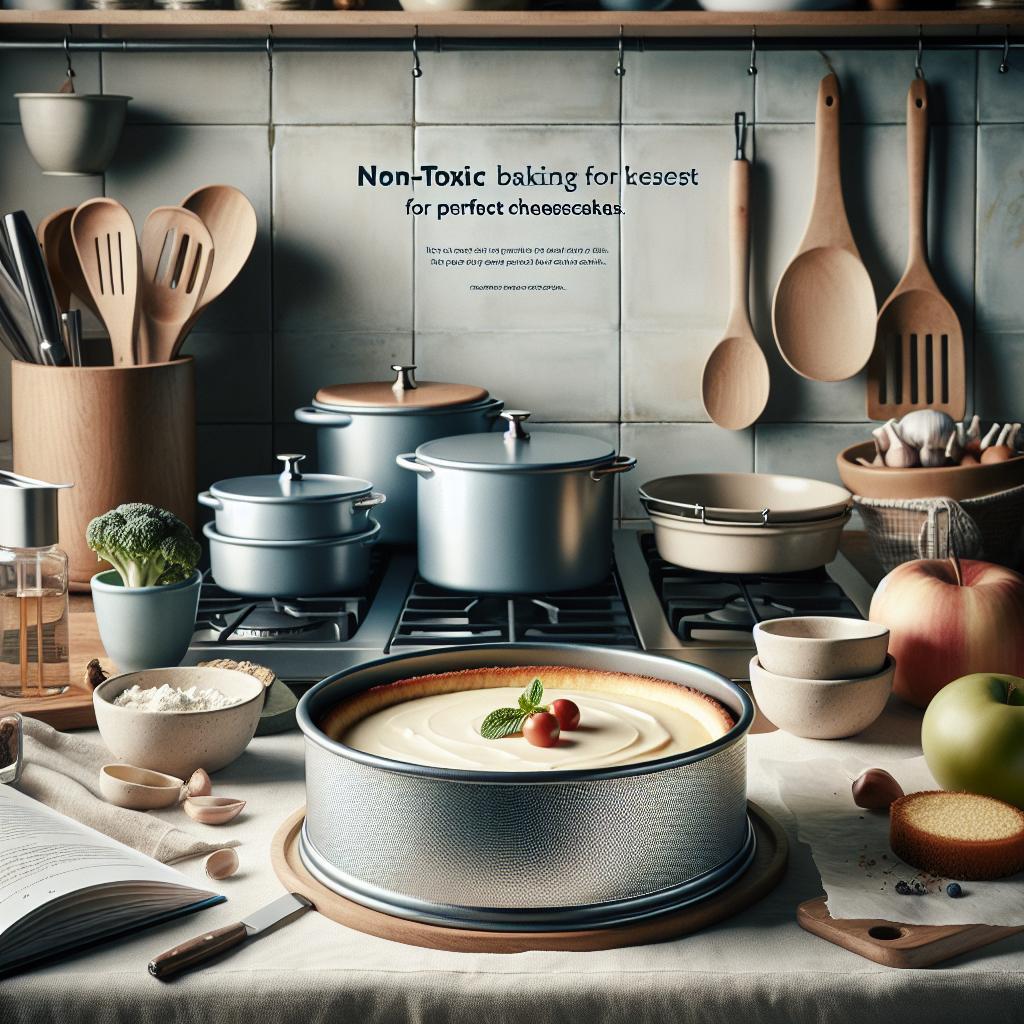

If you’ve ever dreamt of baking the perfect cheesecake without worrying about harmful chemicals leaching into your delicious creation, then a non-toxic springform pan is your new best friend. These innovative kitchen tools not only promise safety but also ensure that every slice of your cheesecake comes out flawlessly—smooth, creamy, and ready to impress. In this article, we’ll explore the benefits of using non-toxic springform pans, helping you bake with confidence while embracing a healthier kitchen environment. Get ready to elevate your baking game and indulge in guilt-free sweetness!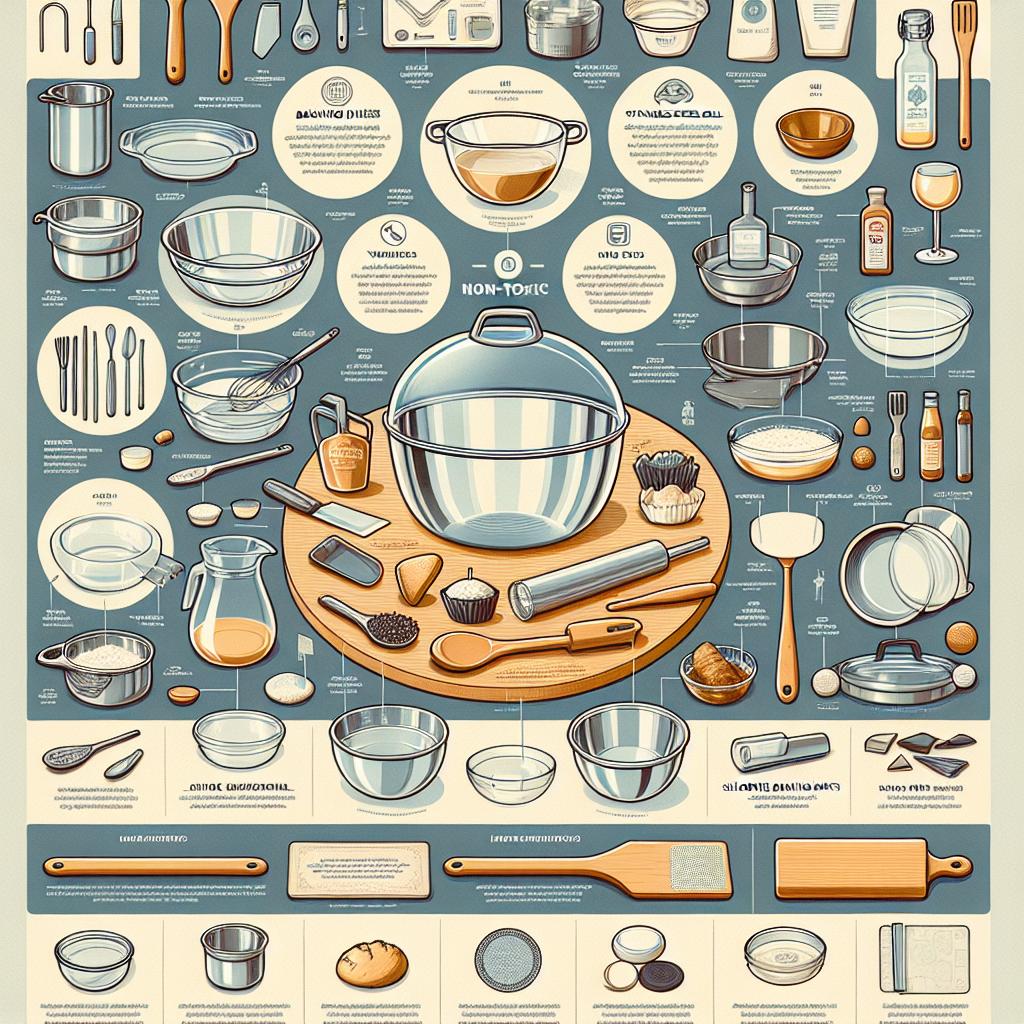
Understanding Non-Toxic Baking Materials
When it comes to baking, especially for those luscious cheesecakes, the materials you choose can be just as important as the recipe itself. Think of your baking tools as the unsung heroes of your kitchen, quietly ensuring that every slice is as delightful as the last. Non-toxic baking materials are essential not just for health reasons but also for ensuring the flavors of your creations shine through. Yuck! Who wants a hint of chemicals in their cheesecake? Like a bad date, those lingering flavors can completely ruin the experience.
Why Non-Toxic Materials Matter
Using non-toxic materials in baking is akin to choosing fresh, organic ingredients for your garden salad. Both choices promote health and provide peace of mind. When shopping for a springform pan, keep an eye out for options made from food-grade silicone, stainless steel, or safe anodized aluminum. These materials won’t leach unwanted chemicals into your food. And let’s be honest—who wants a side of BPA with their berry compote?
Here’s a little breakdown of common materials and what to look for:
| Material | Safety | Pros | Cons |
|---|---|---|---|
| Food-grade Silicone | Non-Toxic | Flexible, non-stick | Can retain odors |
| Stainless Steel | Non-Toxic | Durable, easy to clean | Poor heat conductivity |
| Anodized Aluminum | Non-Toxic | Lightweight, great heat conduction | Can scratch over time |
Common Pitfalls and How to Avoid Them
It’s easy to be swayed by shiny advertisements promising quick-baking miracles that might not be good for you. Be wary of non-stick coatings which, while convenient, can contain chemicals like PFAS that are straight-up bad news. Instead, consider investing in quality pans that are genuinely non-stick without these harmful substances. Yes, it might be tempting to snag that discount pan at the grocery store, but think of it like buying cheap wine—sometimes you just can’t afford to skimp in the long run, especially at cheesecake prices.
Another essential tip? Always check the manufacturer’s instructions. Some materials are dishwasher-safe, while others necessitate a gentle hand washing, or you could find yourself in a sticky situation—literally. And if you’re curious about the difference between various non-toxic materials, don’t hesitate to research ongoing studies and reviews. There’s always something new bubbling up in the baking world, and staying informed can make a world of difference.
So, next time you’re preparing to whip up a cheesecake, remember that your springform pan isn’t just a vessel; it’s an important player in your baking narrative. Choosing non-toxic materials can lead to a happier baking experience—and who knows, maybe even a hosting gig at the neighborhood block party with your amazing cheesecake stealing the show!
Benefits of Using Non-Toxic Springform Pans
Using non-toxic springform pans can dramatically elevate your baking game, particularly when it comes to achieving that creamy, dreamy cheesecake perfection! These pans are not just about aesthetics and convenience; they also bring a heap of health benefits that are worth exploring.
Healthier Baking Options
Opting for non-toxic materials ensures that harmful chemicals, often found in traditional bakeware, won’t accidentally leach into your beloved desserts. Think of it this way: when you’re whipping up a rich chocolate cheesecake, the last thing you want is for it to come with a side of harmful substances. By choosing pans made from non-toxic materials—like stainless steel or silicone—you can bake with confidence, knowing that the only flavors in your dish come from ingredients you trust.
- Less Risk of Chemical Exposure: Traditional pans may contain PFOA, PTFE, or lead. Going non-toxic means avoiding these bad boys.
- Easy Cleaning: Non-toxic pans often have a non-stick feature without the harmful coatings, making cleanup a breeze—more time to enjoy that cheesecake and less time scrubbing!
- Durability: Many non-toxic options are not only safer but also built to last. Investing in a quality pan means crazy-cheese-loving baking for years to come.
Environmentally Friendly Choices
Let’s not forget the planet! Choosing non-toxic also extends into eco-conscious territory. Many of these pans are made from sustainable materials, contributing to a healthier environment. As we well know, every small step counts. The satisfaction of baking an exquisite dessert can taste even sweeter with the knowledge that you’re also being kind to Mother Earth.
- Sustainable Materials: From bamboo to recycled aluminum, more brands are getting creative in their offerings.
- Less Waste: High-quality, durable pans last longer, cutting down on frequency of replacement. It’s like that old pair of jeans you can’t bear to part with—they just know how to hold it together!
Enhanced Cooking Performance
Aren’t we all in search of that perfect cheesecake that doesn’t crack? Well, worry not! Non-toxic springform pans often come with superior heat distribution properties, meaning your dessert won’t be left half-baked. They’re designed to provide an even cooking surface, which can lead to perfect results every time—goodbye, culinary disasters!
Here’s a little baking hack for you: preheat your oven before placing in the pan, and make sure that the bottom is well greased. A non-toxic springform pan will allow your cheesecake batter to slide out effortlessly, leaving you with a beautifully intact cake to flaunt during dinner parties—just be prepared for everyone to ask for the recipe!
- Even Cooking: Non-toxic springform pans often excel in conducting heat, ensuring that your holiday cheesecakes aren’t just tasty but also beautifully crafted.
- No Creepy Cracks: Aware of the horror that comes with cheesecake cracks? Say no more.
In short, embracing non-toxic springform pans is a win-win for your health, the planet, and your baking results. It’s a delightful trifecta that every home baker should consider while prepping those indulgent desserts!
Choosing the Right Non-Toxic Options
When it comes to baking with non-toxic materials, can feel as daunting as trying to find the perfect avocado in a grocery store. Who knew that the kitchen essentials we grab for baking cheesecakes could play such a major role in our health? We want every bite to be bliss, not marred by concerns about chemicals leaching into our cheesecakes. Fortunately, armed with a bit of knowledge, we can navigate the world of bakeware with confidence!
Understanding Materials
First off, let’s chat about the materials commonly used in springform pans. Here’s a simplified breakdown of some of the most popular (and non-toxic) options:
- Stainless Steel: The superhero of kitchen materials! It’s durable, non-reactive, and free from harmful substances. Perfect for your delicious creations, plus, it can withstand the test of time. Just don’t forget to label it as your ‘pan of perfection’ so your roommate doesn’t use it as a pizza tray!
- Glass: Yep, glass can be an option if you find a springform version. It’s safe and doesn’t react with acidic ingredients (looking at you, lemon zest). Just a heads up, make sure to check that it’s designed for baking; otherwise, you might have a new way to chef-tastrophically ruin your cheesecake!
- Silicone: This one’s a bit of a wild card. While silicone is typically considered safe, it’s essential to ensure it is food-grade silicone rated for high temperatures. Remember, not all silicone is born equal—some can contain fillers that you definitely don’t want in your dessert.
- Ceramic: If you can find a springform pan made from high-quality ceramic, you’re in business. Just keep in mind that while it’s generally safe, some ceramic items could have harmful glazes, so do your homework on the brand.
Selecting Brands and Checking Labels
Now, onto the nitty-gritty of choosing brands. Just like you wouldn’t take a leap of faith into a blind date without checking their social media, don’t dive into your next baking adventure without checking the brand’s reputation first! Look for companies that prioritize safety—some even advertise their products as PFOA-free, lead-free, and BPA-free. These labels are like a seal of approval that says, “Hey, I care about what goes in your mouth!”
| Brand | Material | Safety Certifications |
|——————-|———————|—————————————-|
| GreenPan | Ceramic | PFOA-free, lead-free |
| USA Pan | Stainless Steel | FDA Approved |
| Silikong | Silicone | FDA Compliant |
| Dexas | Plastic, hybrid | BPA-free, dishwasher safe |
Remember, every product has its pros and cons. A well-reviewed stainless steel pan might cost a bit more, but if it lasts longer and doesn’t shed coatings like a sad old snake during spring, it’s worth every penny. Some non-toxic pans come with enticing warranties as well—something you might want to investigate to find that perfect match!
In a world where ingredients matter, don’t settle for bakeware that doesn’t meet your non-toxic standards. So roll up your sleeves, get ready to bake, and keep an eye on those labels—your cheesecake will thank you!
Safe Baking Practices for Cheesecakes
Baking a cheesecake can feel like a delicate dance. You want it creamy and dreamy, yet the kitchen can be a minefield of potential mishaps—whether it’s the crust crumbling or the dreaded cracks in your filling. One critical piece in achieving your cheesecake masterpiece is ensuring you practice safe baking methods, particularly when it comes to your pan of choice. So let’s chat about how to keep those baking sessions both safe and successful.
Choosing Your Ingredients Wisely
Getting the right ingredients is like selecting the best cast for a Broadway show: it can make or break your production. For cheesecakes, you want to reach for quality, non-toxic ingredients, including natural sweeteners and dairy products free from artificial additives. When it comes to your springform pan, make sure it’s made from materials that won’t leach chemicals into your batter. Look for options that are BPA-free and crafted from safe non-stick coatings. These considerations can help avoid any unwanted surprise flavors or, worse yet, health issues.
To keep things straightforward, here’s a short list of baker-approved ingredients to avoid:
- Artificial sweeteners: Swap them for honey or maple syrup to keep it natural.
- Low-quality dairy: Best stick to organic cream cheese and sour cream. Your cheesecake deserves the best!
- Conventional oils: Use coconut oil or grass-fed butter—flavor and health win!
Handling Your Springform Pan Like a Pro
Ah, the springform pan—the unsung hero of cheesecake-making. It’s a little like that reliable friend who always knows how to lift your mood. When you’re working with one, it’s essential to prep it properly. Start by greasing it lightly with a non-toxic cooking spray or some butter. This little step makes a big difference come serving time, allowing your cheesecake to slide out like a charm instead of sticking like glue!
While your cheesecake nests in its cozy pan, preheat your oven. This is where you can play scientist: set your cake in a water bath. Sounds fancy, huh? But it’s just a technique where you place the springform pan inside a larger pan filled with hot water. This process helps distribute heat evenly and keeps that creamy texture intact, preventing that cracking faux pas. Just thoroughly wrap the outside of the springform pan in aluminum foil to keep the water at bay!
Storing Safely – Don’t Let It Go Bad!
Once your cheesecake is the belle of the baking ball, how do you keep it fresh? Storing it properly is key—kind of like putting your best dress in the back of the closet, away from the stains and spills. First, chill it in the fridge until you’re ready to indulge, and make sure it’s covered. You could use plastic wrap, but wouldn’t it be better to opt for a reusable silicone cover instead? It’s safer for the planet and keeps your cheesecake protected without sacrificing flavor.
When it’s time for leftovers, remember: time is the enemy. Cheesecake is best consumed within a few days, so don’t let it linger too long! If you’ve got a larger batch that’s more unwieldy than your Aunt Edna’s Thanksgiving turkey, consider freezing individual slices. Wrap each piece tightly in plastic wrap and pop it in an airtight container. Trust me; you’ll thank yourself later when the craving strikes!
By arming yourself with these safe baking practices, you’ll set the stage not only for heavenly cheesecakes but also for a worry-free baking experience. Now let’s get back to that kitchen and whip up something delicious!
How Non-Toxic Cookware Enhances Flavor
When it comes to baking, using non-toxic cookware goes beyond just safety; it can actually revolutionize the way your creations taste. You might wonder, what’s the difference? Well, consider this: when you’re concocting a creamy cheesecake, the last thing you want is to taste something metallic or chemical in your gourmet delight. Non-toxic materials like ceramic, glass, or high-quality stainless steel allow your delicious ingredients to shine, letting flavors meld and bloom in the most harmonious way. It’s like using a fine canvas for a painting—only the best will do when you’re after a masterpiece.
Flavor Preservation
One of the greatest benefits of non-toxic materials is their knack for retaining the authentic flavors of your food. Imagine mixing rich cream cheese, zesty lemon, and just the right amount of sugar. When baked in traditional non-stick pans, those ingredients could react with potentially harmful chemicals and leach unwanted flavors. Non-toxic pans, however, keep everything pure. You get a much crisper cheesecake edge, complemented by a smooth, velvety profile that sings in your mouth like a choir.
- No Reaction: Non-toxic cookware does not react with acidic ingredients, ensuring your flavors remain intact.
- Even Heating: Materials like ceramic distribute heat evenly, helping to avoid those dreaded hot and cold spots.
- Flavor Focus: Without chemical coatings, the focus remains on your ingredients—flour, sugar, eggs—you get the idea!
That’s not just a theory; many home bakers, myself included, will swear by their experiences. I once forgot to check if my springform pan was non-toxic, used it in a rush, and ended up with a cheesecake that, while still edible, had a hint of a metallic aftertaste. It was like a bad blind date—everything seemed fine, but then came the yucky surprise! Using non-toxic cookware can help eliminate those unexpected tastes and keep your cheesecake pure.
Texture Benefits
Besides flavor, let’s chat about texture—because who doesn’t want a cheesecake that is smooth as silk? Non-toxic pans significantly reduce the chances of sticking, which can turn your baking ambitions into a crumbly disaster, especially when you’re trying to impress friends at a dinner party. Trust me, you don’t want to be the friend who serves cheesecake that refuses to leave its pan.
To illustrate, think of your bake as a song. With non-toxic cookware, you’re tuning each note just right. The smooth, even baking process allows the egg proteins to set gently, resulting in a creamy texture that practically melts in your mouth. When you release the sides of a springform pan with a satisfied pop, you’re not just unveiling a dessert but a public display of your culinary prowess—all thanks to that sweet, sweet non-toxic upgrade.
Pro Tip: For added peace of mind, always check labels and opt for brands committed to using non-toxic materials. They might cost a tad more, but think of them as an investment—much like that fancy gym membership you secretly wish you had time for every January.
When getting into the nitty-gritty of your cheesecake game, remember that non-toxic cookware isn’t just about avoiding bad vibes; it’s the key to elevating flavor and texture to new heights.
Maintenance Tips for Your Springform Pan
Caring for your springform pan is almost as important as the cheesecake itself. After all, nobody wants a beautifully baked dessert marred by a rusty, old pan that’s seen better days. Plus, a well-maintained springform pan can become the unsung hero of your kitchen, delivering flawless cheesecakes year after year. So, let’s dive into the “what’s what” of keeping your springform in top-notch condition!
Wash Wisely
Washing your pan carefully is key to preventing wear. Avoid abrasive sponges like you’d avoid a bad date—nobody wants any scratches! Instead, opt for a soft sponge or dishcloth. After baking your cheesecake, let the pan cool down to room temperature (trust me, your cheesecake will thank you) before washing it in warm, soapy water.
You might be tempted to toss it in the dishwasher, but take heed: the high heat and harsh cleaning agents can damage the non-toxic coating. This can lead to unwanted drama, like flaking or rust. Basically, treat your springform pan like it’s as delicate as your Aunt Edna’s precious heirloom collection—handle with care!
Store with Love
When it comes to storage, think of your springform pan as a prized possession. Stack it with a little cushioning between the pans to prevent scratches. A simple paper towel or a soft cloth can act as a wonderful barrier—like a little hug, but for cookware. Remember to keep it in a dry place to avoid moisture buildup, which invites rust to the party.
And if you have a large collection of baking pans that could rival a bakery’s inventory, consider a dedicated storage area. After all, a cluttered pantry is a recipe for chaos—just ask your favorite kitchen expert! 🔍 Plus, nothing compares to reaching for the right pan and feeling like a baking wizard.
Inspect Regularly
You might think your springform pan is invincible, but it deserves a regular check-up. Keep an eye on the hinges; after all, they’re the backbone of your pan! A loose or damaged hinge can sabotage that classic separation of crust and filling, leading to catastrophic leaks. Perhaps you remember that one time when your best friend’s cheesecake decided to take a dip into the oven? Let’s prevent those cringe-worthy moments.
Also, check the non-stick surface for any signs of wear. If it’s scratched or chipping, it might be time for retirement. While we all love vintage kitchenware, no one wants a trip to the ER from ingested coating particles. 🙈
Use the Right Utensils
When crafting your culinary masterpiece, remember to choose utensils wisely. Metal tools can be like bad exes—harsh, damaging, and definitely not what you need. Stick with silicone or wooden utensils that won’t risk scratching your non-toxic surface. This one small change can significantly prolong the life of your springform pan, keeping it fabulous for years to come.
Lastly, don’t underestimate the importance of a good recipe! Research indicates that following proper baking techniques can minimize how hard your pan has to work. When your cheesecake rises beautifully and smoothly, it’s less likely to stick or break during removal. Now, doesn’t that sound like a win-win situation? It’s time to treat your springform pan right; after all, it’s the unsung hero of your dessert adventures!
Exploring Alternatives to Non-Toxic Pans
When it comes to baking the perfect cheesecake, choosing the right pan is as essential as selecting the finest ingredients. While the focus often lands on non-toxic springform pans, it’s equally intriguing to explore alternative options that can safely deliver the creamy, decadent desserts we crave. Think of it as a culinary scavenger hunt; sometimes the best finds are hidden just off the beaten path!
Exploring Other Safe Baking Options
If you’re keen to avoid traditional non-stick coatings but still want to whip up a delicious cheesecake, several alternatives could fit the bill. Here’s a peek at some viable options:
- Glass Baking Dishes: These beauties are fantastic for baking as they are chemically inert and won’t react with your ingredients. Plus, who doesn’t love watching that beautiful cheesecake come together layer by layer?
- Silicone Bakeware: Flexible and easy to clean, silicone pans are a dream for bakers. They release baked goods effortlessly—goodbye, stuck-on crusts!
- Cast Iron Skillets: (Yes, you can bake cheesecakes in them!) They’re durable, heat evenly, and add a rustic charm to your dessert. Just treat them right, and they’ll last a lifetime.
- Stainless Steel Pans: While a bit heavier, they are long-lasting and don’t leach chemicals. Just grease them well and you might find they become your new best friend in the kitchen.
Comparing Your Options
When choosing the right alternative, it’s essential to consider factors such as your baking style, ease of use, and cleaning preferences. Let’s take a closer look at how some popular options stack up against one another:
| Type of Pan | Non-Toxic? | Durability | Cleaning Ease |
|---|---|---|---|
| Glass | Yes | High | Medium (careful of shattering) |
| Silicone | Yes | Medium | High (dishwasher safe!) |
| Cast Iron | Yes | Very High | Low (seasoning required) |
| Stainless Steel | Yes | High | Medium (greasing needed) |
Don’t forget about good ol’ parchment paper, either! No matter what alternative you choose, adding a layer of parchment can smooth out the baking experience—like a warm blanket wrapping around your cheesecake. Just cut it to fit your pan, and you’ll make releasing your masterpiece a breeze!
Ultimately, the right choice often comes down to personal preference and baking habits. Whether you fancy the heft of cast iron or love the flexibility of silicone, each option brings unique benefits to the table. With a dash of creativity and a sprinkle of joy, any of these pans can become your new partner-in-cheese. Just remember, it’s not about the pan you choose, but how much love you put into each recipe. Happy baking!
Frequently asked questions
What is a Non-Toxic Springform Pan, and why should I choose it for baking cheesecakes?
A non-toxic springform pan is designed specifically for baking delicious cheesecakes while ensuring that no harmful chemicals leach into your food. Traditional bakeware can sometimes contain harmful substances like PFOA (perfluorooctanoic acid), PTFE (polytetrafluoroethylene), and heavy metals, which may pose health risks. In contrast, non-toxic springform pans are often made from safer materials such as stainless steel, silicone, or high-quality ceramic coatings that are free from these undesirable compounds.
Using a non-toxic springform pan not only gives peace of mind when it comes to health but can also improve the baking experience. These pans typically feature a removable bottom, allowing for easy release of your cheesecake after baking. This design minimizes the risk of cracks or damage to the delicate structure of your cheesecake, resulting in a more visually appealing dessert. Furthermore, many non-toxic options are dishwasher-safe, making cleanup easy and convenient.
How does the material of a non-toxic springform pan affect baking results?
The material of your non-toxic springform pan plays a critical role in how your cheesecake bakes. For instance, stainless steel pans are exceptionally durable and conduct heat evenly, ensuring that your cheesecake bakes uniformly. Additionally, they don’t react with acidic ingredients often found in cheesecake recipes, such as cream cheese or yogurt. This characteristic is vital for flavor preservation and achieving the right texture.
In contrast, silicone springform pans are another popular choice for non-toxic baking. Silicone’s flexibility allows for easy release of the cheesecake, reducing the risk of cracks, but they can sometimes lead to uneven baking if not placed on a sturdy baking sheet. It is essential to be aware of the specific baking properties of each material, as they can potentially impact the overall outcome of your dessert. A great tip is to check for reviews or testimonies about specific brands or products that detail their effects on baking results.
What features should I look for when purchasing a non-toxic springform pan?
When shopping for a non-toxic springform pan, there are several features to consider ensuring you make the best choice for your baking needs. First and foremost, look for materials labeled as BPA-free, PFOA-free, and PTFE-free. This labeling reassures users that these products are safer alternatives to traditional non-stick options. Some high-quality ceramic-coated pans are also excellent choices as they provide a non-stick surface without harmful chemicals.
Next, consider the size and shape. Common sizes include 9-inch or 10-inch round pans, which are versatile for various cheesecake recipes. Additionally, some brands offer options with detachable sides, making them easier to handle when serving. Weight is another crucial factor; heavier pans are typically more durable and less likely to warp, ensuring even cooking.
Lastly, check for user-friendly features such as a robust locking mechanism to keep the sides secure during baking, and easy-grip handles for safe maneuverability. User reviews can be helpful in assessing these aspects, providing insight into the long-term performance of the pan.
How can using a non-toxic springform pan impact food safety?
Food safety is a significant consideration when choosing any cookware, and using a non-toxic springform pan enhances this aspect of your baking. Traditional non-stick coatings can sometimes degrade over time or when exposed to high heat, potentially releasing harmful chemicals. By using a non-toxic springform pan made from safer materials, you can reduce the risk of chemical exposure to yourself and your family.
In particular, pans that are made from stainless steel or high-grade silicone are generally considered more stable and less prone to degradation. They maintain their integrity even after repeated use, ensuring that your food remains uncontaminated. As a bonus, many of these pans are also designed to be durable and resistant to scratching, which further enhances their safety profile since scratched surfaces can harbor bacteria.
Are there any maintenance tips for prolonging the life of a non-toxic springform pan?
To ensure the longevity of your non-toxic springform pan, proper maintenance is crucial. First, always adhere to the manufacturer’s cleaning recommendations. Most high-quality non-toxic pans are dishwasher safe; however, hand washing with mild soap and a soft sponge can help preserve the surface. Avoid using abrasive cleaners or scrubbers that can scratch or damage the coating.
Additionally, seasoning your pan before its first use can create a protective layer, further enhancing its non-stick properties. To do this, simply apply a thin layer of oil (like vegetable or coconut oil) and bake it empty for about 10 minutes. Allow it to cool, wipe off any excess oil, and you’ll have a pan that’s better prepared for future baking adventures.
Lastly, always store your springform pan properly. Avoid stacking other cookware inside it unless you have a protective padding to prevent scratches. Following these maintenance tips can help ensure your non-toxic springform pan remains in excellent condition, providing you with countless delicious cheesecakes for years to come.
Can I use a non-toxic springform pan for desserts other than cheesecakes?
Absolutely! While non-toxic springform pans are renowned for cheesecakes, their design and functionality make them suitable for various other desserts. Cheesecake-style desserts can range from traditional baked cheesecakes to no-bake versions filled with fruit or chocolate. However, you can also get creative and explore other baking possibilities.
Consider using your springform pan for layer cakes, tortes, or even deep-dish pies. The removable bottom feature makes it easy to release these desserts without compromising their structure. Moreover, many non-toxic springform pans can handle items like lasagna or casseroles, providing versatility for savory dishes as well.
When experimenting, it’s essential to keep in mind the baking time and temperature, as different recipes may require adjustments. Regardless of your choice of dessert, leveraging the versatility of a non-toxic springform pan will elevate your baking game while ensuring health safety in every bite.
Insights and Conclusions
investing in a Non-Toxic Springform Pan: Safe Baking for Perfect Cheesecakes isn’t just about achieving dessert perfection—it’s about embracing a healthier, more conscious approach to baking. As we’ve explored, these pans eliminate harmful chemicals, ensuring that the only thing you’re feeding your loved ones is deliciousness and safety. With sturdy construction, excellent heat distribution, and easy release mechanisms, they offer both reliability and peace of mind, proving that you don’t have to sacrifice quality for health.
Now, armed with detailed insights and evidence-backed recommendations, it’s time for you to take the plunge. Picture this: a velvety cheesecake, free from harmful toxins, impressively rising to the occasion on your table. And who knows? You might just become the go-to cheesecake guru among your friends and family!
So, as you gear up for your next baking adventure, remember: a non-toxic springform pan is your new best friend. Not only will it elevate your cheesecakes to a level of deliciousness that even the most discerning palates will applaud, but you’ll also be the health-conscious hero of the kitchen. Ready to whip up some magic? Grab that non-toxic pan and let the cheesecake festivities begin! Happy baking!
Get our latest guides, news, and insights highlighted in your Google Search & AI Overviews.


