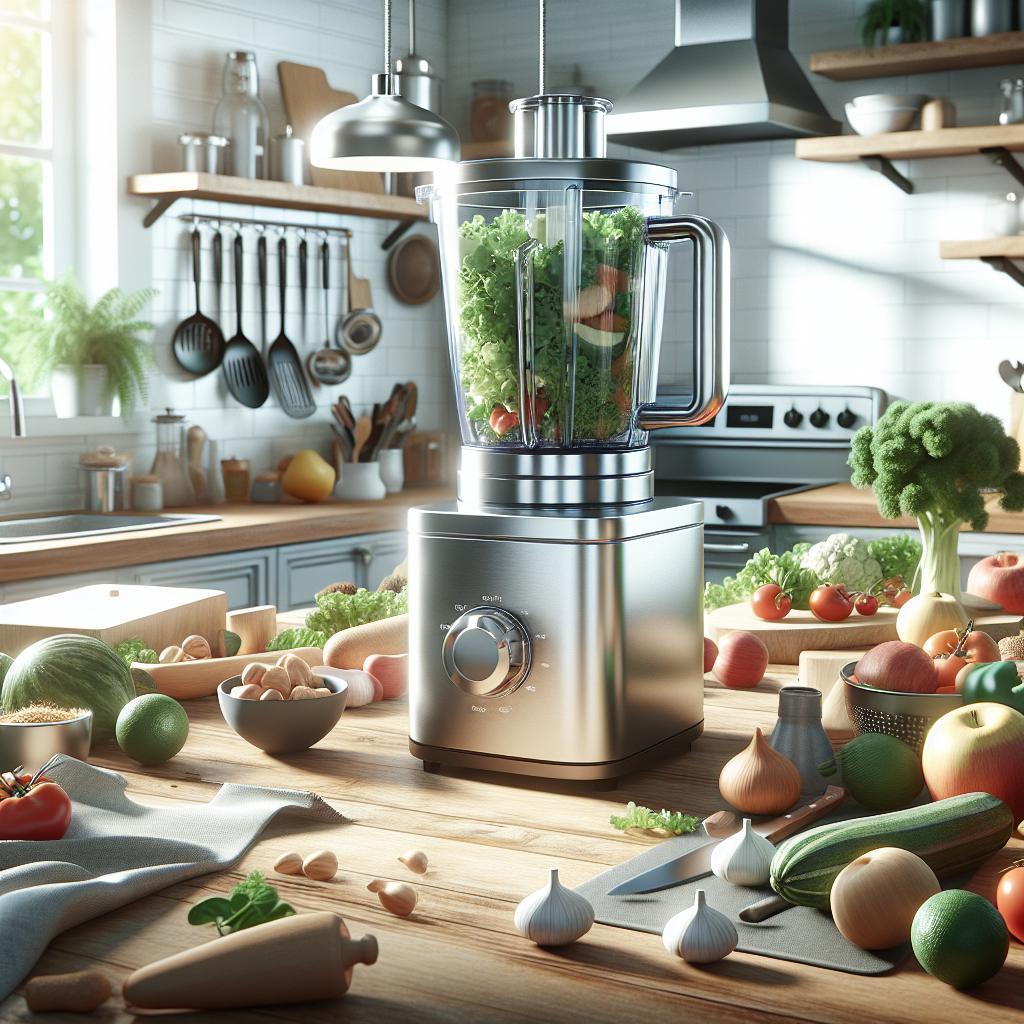

In today’s kitchen, the tools we use play a crucial role in our health journey, making the choice of a non-toxic food processor an essential consideration for health-conscious cooks. With so many options on the market, it’s easy to feel overwhelmed by claims and marketing jargon, but understanding what truly constitutes a safe and effective food processor can empower your culinary adventures. As we navigate through the myriad of materials and features, you’ll discover how the right equipment not only enhances your cooking experience but also aligns with your commitment to a healthier lifestyle. Join us as we explore the best non-toxic food processors that prioritize your well-being without compromising on performance or flavor.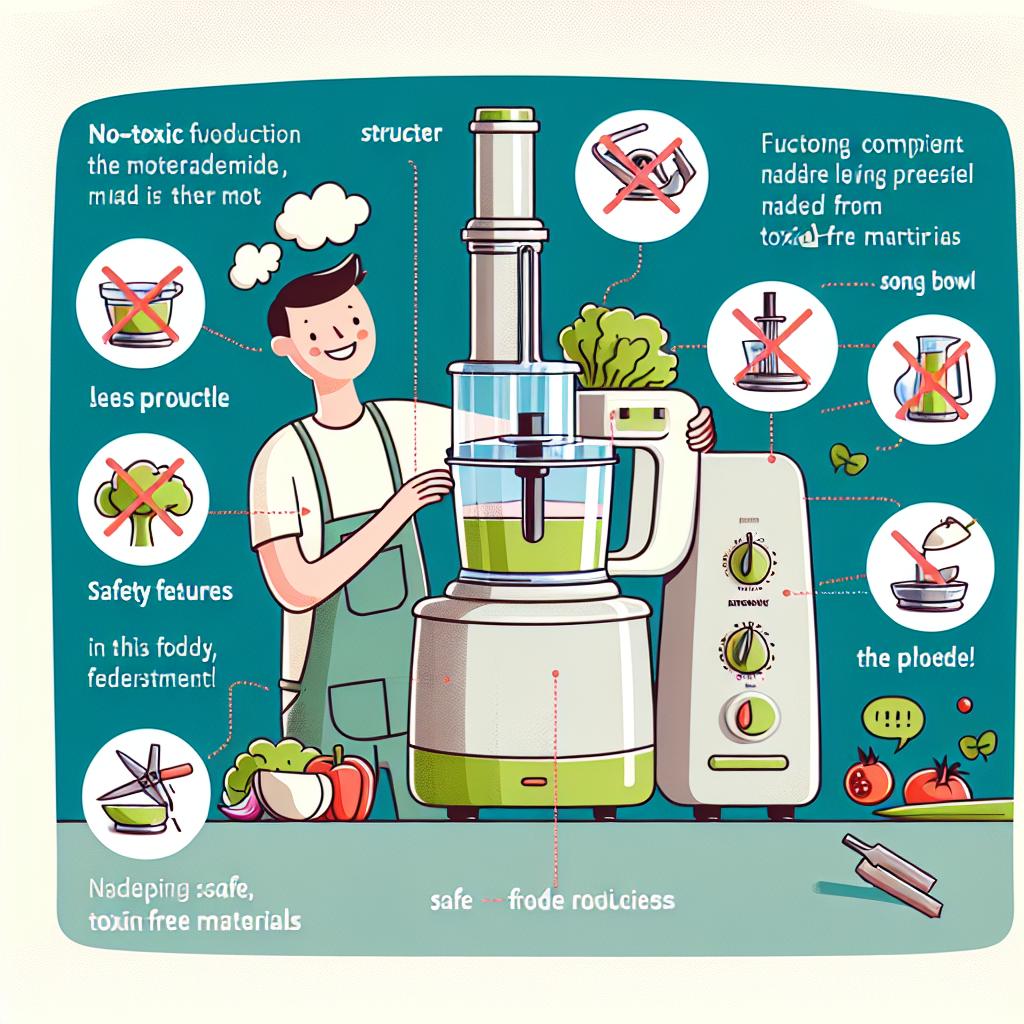
Understanding Non-Toxic Food Processors
When it comes to choosing a food processor, especially for those of us focused on health and wellness, understanding what exactly makes a processor “non-toxic” is key. Just like a chef wouldn’t want to cook with old, rusty utensils, you wouldn’t want to compromise your food safety with appliances that might leach harmful substances into your meals. Picture this: you’re tossing fresh kale, vibrant tomatoes, and all your favorite seasonings into the bowl, but the thought of microscopic BPA or toxic chemicals sneaking into that luscious pesto kinda ruins the moment, right? So, let’s slice through the confusion and get to the heart of the matter.
What Makes a Food Processor Non-Toxic?
Non-toxic food processors are created with materials and coatings that avoid harmful substances commonly found in many kitchen gadgets. Here are a few critical components to look for when searching for your perfect match:
- Materials: Stainless steel and high-quality glass or ceramic are top contenders. Unlike plastic, these materials are durable and don’t allow for harmful chemicals to seep into your food.
- BPA-Free Plastics: If your processor has plastic elements, check if it’s labeled BPA-free. Bisphenol A (BPA) is a chemical that can mimic estrogen, and the last thing we want is our delicious recipes to come with a side of hormonal imbalance.
- Coatings: Look out for manufacturers who ensure their coatings are non-toxic, such as PFOA-free non-stick surfaces. Remember, the less extra “stuff” on your cooking surfaces, the better!
Another critical aspect is the certifications these processors have. Various organic and safety certifications can provide peace of mind, as they indicate a commitment to health-conscious materials and practices. Finding a processor that’s free of heavy metals or harmful dyes can feel like finding a needle in a haystack, but it’s absolutely worth the effort.
Why Non-Toxic Matters
So why should we get all passionate about non-toxic food processors? Imagine inviting friends over for a dinner party; you’ve spent hours prepping fresh organic dishes that are bursting with flavor. But as you serve, you can’t shake the nagging thought that the device you used could be compromising everything you aimed for. The truth is, toxins can accumulate in our bodies over time, leading to potential health issues.
Ongoing research is examining these concerns more closely. Studies show that prolonged exposure to chemicals like BPA could affect everything from your metabolism to your heart health. It’s like trying to run a marathon with broken shoelaces and expecting to finish in the first place. A toxic food processor might not seem like a big deal in a single use, but consistency is key in everything—from workout regimens to what we eat.
Providing yourself with healthy options is about more than just one single meal; it’s a holistic approach to living well. Consider investing a little more in a non-toxic processor not just as a kitchen appliance but as a commitment to your health and wellness journey. You wouldn’t buy plastic-wrapped organic vegetables, so why cut corners on the tools that prep them, right?
Choosing the Right Non-Toxic Food Processor
Navigating this market can feel like a maze, but it’s lined with options that cater to budget and style. Here’s a little table to break down some safe brands that stand out in the non-toxic realm:
| Brand | Material | Features |
|---|---|---|
| Vitamix | Stainless Steel | Variable Speed Control, Durable |
| Cuisinart | Glass, BPA-Free Plastic | Multiple Attachments, Dishwasher Safe |
| KitchenAid | Stainless Steel | Multiple Color Options, Compact Design |
By focusing on safe components, certified brands, and understanding the potential risks of toxins, you can easily navigate through this maze of food processors. Remember, investing in a non-toxic option isn’t just about the appliance; it’s about what you choose to put on your plate, your health, and ultimately, your peace of mind. Plus, you’ll be the proud owner of a kitchen gadget that actually respects your culinary creations—so go ahead and give it the spotlight it deserves!
Key Features of Safe Food Processors
When it comes to blending, chopping, or pureeing, the key features of a safe food processor can make a world of difference—especially if you’re conscious about what goes into your body. It’s not just about slicing onions without shedding a tear or whipping up that dreamy homemade hummus; it’s about doing it with appliances that won’t leach harmful chemicals into your food. So, let’s dive into what makes a food processor safe for those of us who prioritize our health with a side of tasty meals.
Material Matters
One of the biggest factors in choosing a safe food processor is the material it’s made from. You want to steer clear of anything that contains BPA (bisphenol A), which is a nasty little chemical used in many plastics that can mimic hormones and interfere with your endocrine system. Look for appliances made from BPA-free plastics, stainless steel, or glass.
Here’s a quick breakdown of common materials and their pros and cons:
| Material | Pros | Cons |
|---|---|---|
| BPA-Free Plastic | Lightweight, Affordable | Can still wear out over time |
| Stainless Steel | Durable, Non-reactive | Heavier, More expensive |
| Glass | Non-toxic, Easy to clean | Breakable, Heavier |
While the outlay on a high-end processor may send your wallet into a tailspin, consider it an investment in your health—and your kitchen aesthetic!
Ease of Cleaning
Imagine whipping up a stunning kale smoothie, only to find that cleaning the darn device feels like preparing for an archaeological dig. A safe food processor should not only chop fruits and vegetables but also be easy to dismantle and clean. Look for models with dishwasher-safe components (bless those who made this possible) and smooth surfaces that won’t embrace leftover guacamole like an old friend.
Don’t skip out on self-cleaning features either. Some processors allow you to simply add warm soapy water and hit the pulse button. It’s like giving your processor a spa day—without the price tag of a local resort!
Safety Features
The last thing you want is a rogue blade aiming for your fingers while you’re busy concocting gourmet delights. Safe food processors should come equipped with built-in safety mechanisms, such as locks that prevent the processor from operating unless everything is securely assembled. If you’ve ever had a lid pop off when mixing batter, you understand the value of a tight fit!
Consider options with non-slip bases too. Just imagine: you’re precariously chopping carrots, and your processor decides to take a hop across the counter. A slip-resistant grip is your best friend here. Not only does this keep your meals safe, but it ensures you won’t end up chasing your dinner down.
So, when you’re out shopping for your next culinary assistant, keep these features in your kitchen arsenal. They’re not just about health; they’re about peace of mind, too. And if the processor makes a fabulous smoothie while ensuring your safety, then you’ve got a winner!
Materials to Avoid in Food Prep
When you’re whipping up a culinary masterpiece in your kitchen, the last thing you want to worry about is whether your food prep tools are safe. Some materials might look sleek and modern, but they could carry hidden risks that could seep into your meals like an uninvited guest at a dinner party. So, let’s dive into the murky waters of food prep materials to steer clear of.
Plastics with BPA
First and foremost, let’s have a little chat about plastic—specifically the notorious BPA, or Bisphenol A. This chemical is the kind of uninvited guest that not only overstays its welcome but also brings along some questionable friends. BPA is often found in certain plastics, and research has linked it to a variety of health concerns, particularly when it leaches into food. It’s like that mystery ingredient in Aunt Susan’s infamous casserole—only much less tasty!
The safest route? Look for food processors made from BPA-free plastics. It’s not just a marketing gimmick; these alternatives can keep your culinary creations free from harmful chemicals. Stick to stainless steel or glass when you can, as they offer better longevity and safety in your kitchen escapades.
Non-Stick Coatings
Next up, let’s chat about non-stick coatings. Initially a dream come true for those of us who can’t stand scrubbing burnt-on bits from the pots and pans, many non-stick surfaces contain PTFE (Teflon) or PFOA, which can emit toxic fumes at high temperatures. Think of it as that friend who seems fun until they start shouting during karaoke—no one wants that drama while sautéing your veggies!
If you love the convenience of non-stick surfaces, consider opting for ceramic coatings instead. They’re often safer and won’t flake off into your food like an untrustworthy roommate you found on Craigslist.
Low-Quality Metals
Now, let’s not forget about metals. While sturdy metals like stainless steel are your best buddies in the kitchen, lower-quality metal food processors may contain heavy metals such as lead or cadmium. These hidden hazards are like dietary landmines, waiting to detonate your health plans. To keep your food prep free from such threats, invest in high-quality materials, and if possible, check for certifications that ensure their safety.
A quick tip? Avoid using metallic items that have a chipped surface. Just like how you shouldn’t judge a book by its cover, you shouldn’t overlook those small but significant flaws—they could mean trouble.
Table of Materials to Avoid
| Material | Risks | Safe Alternatives |
|---|---|---|
| BPA Plastics | May disrupt hormones & affect health | BPA-free plastics, glass, stainless steel |
| Non-Stick Coatings (PTFE/PFOA) | Can release toxic fumes | Ceramic coatings, stainless steel |
| Low-Quality Metals | May contain heavy metals | High-quality stainless steel, titanium |
In your quest for the perfect food processor, prioritizing safety is essential. With the right information (and perhaps a little humor to lighten the mood), you can confidently navigate the food prep world. Just remember: choose materials wisely, and let your kitchen be a haven for health, not a dungeon of danger!
Benefits of Choosing Non-Toxic Options
Choosing appliances for your kitchen can feel a bit like dating—you want to make the right choice, avoid the toxic ones, and ensure you’re not stuck with something that’s going to leave a bad taste in your mouth (or your gut). When it comes to food processors, opting for non-toxic materials isn’t just a fad; it’s a crucial step for health-conscious cooks. Imagine whipping up a delicious pesto without worrying about microplastics or harmful chemicals leaching into your ingredients. Non-toxic food processors present a practical and safe option, allowing you to blend, chop, and puree with peace of mind while knowing you’re nourishing your body without harmful contaminants.
Health First
Choosing non-toxic options means investing in your health. Many traditional kitchen appliances are made with materials that can contain harmful chemicals, like BPA or lead. Opting for non-toxic choices means you dodge that bullet. Here’s what you gain:
- Better Air Quality: Non-toxic materials often emit fewer volatile organic compounds (VOCs), helping keep your kitchen’s air fresher.
- No Harmful Chemicals: Say goodbye to those pesky chemicals that can leach into your food. Safe materials ensure that your meals are pure and delicious.
- Longer Lifespan: Non-toxic appliances often come with sturdy materials designed to withstand the test of time, making them a smart financial choice as well.
Comfort in Cooking
Cooking should be a joy, not a game of “guess what’s lurking in my blender.” Think of your food processor as your trusty sidekick—reliable, always there for you, and never sabotaging your culinary creations. Non-toxic options add an element of security to your kitchen escapades. When you’re grinding those spices or mixing up a smoothie, knowing that you aren’t inadvertently adding harmful substances to your diet is like finally finding the last piece to your puzzle.
Consider this: imagine your friend Nancy. Every time she used her plastic food processor, she’d get a slight metallic taste in her smoothies, and no one wants to sip on a smoothie that tastes like it was made in a science lab. By choosing a non-toxic option, Nancy has not only enhanced her smoothies but boosted her confidence that what she’s serving to her family is safe and healthy.
Support for the Environment
Let’s not forget about Mother Earth while we’re at it. Going non-toxic isn’t just about personal health; it’s also about embracing sustainability. Many non-toxic food processors are made from eco-friendly materials and are designed with a longer life span in mind. This means less waste—fewer appliances ending up in landfills. Here’s a little table to illustrate:
| Feature | Traditional Food Processor | Non-Toxic Food Processor |
|---|---|---|
| Material Safety | BPA & Chemicals | Free from Harmful Contaminants |
| Durability | Short Lifespan | Robust & Long-Lasting |
| Environment Impact | Contributes to Waste | Eco-Friendly Options Available |
By choosing a non-toxic food processor, you’re essentially sending a love letter to both your health and the environment. So, next time you’re blending up your favorite dip for game night, remember your choice can make a world of a difference—both in your bowl and beyond.
Top Non-Toxic Food Processor Brands
When it comes to selecting a food processor that won’t leech toxic chemicals into our favorite ingredients, knowing which brands to trust is essential. As health-conscious cooks, we want our tools to be as pure as our ingredients, right? That’s why I’ve dug deep into the world of food processors, seeking out those brands that champion safety without sacrificing performance. Let’s chat about the heavyweights in the non-toxic arena—these brands are doing their best to keep our kitchens safe and our meals delicious.
Breville
One name that often pops up in conversations about quality kitchen appliances is Breville. Renowned for their innovative designs, they ensure that their food processors are crafted with materials free from harmful chemicals like BPA. They feature smooth operation, sharp blades, and variable speed settings. Plus, they come in a range of stylish colors that could probably convince your blender to step up its fashion game! As someone who frequently gets their aprons dirty trying out new recipes, I appreciate how a Breville processor makes everything— from chopping veggies to whipping up nut butters—feel like a breeze.
Cuisinart
Who hasn’t heard of Cuisinart? This iconic brand has been a staple in kitchens for decades. Their food processors are made from premium materials, ensuring they are non-toxic and reliable. My sister swears by her Cuisinart for making the perfect pie crust— it never fails to deliver even when she’s trying to multitask with a toddler underfoot! These processors not only perform admirably but also come with various attachments, making them the Swiss Army knives of the kitchen.
Kitchenaid
Let’s not forget Kitchenaid, another crowd-pleaser. Known for their slow and steady approach to quality, their food processors are constructed to be free of toxic materials and are built to last. If kitchen appliances were racehorses, Kitchenaid would be the thoroughbred—sleek, strong, and always ready to impress. Plus, with custom color options, you can find a food processor that matches your kitchen decor as seamlessly as that charming tea towel you bought on sale last summer!
Hamilton Beach
For those of us who love a good bargain, Hamilton Beach offers non-toxic food processors that won’t put too much strain on your wallet. While they might not have the same glamorous name recognition as the others, they do provide a surprising level of performance and safety. They’re straightforward, effective, and might just become your go-to for everyday tasks—like making hummus in bulk, which, let’s be honest, is a staple in most health-conscious homes!
Here’s a quick comparison to help you keep track:
| Brand | Non-Toxic Features | Notable Performance |
|---|---|---|
| Breville | BPA-free materials | Innovative design, versatile functions |
| Cuisinart | Free of harmful chemicals | Reliable for various tasks, great for baking |
| Kitchenaid | Non-toxic components | Stylish, powerful, customizable |
| Hamilton Beach | Cost-effective, safe materials | Great for everyday use, budget-friendly |
Choosing a non-toxic food processor is an important step in creating a healthy kitchen environment, and with options like these, you can feel confident about the tools you use every day. Remember, a happy kitchen is a healthy kitchen, and investing in the right appliances doesn’t have to feel like a chore!
How to Maintain Your Food Processor
To keep your food processor in tip-top shape, it’s crucial to give it some well-deserved TLC. Just like your trusty cast iron skillet, a little maintenance goes a long way in ensuring longevity and optimal performance. Trust me; nobody wants to be the cook with a wobbly, rusty food processor that sounds like a distressed cat whenever it’s used—especially when you’re trying to impress your dinner guests!
Cleaning Like a Pro
First things first, cleaning your food processor properly is essential. Start by disassembling the parts (don’t worry, it’s easier than putting together IKEA furniture!). Most food processors come with a bowl, blade, lid, and sometimes a pusher. Here’s how to keep each component sparkling:
- Bowl: Warm, soapy water and a non-abrasive sponge are your best friends. Give it a gentle scrub, rinse, and let it air dry.
- Blades: Handle these with care—they can be as sharp as your cousin Greg’s sense of humor! Wash them promptly after use to prevent pesky residue from sticking.
- Lid: Don’t forget this part! Just like cleaning your glasses, a clear lid can make a world of difference. Wipe it down with a damp cloth.
For those moments when prepping veggies feels more like an exercise in rocket science, a quick rinse of the assembled parts can save you time. Just make sure you unplug the machine first—safety first, folks!
Storage Solutions
Now that your food processor is squeaky clean, let’s talk about storage. This isn’t just about shoving it into a cabinet like that artwork from your creative phase! Find a designated spot where it will feel at home. Ideally, keep it within arm’s reach, so you’re not performing contortionist feats every time you want to whip up that hummus.
You can also reduce wear and tear by avoiding unnecessary assembly when it’s not in use. Place the bowl, blade, and lid neatly stacked rather than all jumbled together. It’s like a game of Tetris—fit them in snugly without smashing them together!
Regular Checks & Maintenance
Don’t wait for a malfunction to perform a little check-up. It’s advisable to perform a quick inspection regularly. Look for any nicks or cracks on the bowl and check the blades for dullness. You wouldn’t cook with a rusty knife, so don’t blend our poor veggies with a dull blade!
If you ever sense that your food processor is making weird noises or struggling to chop ingredients, it could be time to put on your troubleshooting hat. This might be a simple fix, like cleaning or realigning the components, but if it feels like an insurmountable challenge, reaching out to a professional might not be a bad idea.
By nurturing your food processor with these straightforward tips, you can ensure it stays a reliable kitchen sidekick for all your culinary adventures, from finely chopping to pureeing smoothies. You never know when you might need it to whip up a last-minute recipe or create that impressive dish for a potluck—might as well keep it in peak condition!
Tips for Safe Food Preparation Techniques
When it comes to preparing food safely, it’s a bit like playing a game of Jenga—one wrong move, and things can come crashing down. In the kitchen, unsafe food preparation techniques can lead to more than just a ruined dinner; we’re talking about bacteria, cross-contamination, and other nasty surprises that could turn your culinary adventure into a health hazard. So, let’s tighten our aprons and dive into some practical, easy-to-remember tips to keep our kitchens safe while we whip up tasty, toxin-free dishes.
Cleanliness is Key
First and foremost, good hygiene is non-negotiable. Think of your kitchen surfaces as a blank canvas; keep them spotless to paint a picture of deliciousness!
- Wash Your Hands: We’ve all heard this one a million times, but it bears repeating! Use soap and warm water for at least 20 seconds, especially after handling raw meat or poultry.
- Sanitize Surfaces: Countertops, cutting boards, and utensils can harbor harmful bacteria. Wipe them down with a food-safe sanitizer or a mix of vinegar and water before you start your food prep.
- Clean As You Go: This isn’t just a cute kitchen catchphrase! After each task, give your tools and surfaces a quick wipe. It helps prevent cross-contamination and keeps the chaos at bay when you’re elbow-deep in flour. Trust me, your future self will thank you!
Smart Food Handling
Now that you’ve conquered cleanliness, let’s chat about handling food like a pro. This isn’t just about what you do in the kitchen; it’s also about where your ingredients come from and how they’re treated.
- Separate Raw and Cooked: Never let raw chicken and your freshly chopped veggies mingle on the same cutting board! It’s like inviting a wolf into the sheep pen. Use designated cutting boards for raw meats and another for vegetables.
- Check Your Storage: Keep your fridge organized! Store raw meat on the bottom shelf to avoid any *oops* moments where juices drip on other foods. Consider using clear containers to keep it all visible—no more scavenger hunts!
- Know Your Safe Temperatures: Use a meat thermometer to ensure that meats are cooked to safe temperatures. The USDA recommends 165°F for poultry, 145°F for fish, and 160°F for ground meats. It’s a small investment for peace of mind!
Watch Out for Allergens
In our increasingly diverse food landscape, allergies are more common than you’d think. If you’re cooking for yourself or guests, understanding food allergies is key to safe meal prep.
| Common Allergens | Safe Alternatives |
|---|---|
| Peanuts | Sunflower Seed Butter |
| Dairy | Almond Milk or Coconut Yogurt |
| Gluten | Quinoa or Rice |
| Eggs | Flaxseed Meal + Water (1 tbsp + 3 tbsp water) |
Just because you love your grandmother’s famous peanut butter cookies doesn’t mean your friend Karen can nibble on them. Always ask about allergies before making meals for others, and consider labeling dishes if you’re hosting a potluck. Trust me, there’s always one friend who’s allergic to something obscure—like cinnamon, for instance!
These tips should help keep you and your kitchen safe, and they can even spice up your food prep routine! After all, a healthy chef is a happy chef. Now, go on and channel your inner Gordon Ramsay, minus the yelling. You got this!
FAQ
What is a non-toxic food processor, and why is it important for health-conscious cooks?
A non-toxic food processor refers to a kitchen appliance specifically designed without harmful materials such as BPA (Bisphenol A), heavy metals, or toxic coatings. These processors are made from safer materials like glass, stainless steel, or BPA-free plastics, ensuring that the food prepared in them does not absorb any dangerous chemicals. This is particularly important for health-conscious consumers who are increasingly aware of how food preparation tools can impact their health and the quality of their meals.
For example, studies have shown that BPA can leach into food from certain plastics, potentially leading to adverse health effects such as hormonal disruptions and increased risk of chronic diseases. As people become more educated about these risks, choosing non-toxic appliances becomes a vital step in promoting a healthier lifestyle. Moreover, preparing meals in non-toxic cookware and food processors contributes to overall wellness, as it reduces exposure to potentially harmful substances during cooking and eating.
What materials should I look for in a non-toxic food processor?
When selecting a non-toxic food processor, it’s essential to consider the materials used in its construction. The best non-toxic options typically feature:
- Stainless Steel: Known for its durability and resistance to staining, stainless steel is a great choice for blades and bowls because it does not react with food and is free from harmful coatings.
- BPA-free Plastic: If plastic is used, ensure it is labeled BPA-free. While some plastics can be of concern, many brands now produce food-safe plastics that are free from harmful chemicals.
- Glass: Offering several benefits, glass containers are non-porous and do not leach chemicals into food. They are also easy to clean and can handle high temperatures.
Choosing a food processor made with these materials helps ensure that cooking remains safe and free from unwanted toxins. It is also advisable to check for certifications such as FDA approval or materials labeled as food-safe to add an extra layer of assurance regarding their safety.
Are there any specific brands known for producing non-toxic food processors?
Yes, several brands have established reputations in the market for producing non-toxic food processors. Noteworthy examples include:
- Cuisinart: This brand is well-loved for its reliable performance and range of BPA-free plastic food processors. They offer a variety of sizes and functions catering to different culinary needs.
- Breville: Renowned for its high-quality kitchen appliances, Breville includes models made with stainless steel components and BPA-free plastic. Their food processors are known for their power and innovative features.
- KitchenAid: A customer favorite, KitchenAid provides food processors that are not only stylish but also made with safe materials. They offer various attachments, making food preparation versatile and convenient.
Investing in these reputable brands helps ensure that you’re using a product that values your health. Before purchasing, reading customer reviews and checking product specifications can further guide you in selecting a truly non-toxic option.
How do non-toxic food processors differ in performance compared to traditional ones?
Non-toxic food processors are designed to perform at a high level while prioritizing health safety. They often feature powerful motors and sharp blades, much like traditional food processors. However, the key differences lie in the materials used and the absence of toxic substances.
For example, a non-toxic processor may have a better overall structure, made with materials that provide enhanced durability over time. More importantly, food processed in these appliances does not face contamination from harmful chemicals that can leach from inferior materials. This means that not only does the processor operate effectively, but it also safeguards the nutritional integrity of the food being prepared.
It’s also worth noting that non-toxic food processors can still achieve the same results in chopping, slicing, and pureeing as their conventional counterparts, ensuring you don’t compromise on taste or texture. When comparing performance, reading the detailed specifications and customer feedback is critical, as these insights can highlight the real-life efficiency of each model.
How can I maintain my non-toxic food processor to ensure its longevity and safety?
Proper maintenance of your non-toxic food processor is essential for ensuring its longevity and continued safety. Here are several tips to keep it in optimal condition:
- Regular Cleaning: After each use, disassemble the food processor and thoroughly clean all parts. Most non-toxic food processors have components that are dishwasher safe; however, handwashing with warm soapy water can ensure all residues are removed effectively.
- Inspect Seals and Blades: Regularly check the rubber seals and blades for wear and tear. If you notice any damage, replace these immediately to maintain safety and performance.
- Avoid Abrasive Cleaners: Take care not to use harsh chemicals or abrasive cleaning materials, as they can damage the surface of your processor and potential non-toxic coatings.
Maintaining these practices will help to not only extend the lifespan of your food processor but also keep it safe for food preparation. Additionally, keeping up with the manufacturer’s guidelines can often provide specific care tips tailored to your model and enhance its effectiveness over time.
What are the cost implications of non-toxic food processors versus traditional ones?
There is often a perception that non-toxic food processors are more expensive than traditional models; however, this price difference can be attributed to the quality and safety of materials used. While the initial investment may be higher—ranging from $100 to $500 depending on brand and features—the long-term benefits typically outweigh the costs.
Purchasing a non-toxic food processor can lead to better meal preparation with improved health outcomes, potentially reducing medical costs associated with exposure to harmful materials. Moreover, many of these processors are designed for longevity. Investing in a good quality product means you are less likely to need frequent replacements, which can save money over time.
As the demand for non-toxic kitchen appliances grows, prices are becoming more competitive. Consumers can find a variety of options across different budgets, allowing a wider range of people to invest in healthier cooking tools without breaking the bank.
In Summary
choosing a Non-Toxic Food Processor: Safe Options for Health-Conscious Cooks isn’t just a matter of personal preference—it’s an investment in your health and well-being. With options that eschew harmful chemicals and materials, you can blend, chop, and puree with peace of mind, knowing that you’re creating nutritious meals without the added worry of toxic exposure.
Remember, the kitchen is your canvas, and a high-quality, non-toxic food processor is your brush. Whether you’re whipping up a kale smoothie or a nutritious nut butter, the right processor can elevate your culinary creations while aligning with your health-conscious lifestyle. With the data we’ve explored and the examples of reputable brands—like Braun, Cuisinart, and Breville—you are equipped with everything you need to make an informed choice.
So, trade in that old contraption that’s seen better days and invest in a kitchen powerhouse that’s as safe as it is effective. After all, cooking should be as enjoyable as it is nourishing, and who wouldn’t want to say, “I blend, therefore I am” without any toxic guilt? Here’s to blending your way to a healthier future—one delicious dish at a time!
Get our latest guides, news, and insights highlighted in your Google Search & AI Overviews.