


Are you on a quest for the perfect non-toxic bread maker that churns out safe and delicious loaves? Look no further! In a world where health-conscious choices are more important than ever, finding a bread maker that prioritizes safety without compromising on taste can feel overwhelming. But fear not—this guide will help you navigate through the noise, showcasing five top picks that promise to blend wholesome ingredients with delightful flavors. Get ready to elevate your home baking experience with confidence as we dive into the best non-toxic bread makers on the market!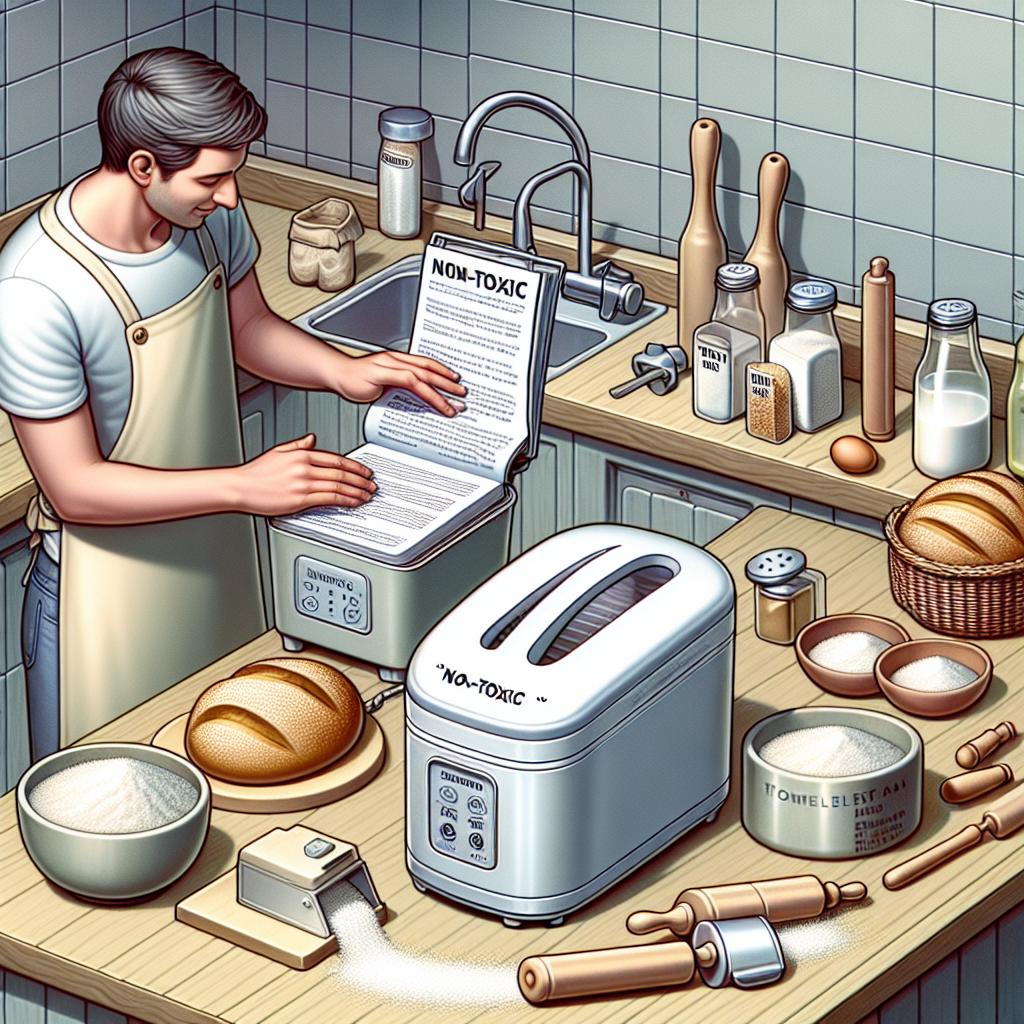
Understanding Non-Toxic Bread Makers
When you’re on a quest to craft the perfect loaf of bread, you might not just want it to be delicious—you probably want it to be safe too. Non-toxic bread makers have emerged as shining knights in the realm of home baking, offering the bliss of freshly baked bread without the lurking dangers of harmful materials. Think about it: your bread maker, a cozy little kitchen companion, shouldn’t be an undercover agent for harmful chemicals, right? It’s all about making wise choices that keep both our tummies and our wellbeing happy.
Identifying Non-Toxic Features
First off, it’s crucial to understand what makes a bread maker non-toxic. Most traditional bread makers may contain Teflon or other non-stick coatings that could puff out nasty fumes when overheated. No thanks! Look for options that use stainless steel, glass, or ceramic for non-toxic cooking surfaces. These materials are like the reliable friends who don’t bail on you when you need them—they don’t leach harmful chemicals, and they’re super easy to clean!
Additionally, keep an eye out for bread makers with BPA-free plastic components. BPA, or bisphenol A, is a chemical that’s been linked to various health issues. If you’re thinking, “Great, now I must play detective while shopping,” don’t worry! Most manufacturers are increasingly transparent about the materials they use. A quick glance at the product specs can save you a world of trouble and the need for long-term chiropractor visits due to bread maker-induced stress.
The Benefits of Going Non-Toxic
Going for a non-toxic bread maker not only means you’re baking sans toxic chemicals but also that you’re on the threshold of a healthier lifestyle. Instead of swirling around unfriendly substances, you can whip up wholesome loaves filled with organic grains, nuts, and seeds. Plus, homemade bread wins in taste! I mean, what’s better than the aroma of freshly baked bread wafting through your home, right?
Furthermore, homemade bread aids in portion control. When you bake your own loaves, you’re the boss. Ever thought about how many slices are too many? Bake your bread, and you can enjoy an “all-you-can-eat” buffet at home without the guilt. Plus, research shows that the act of baking can be therapeutic—a little kitchen therapy, if you will! So, go ahead, unleash your inner baker and let your bread maker help you create culinary masterpieces without the toxic additives.
Making an Informed Choice
Now that you’re armed with knowledge, it’s important to do a little research before diving into your purchase. Consider reading reviews or joining community forums—you’ll often find enthusiastic bakers sharing their experiences. It’s like taking a stroll down your neighborhood to gather whispers over the best pizzerias, just less greasy and way more wholesome!
When browsing, look for brands that focus on sustainability and ethical manufacturing practices. Previously unrecognized companies are stepping into the limelight, creating fantastic bread makers that prioritize your health and the environment. There’s an ongoing movement, much like a gluten-free underground club, pushing for cleaner, healthier appliances, and you can be a part of it with your conscientious purchase.
So, embrace the world of non-toxic bread makers! With your new kitchen companion, you get to channel your inner artisan baker while also protecting your plate and your planet. Now, who’s ready to make some sourdough magic? 🍞✨
Benefits of Using Safe Baking Appliances
There’s something truly satisfying about the smell of freshly baked bread wafting through your kitchen, isn’t there? But let’s not sugarcoat things—when it comes to baking, the ingredients and the appliances you use matter. Using safe and non-toxic baking appliances translates into more than just peace of mind; it affects your health and the environment. So, if your bread maker is spewing out harmful chemicals while you’re trying to whip up a rustic sourdough, it might be time to set your sights higher (and cleaner).
Why Non-Toxic Is the Way to Go
Imagine biting into a warm slice of bread, only to find the taste tainted by the invisible fumes of toxins leaching from your appliance. Sounds like a horror movie, right? Fear not! Using safe appliances ensures that your loaves are not just delicious, but also free from harmful substances like BPA, phthalates, and other chemical nasties. Here’s what you can look forward to:
- Health Benefits: Non-toxic appliances reduce your exposure to harmful chemicals that can sneak into your food.
- Improved Taste: Cooking equipment made from quality, non-toxic materials enhances the natural flavors without imparting any unwanted aftertastes.
- Eco-Friendly: Safe baking appliances often come from sustainable sources, so you can feel good about your impact on Mother Earth.
Ever notice how some bread tastes better at your local artisan bakery compared to store-bought? Partly, it’s about quality ingredients and partly—believe it or not—it could be the equipment used in the baking process!
The Reliability Factor
When you invest in a non-toxic bread maker, you’re not just buying a fancy gadget; you’re investing in a trustworthy companion for your culinary adventures. Cheap, made-in-a-rush appliances might beep and whir, but who knows what’s cooking – literally? High-quality, non-toxic options offer:
- Durability: Non-toxic materials tend to last longer and perform better over time.
- Consistent Results: Quality appliances help achieve that perfect loaf, time after time, instead of leaving you with a “what was I thinking?” experiment.
- User-Friendly Features: Many come equipped with smart features that take the guesswork out of baking—perfect for those who might burn water!
Remember that time when you realized you had been using rendered cookware that could put a science lab to shame? It’s a real “whoops” moment. Investing in safe appliances ensures that your baking experiences are filled with joy, not regrets.
Taking It One Slice at a Time
Diving into the world of non-toxic baking isn’t just a trend—it’s a lifestyle. The market is buzzing with options designed to cater to health-conscious bakers who don’t want to compromise on flavor. Ongoing research continually sheds light on the importance of avoiding harmful substances, creating a culture that’s likely to evolve further over time as consumers become more aware.
If you’re still on the fence, consider trying a small batch of bread with your trusted appliance. That first warm, yeasty slice might just win you over! Keep an eye out for industry standards such as FDA approval or certifications from organizations focused on safety and sustainability. Happy baking, and may your loaves be ever fluffy!
Key Features to Look for in Bread Makers
When you’re on the hunt for a bread maker that’s as safe as it is delicious, knowing what features are essential can make all the difference. With the plethora of options out there, it’s easy to get swept up in all the bells and whistles. But let’s cut through the fluff—there are some key elements to keep in mind that will help you score a non-toxic, bread-baking buddy without losing your mind (or your health).
Material Safety
First things first, take a deep dive into the materials used in the bread maker. You want to make sure it’s free from harmful substances like BPA or phthalates. Look for models with stainless steel and non-toxic plastic components. These materials not only enhance durability but also ensure that your kitchen doesn’t double as a chemistry lab. Your new bread maker should be like a trustworthy friend—solid on the outside and safe on the inside!
Ease of Use
Next up: functionality! Bread makers can sometimes feel like rocket science, especially if you’ve just left the wild world of pre-packaged breads behind. Check for user-friendly controls and settings that suit your baking needs—from gluten-free options to whole grain settings. A delay timer can also be a game-changer—imagine waking up to the smell of freshly baked bread! Just watch out for overly complicated menus; it shouldn’t require a PhD in breadology to find the right setting.
Size and Capacity
Then, let’s talk size. If your kitchen can barely fit your avocado stash, you might want to consider a compact model. But if you live in a household that believes in second breakfast like Hobbits, a larger capacity could be your best friend. Models typically range from 1.5 to 2.5 pounds per loaf, so consider your crowd and munching habits before making a choice. Remember, nobody wants to be slap-fighting over the last slice of homemade sourdough!
Versatility and Customization
What about your inner artisan baker? The best bread makers allow you to customize your creations—think crust color settings, kneading times, and even the ability to bake non-bread items like jams or cakes. Each feature can feel like adding a new tool in your kitchen tool belt, so you can explore the wild world of bread-making without feeling penned in by pre-set cycles.
Cleaning and Maintenance
Lastly, keep maintenance in mind. A bread maker should fit seamlessly into your life—and that includes easy clean-up. Look for models with a non-stick pan that can pop out for hassle-free maintenance. Nobody wants to scrub bread crumbs like they’re on a mission to save the world. Look for removable parts that are dishwasher safe for the ultimate win.
Armed with these insights, you’re now ready to embark on your journey to find the perfect non-toxic bread maker!
Comparing Performance and Safety Ratings
When it comes to the world of bread-making, performance and safety ratings are not merely technical jargon tossed around by appliance enthusiasts; they’re crucial factors that can determine whether your homemade sourdough ends up looking like a culinary masterpiece or a science experiment gone wrong. You want that golden crust, soft crumb, and the undeniable aroma wafting through your kitchen. But hold on a minute—this is a non-toxic bread maker we’re talking about! That means performance shouldn’t just be about how well it kneads the dough; it also needs to be safe, free from harmful substances and materials.
Performance Metrics to Consider
When diving into the performance of these bread makers, look out for several key metrics:
- Kneading Efficiency: How quickly and effectively does the machine mix and knead ingredients? A strong, steady knead is essential for gluten development, so your loaf rises like it owns the place.
- Temperature Control: Ideal bread-making requires a delicate dance of heat. Machines with adjustable temperature settings can significantly improve the quality of your bread. Too hot? You might get burnt edges. Too cold? The dough could languish in mediocrity.
- Timer Functionality: A bread maker with a programmable timer is like setting your morning alarm—only instead of waking up to an annoying noise, you rise to the smell of freshly baked bread. Look for those with 12 or more settings for different types of dough—because why not do pizza night too?
Safety Ratings That Matter
When it comes to safety, you want to make sure that the materials used in your chosen bread maker aren’t producing a side of chemicals with your carbs. Here are a few aspects to keep in mind:
- Material Composition: Ensure the interior is made with non-toxic, food-grade materials. Stainless steel is the gold standard here, while cheap plastic can leach harmful chemicals into your dough.
- Certification: Look for devices with certifications such as UL (Underwriters Laboratories) or CE (Conformité Européenne) which indicate that the appliance meets safety standards. Realizing your machine has passed rigorous safety checks feels like finding a secret cookie jar in your grandma’s kitchen—unexpectedly delightful!
- User Feedback: Sometimes, safety ratings are best reflected in user reviews. A product might boast high-tech features, but if users consistently report breakdowns or concerns about safety over time, that’s a major red flag—bigger than the one you hoisted on your freshman’s football field.
A Quick Comparison Table
To help you make the right decision without feeling like you’re running in circles at a bread fair, here’s a concise comparison table of some top-rated non-toxic bread makers, highlighting their performance and safety features.
| Brand | Kneading Efficiency | Safety Rating | Temperature Control |
|---|---|---|---|
| Brand A | High | UL Certified | Adjustable |
| Brand B | Medium | CE Certified | Fixed |
| Brand C | Excellent | UL Certified | Adjustable |
Not only should you bake with peace of mind knowing your appliance isn’t a ticking time bomb of toxicity, but you should also enjoy the efficiency that helps you channel your inner baker. As you munch on your artisanal creations, remember—it’s all about balancing performance with safety! After all, no one wants to be the star of a bread-baking horror story. So go forth, mix, knead, and don’t forget to click “save” for all your prized recipes!
Choosing the Right Non-Toxic Materials
Selecting non-toxic materials for your bread maker is akin to choosing the finest ingredients for your sourdough starter – it’s essential for both health and taste! When we’re talking about non-toxic kitchen tools, it’s not just about avoiding harmful chemicals; it’s also about ensuring the materials promote a positive baking experience. Think of your bread maker as your trusty sidekick; you wouldn’t want it to be made of shady materials, right?
Material Matters
When browsing through options, here are some materials you might encounter that are generally well-received in the non-toxic community:
- Stainless Steel: A favorite for many, stainless steel is both durable and easy to clean. Plus, no leaching worries here – your bread gets zero contaminants!
- Glass: If you love that vintage feel, glass is a fabulous choice. It’s non-reactive and elevates your kitchen decor. Just watch out for that clumsiness factor; a dropped glass bowl can become an avant-garde piece of kitchen art!
- Food-Safe Ceramic: This material keeps your dough happy without the toxins. Just ensure it’s labeled food-safe. Not everything that looks cute at a flea market is fit for your bagels!
- Silicone: Flexible and non-stick, silicone is popular, but make sure you’re opting for FDA-approved silicone to keep those baking vibes healthy.
What to Avoid
In this quest for non-toxic bliss, some materials can be as troublesome as a stubborn piece of dough refusing to rise. Here’s a rundown:
- Teflon: Often found in non-stick pans, Teflon can release harmful chemicals when overheated. Say no to bread that could be cross-contaminated!
- Aluminum: Unless it’s anodized, aluminum can react with acidic foods, which is just not the kind of reaction we want in our kitchen. Folks, let’s save the drama for our soap operas!
- Plastic: While some plastics might claim they’re BPA-free, the alternatives can be just as sketchy. If it doesn’t feel right, it probably isn’t.
Research and Opinions
It’s great to know the materials, but remember that research on toxicity is ever-evolving. Scientists are constantly studying the long-term effects of materials in our kitchens. What’s deemed “safe” today might be under scrutiny tomorrow. Chat with fellow bakers, watch the latest cooking shows, or read user reviews to keep your ear to the ground. Forums and blogs can be gold mines of information, where you can find insights from those who have already embarked on their non-toxic baking journey.
Speaking of which, always look for brands that publish clear safety certifications – a badge of honor, if you will! It’s like having the local baker vouch for your bread-making tools. And don’t forget to test out your new gear with a batch of those gooey cinnamon rolls you’ve been dreaming about. Trust me, nothing feels better than enjoying pastries made with peace of mind!
User Reviews: Real Experiences with Bread Makers
When diving into the world of bread makers, the array of choices can feel overwhelming. But fear not—real user experiences often illuminate the path to the perfect bread maker. From crusty sourdough experiments to fluffy sandwich loaves, the stories and reviews from fellow home bakers may just inspire you to knead that dough and unleash your inner baker. Let’s take a moment to savor these flavors of feedback!
User Experiences and Insights
One user, Julie from Austin, swears by her Zojirushi Virtuoso+ Bread Maker. She describes it as “the Swiss Army knife of bread machines.” Not only can it bake a perfectly even loaf, but she loves how non-toxic materials make her feel safe feeding her family. “I never thought making bread could be this easy! Plus, the dual kneading blades mix everything like a pro,” she adds with a wink. Bottom line? She’s throwing away her golden brown store-bought loaves for the heavenly aroma wafting through her own kitchen.
Another review from Mark in Portland gives us a chuckle as he navigated his first bake with the Breville Custom Loaf Bread Maker. He recounts: “I thought I was a bread whisperer until I accidentally used the wrong setting and ended up with a brick instead of a baguette.” But, as Mark shares, once he got the hang of the machine, the taste of his homemade loaves “was worth every crumb of embarrassing failure.” He values the custom settings and easy cleanup, declaring the machine “a keeper despite my initial dough dilemmas.”
What Do Other Users Think?
Let’s hop over to the Cuisinart Compact Automatic Bread Maker, which has won the hearts of many foodies. Sarah from New York shouts praises about its sleek design and straightforward operation. “This machine is my baking buddy,” she says, “it makes both gluten-free and regular bread taste sensational.” Her advice? “Start with simpler recipes and work your way up—no one wants a dinner roll disaster!” A smart move, especially if you’re planning a lavish dinner party or just a cozy night in.
To give you a clearer picture, here’s a compact table summarizing users’ top points of view on some selected models:
| Model | Pros | Cons |
|---|---|---|
| Zojirushi Virtuoso+ | Even baking, multiple settings | Higher price point |
| Breville Custom Loaf | Custom settings, great for beginners | Can be tricky at first |
| Cuisinart Compact Automatic | User-friendly, space-saving | Smaller capacity |
So, whether you’re a seasoned baker like Julie or a brave novice like Mark, it’s clear that your choice of bread maker can significantly affect your baking adventures. Stay curious, experiment, and remember to have fun—after all, cooking is a journey that’s just as delicious as the end result. Keep those loaf experiences coming; who knows what tasty tales await once you break in your new machine!
Tips for Maintenance and Care of Bread Makers
Maintaining your bread maker is as vital as finding the perfect gluten-free flour or the softest kneading dough. Think of it as caring for a beloved pet—feed it, clean it, and give it a little TLC. Ignoring maintenance can lead to unfortunate situations, like a loaf that rises with the enthusiasm of a deflated balloon. So, let’s ensure your bread machine stays as cheerful as a golden crust. Here are some tips to keep that appliance working like a charm.
Keep It Clean
Cleaning is your bread maker’s best friend! After each use, make it a habit to wipe down the exterior with a damp cloth. For the interior, it’s a little more involved but totally doable. Remove the bread pan and kneading blade and give them a good wash with warm, soapy water. No need for harsh cleaners; you’re making bread, not detoxing from a chemical spill!
Here’s a quirky tip: When cleaning the kneading blade, imagine you’re doing a dance-off with the dough. Twist, shake, and make sure every nook and cranny is dough-free. You see, an unclean bread maker is just like your favorite loaf left unattended—it can get a little stale!
Check for Wear and Tear
Just like your running shoes need replacing after too many miles, your bread maker may show signs of wear over time. Inspect the bread pan for scratches or signs of wear that could lead to sticking. If you find the non-stick coating peeling away like Monday morning motivation, it’s time to consider replacing it.
But don’t just focus on the visible. Check the power cord and plug for any frays or burn marks. This is similar to spotting that first gray hair—it’s time to address it before it carries more significant implications. Regularly assessing these parts will not only extend the life of your machine but also keep your kitchen safe.
Know Your Settings
Every bread maker comes with a variety of settings, often more than a local diner’s menu. Familiarize yourself with these settings for the best results—nothing worse than ending up with a loaf as dense as a brick! You’ve got options for different types of bread, and some machines have gluten-free settings. It’s like having a party tailored to every guest—fun and inclusive!
Take the time to experiment! Don’t be shy about trying recipes that test the limits of your machine. The worst that can happen? You end up with a pancake instead of a fluffy loaf. But it’s all part of the learning curve! And hey, even the best bakers have had some spectacular flops. It’s why we have butter and jam, right?
Store Properly
After all that hard work, how you store your bread maker is crucial. Keep it in a dry, cool location, away from direct sunlight. An overly hot environment can warp parts and make your machine crankier than a toddler without a nap!
If you’re not using it for a while, make sure it’s unplugged, and store the accessories inside it. It’s like tucking your kid’s toys away for the night—less clutter and everything stays together. Plus, when you’re ready to bake your next loaf, all you have to do is pull it out and plug it in. Simple as that!
Remember these care tips, and your bread maker will reward you with delicious, golden loaves for years to come. And who knows? Your friends might just be lining up at your doorstep, hungry for their next fix of homemade goodness!
Faq
What is a non-toxic bread maker, and why should I consider one?
A non-toxic bread maker is a kitchen appliance that is designed to bake bread without the use of harmful materials that could leach into your food. Traditional bread makers often contain non-stick coatings and plastics that may release chemicals, particularly when exposed to high temperatures. A non-toxic alternative typically features materials like stainless steel, ceramic, or glass, ensuring that your homemade bread doesn’t carry potentially harmful residues.
Choosing a non-toxic bread maker can greatly enhance not only the safety of your food but also the flavor and quality of your bread. For instance, many consumers report that bread made in a stainless steel or ceramic bread maker has a better taste and texture compared to those made in conventional machines. Research has shown that certain chemicals found in traditional kitchen wares have been linked to health risks, including hormone disruption. Thus, opting for a non-toxic bread maker can be part of a broader initiative towards a healthier lifestyle.
What are the top five non-toxic bread makers currently available?
In an increasingly health-conscious market, several brands have emerged that prioritize both safety and performance in their bread making. The following five have been recognized as the top picks due to their materials, functionality, and consumer reviews:
- Panasonic SD-YD250: This model uses a non-stick, PFOA-free pan and offers multiple settings for different types of bread, including gluten-free options.
- Cuisinart CBK-200: Known for its stainless steel housing and ceramic baking pan, this bread maker combines sleek design with user-friendly features.
- Breville BBM800XL: Featuring a collapsible kneading blade and a non-toxic coating, this model allows for customizable bread-making experiences.
- Zojirushi BB-PDC20BA: With its dual kneading blades and ceramic-coated baking pan, this high-end option is perfect for serious bakers.
- Hamilton Beach 29882: This budget-friendly choice offers a non-stick pan and a simple interface with a variety of preset functions.
These selections have been vetted for their safety features while also delivering quality bread, ideally matching various consumer needs and preferences.
How do I choose the right non-toxic bread maker for my needs?
When selecting the perfect non-toxic bread maker, there are several factors to take into account:
- Material Composition: Look for bread makers made from materials like stainless steel, ceramic, or glass. Ensure that any non-stick coatings are PFOA-free or made from safe alternatives.
- Size and Capacity: Consider how much bread you typically bake. Bread makers come in different capacities, so choose one that aligns with your household’s consumption.
- Baking Functions: Evaluate the machine’s settings. Some machines offer options for gluten-free bread, different crust colors, or even jam and cake functions. The more versatile, the better for experimenting with various recipes.
- User Reviews and Ratings: Research customer reviews to gauge real-world performance and safety experiences. Websites like Amazon and specialty kitchen equipment stores often feature comprehensive reviews that highlight pros and cons.
Additionally, if possible, try to see the bread maker in person. Assess its build quality and ease of use; a well-designed, user-friendly machine can significantly enhance your baking experience.
What advantages do non-toxic bread makers offer over traditional ones?
Non-toxic bread makers present several distinct advantages over their traditional counterparts, primarily focusing on health and quality:
- Health Benefits: The primary benefit is the reduction of harmful chemicals. Many traditional bread makers may have non-stick coatings containing perfluorochemicals (PFCs), which have been under scrutiny for their health risks. Non-toxic models mitigate these risks by using safer materials, giving peace of mind to health-conscious consumers.
- Food Quality: Non-toxic materials, particularly stainless steel and ceramic, are not only safer but can also improve the flavor profile of the bread. Chemicals found in traditional coatings can sometimes warp the flavors of your ingredients, while non-toxic options allow for better heat distribution and retention, resulting in evenly baked, delicious loaves.
- Durability: Non-toxic appliances tend to boast increased durability over traditional ones. For example, stainless steel and ceramic surfaces are less likely to scratch or degrade over time, making your investment last longer. This longevity frequently leads users to save money in the long run, as they won’t need to replace their appliances as often.
Are non-toxic bread makers more expensive than traditional options?
When considering the cost of non-toxic bread makers, it’s essential to understand that they might carry a higher initial investment compared to some lower-end traditional models. However, the pricing varies widely based on brand, materials, and features. You can find non-toxic bread makers starting around $100, while premium options could exceed $300.
It’s crucial to view this as a long-term investment rather than a one-time expenditure. The health benefits and improved baking quality often justify the price difference. Moreover, with their enhanced durability, non-toxic bread makers can save consumers money over time by avoiding the frequent replacements associated with traditional models with inferior materials.
Additionally, consider the broader benefits of home baking. Making your bread allows for control over ingredients, promoting a healthier lifestyle. This does not just translate to better choices but can also mean savings in grocery bills over time, especially in comparison to purchasing high-quality artisanal bread.
How do I maintain and care for my non-toxic bread maker?
Proper maintenance and care for your non-toxic bread maker will prolong its life and maintain its performance. Here are some tips to help you keep it in great condition:
- Cleaning: After each use, allow your bread maker to cool down, then remove the pan and kneading paddle. Wash them in warm, soapy water and avoid abrasive cleaners or scrubbers that could scratch the surface. Most stainless steel or ceramic parts are dishwasher-safe, but consult your manual for specific cleaning instructions.
- Avoid Overloading: Follow the manufacturer’s guidelines regarding ingredient quantities. Overloading the pan may lead to uneven baking and could eventually damage the appliances.
- Storage: Store your bread maker in a clean, dry place. If you typically use it less frequently, consider covering it with a cloth to keep dust out. Regular cleaning of the exterior can also help prevent any build-up of grime.
By following these maintenance practices, your non-toxic bread maker will not only serve you well for years but will also consistently produce delicious, safe loaves. Regular upkeep promotes hygiene in your baking process and contributes to the overall performance of your machine, ensuring each batch of bread is as good as the last.
Insights and Conclusions
as we delve into the world of home-baked goodness with our article on “Non-Toxic Bread Maker: 5 Top Picks for Safe and Delicious Loaves,” we hope you feel equipped and inspired to transform your kitchen into a haven of health and flavor. Choosing a non-toxic bread maker is not just a step towards safer baking; it’s an investment in your family’s well-being and a delicious way to explore the art of bread-making.
Whether you’re kneading your first loaf or perfecting your sourdough skills, the right bread maker can make all the difference. Our top picks combine safety and functionality, ensuring that every bite is free from harmful chemicals while delivering unparalleled taste. Plus, who doesn’t want the aroma of freshly baked bread wafting through the house—it’s like a hug from the oven!
So, roll up your sleeves, grab some flour, and prepare to discover the joy of crafting non-toxic, mouthwatering loaves that will impress even the pickiest of eaters. After all, the only thing that should rise in your kitchen are your loaves—not your worries about toxins. Happy baking!
Get our latest guides, news, and insights highlighted in your Google Search & AI Overviews.


