Baking is more than just a delicious pastime; it’s an art that brings comfort and joy to our homes. However, the bakeware you choose can greatly impact not just your culinary creations but also your health. That’s why exploring the best non-toxic bakeware is essential for safer baking experiences in your kitchen. In this article, we’ll uncover healthier options that prioritize both your well-being and the tastiness of your favorite recipes, ensuring you can whip up treats without compromise. Let’s dive into the world of non-toxic baking and discover the perfect tools for your culinary adventures!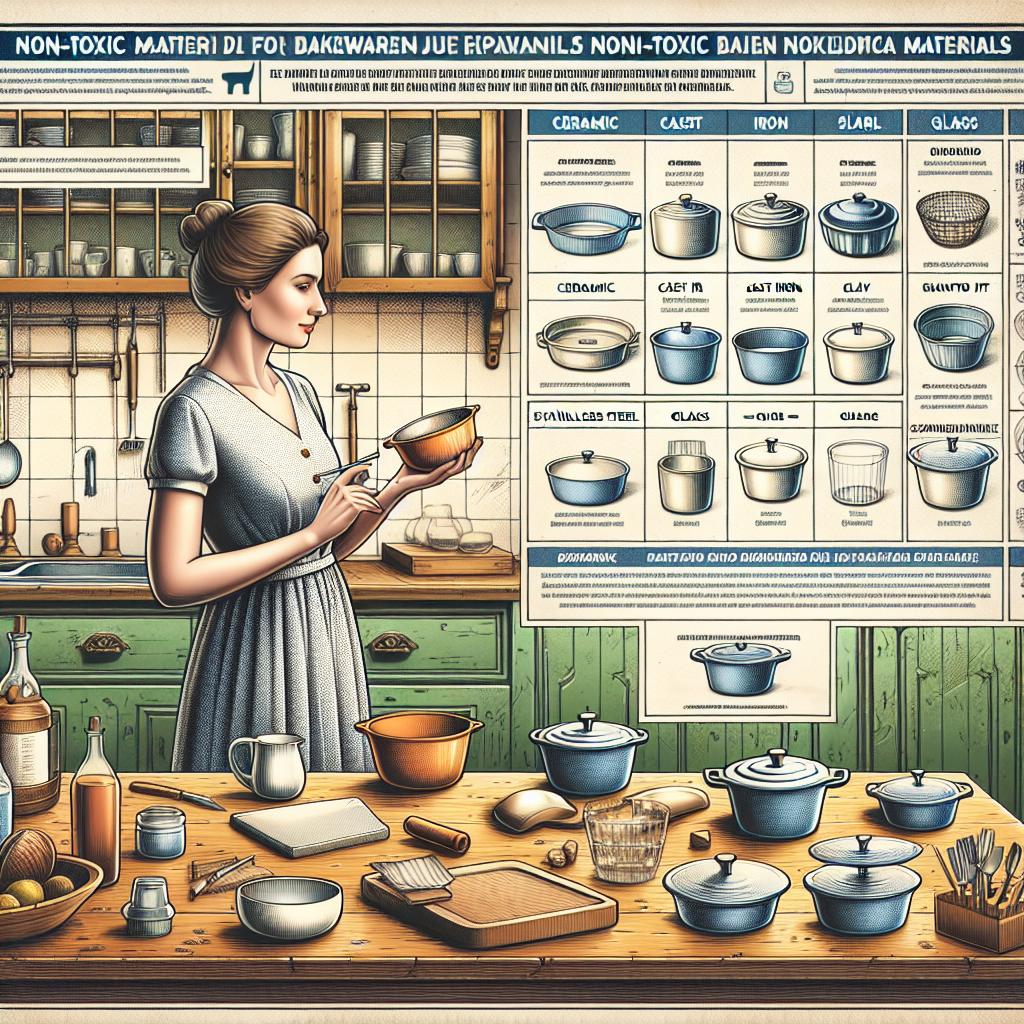
Exploring Non-Toxic Bakeware Materials
When it comes to bakeware, choosing the right materials is as crucial as selecting the right ingredients for your baked goodies. You wouldn’t pour cake batter into just any old tin, would you? Non-toxic bakeware options not only ensure your culinary creations taste divine but also keep harmful chemicals at bay. Imagine whipping up that chocolate fudge cake, only to find out your trusty baking pan leached some nasty substances into your dessert—talk about a baking bonanza gone wrong!
Ceramic
Ceramic bakeware is like the reliable friend who always shows up on time. Available in a variety of styles, colors, and designs, it can be both functional and aesthetic. It’s made from natural clay and often finished with a non-porous glaze. This makes it resistant to scratches and stains—just like your favorite jeans that seem to survive every washing machine mishap.
- Benefits:
– No harmful chemicals like PTFE or PFOA.
– Sturdy construction that holds heat evenly.
– A plethora of vibrant designs to suit your kitchen vibe.
However, keep in mind that not all ceramics are created equal. Always check for lead-free options, especially with brightly colored glazes. A little homework now can prevent a disastrous baking moment later!
Silicone
If you’re looking for flexibility in your bakeware, silicone is your go-to buddy. It’s bendy, nonstick, and perfect for those intricate muffin shapes or cake designs. Think of it as the yoga instructor of bakeware: super adaptable and always up for fun!
- Benefits:
– Completely non-toxic, free from BPA and phthalates.
– Microwave, freezer, and dishwasher safe—we’re talking about multi-tasking!
– Flexibility ensures easy release of baked goods.
On the flip side, some folks worry about the durability of silicone bakeware. A quick tip? Invest in high-quality silicone products from reputable brands. That way, you’re less likely to encounter weak silicone, which can lead to sad, droopy cakes that are more sad clown than celebration.
Glass
Ah, glass bakeware—the unsung hero of the kitchen! It’s the favorite choice of grandmas and health-conscious bakers alike. Glass doesn’t react with food, which means your cookies won’t take on any unwanted flavors. Plus, it’s as tough as a superhero when it comes to enduring changes in temperature.
- Benefits:
– Non-reactive, so no mysterious chemical conversations with your brownie batter.
– Easy to clean—like, seriously. Just soap and water or a trip through the dishwasher.
– Transparent design lets you keep an eye on your bubbling masterpiece.
Always remember that glass can break, so be gentle when handling. Treat it like your favorite mug that you’d get upset about spilling, and you’ll be just fine.
Stainless Steel
Last but not least, let’s give a shout-out to stainless steel! It’s tough, reliable, and practically unbreakable (just like that record you set at game night). It can take on high heat without warping, ensuring your cookies or casseroles cook evenly.
- Benefits:
– No coatings to worry about—all that shine is naturally pure.
– Extremely durable; it can handle both the roiling heat of the oven and the occasional drop.
– Generally lighter than glass, making it easier to maneuver when filled with heavy batters.
While stainless steel is fantastic, it doesn’t offer non-stick properties, so you might want to consider using parchment paper or a light spritz of cooking spray. Think of it as a gentle reminder to treat your bakeware with care and consideration.
the world of non-toxic bakeware materials is filled with amazing options that are safer for you and your family. Keep experimenting and finding the perfect tools that fit your unique baking style, and don’t shy away from trying new methods. After all, baking is about creativity and, let’s be honest, a dash of delicious mischief!
Why Choose Non-Toxic Bakeware for Health
Imagine for a moment that your baking pan is a secret agent. It might look innocent enough, but lurking beneath that shiny surface could be harmful substances that are stealthily leaching into your delicious muffins or brownies. Choosing non-toxic bakeware is like providing your kitchen with an indestructible shield from all those questionable chemicals that often come with traditional bakeware. After all, life’s too short to bake with materials that might do us more harm than good, right?
Health Risks of Traditional Bakeware
Traditional bakeware, especially those made from materials like aluminum and non-stick coatings, can sometimes harbor hidden dangers. Aluminum pans, for example, can react with acidic foods, leading to aluminum leaching into your meals. This may seem like a minor issue, but persistent exposure has been linked to health concerns, including neurodegenerative diseases. It’s like inviting a guest to your dinner party who might steal the salad instead of complimenting it!
Another common culprit is Teflon, found in non-stick surfaces that can release toxic fumes if overheated. Imagine whipping up a batch of pancakes only to find your kitchen filled with fumes that could be straight out of a horror movie! Choosing non-toxic options ensures that your kitchen remains a safe haven where you can whip up delightful treats without added stress.
Why Non-Toxic Bakeware Wins
Going non-toxic isn’t just about dodging potential health pitfalls; it’s also about elevating your overall baking experience. Here are some perks to think about:
- Healthier meals: With options like stainless steel, glass, and silicone, you can bake without worrying about toxins sneaking into your food.
- Durability: Many non-toxic materials are designed to last, so you won’t find yourself replacing bakeware every few months. That’s money saved for more chocolate chips!
- Better performance: Non-toxic bakeware often provides more even heat distribution, giving your cookies that perfect golden-brown finish.
It’s like trading a flimsy umbrella for a sturdy one during a downpour; you’ll appreciate the upgrade when the storm hits. Not only are you ensuring a healthier baking environment, but you’re also empowering yourself with tools that make your culinary masterpieces shine.
A Practical Choice for Family Health
If you’ve got kids or plan on welcoming friends for a bake-off, opting for non-toxic bakeware becomes even more critical. You wouldn’t want the kids chomping down on a cupcake mixed with unwanted substances, right? It’s similar to choosing organic veggies over the ones doused in pesticides. You’re making a conscious decision to prioritize well-being. Plus, with the rise in awareness around non-toxic products, you can find an impressive variety—everything from colorful silicone molds to elegant glass dishes that make even lasagna look gourmet.
Research is ongoing into the long-term effects of these substances, so it’s not just about avoiding them now, but also about being proactive for the future. Speaking to friends who’ve made the switch, the sense of peace of mind is palpable. It’s like finally hearing your favorite song on the radio again—it just feels good. By choosing non-toxic bakeware, you’re not just baking; you’re investing in a healthier lifestyle for yourself and your loved ones. So, while that old non-stick pan might have served you well once upon a time, it’s time to let it retire.
The Benefits of Safe Baking Alternatives
Did you know that what you bake with can be almost as important as what you bake? It’s a wild world out there among bakeware options, and some will leave you as perplexed as a cat in a dog park. Most people don’t realize that traditional metal or nonstick pans can leach toxic chemicals, especially when heated. But fear not, because there are safer baking alternatives that can keep your treats delicious and your health in check!
Health Benefits Galore
Switching to non-toxic bakeware can transform more than just your ingredients; it could transform your entire cooking experience! Imagine whipping up a batch of brownies in a ceramic dish that doesn’t leach any strange substances into your gooey chocolatey goodness. Sounds dreamy, doesn’t it? Here are some benefits of embracing safer options:
- Reduced Toxin Exposure: Many standard bakeware options contain chemicals like PFOA or PTFE, which can release fumes when heated. Using alternatives like silicone or glass helps minimize your exposure to these nasties.
- Eco-Friendly Choices: Clay or bamboo bakeware isn’t just healthier for you; it’s also kinder to Mother Earth. By choosing sustainable materials, you’re trading that landfill-destined plastic for compostable goodness. That’s a win-win, right?
- Easy Cleanup and Durability: Ever tried scraping burnt cake off a metal pan? It’s like wrestling an alligator! Silicone and glass are non-stick, which means less scrubbing and more time enjoying your freshly baked goods. Plus, they last longer and save you money in the long run—talk about a double whammy!
A Flavor You Can Trust
Let’s talk about flavor. You know how you used to bake with whatever was in the cabinet and hope for the best? Well, that might’ve led to some questionable outcomes (looking at you, burnt cookies). By choosing non-toxic bakeware, you’re not just avoiding bad chemical flavors; you can actually enhance the natural taste of your baked goods.
Consider this: if you’ve got a trusted ceramic pie dish versus your old nonstick pan—where do you think those subtle flavors of pumpkin or apple pie are going to shine through more? Yep, that’s right! Plus, ceramic tends to distribute heat evenly, so you won’t have to live in fear of undercooked middles or burnt edges—unless, of course, you forget to set a timer!
Weighty, but Worth It
Sure, switching to safer bakeware might seem heavier on your wallet initially, but think of it as an investment in your health and culinary success. While some fancier options may cost a pretty penny, consider their longevity and the health benefits. Are you really willing to pay the price of health for a flimsy, suspect cake pan?
So, the next time you find yourself in the kitchen, arm yourself with safer bakeware options like ceramic, glass, or silicone. It might just be the upgrade your kitchen has been craving all along! Plus, you’ll have a great story to share at that next neighborhood bake sale, a true “chef’s secret” that might even leave your friends feeling a tad envious!
Top Non-Toxic Bakeware Brands to Consider
Finding the right bakeware can feel like searching for the Holy Grail, especially when you want to avoid the toxic surprises that come with some traditional materials. Fortunately, non-toxic baking options are on the rise like the warm smell of freshly baked cookies wafting through your kitchen! Let’s dive into some brands that are taking the lead in creating bakeware that doesn’t just bake beautifully but is also safer for you and your loved ones.
Silicone Bakeware: A Flexible Friend
Silicone has been making waves in the baking community, and for good reason. It’s incredibly versatile and easy to use. Brands like AmazonBasics and Ecolution offer silicone bakeware that’s free of harmful chemicals like BPA or phthalates. Plus, it’s dishwasher safe, which means fewer battles with stubborn baked-on residue—almost a miracle for every home baker who’s ever felt like a scrub brush was their only true friend.
But not all silicone is created equal—look for products that are 100% silicone, as some cheaper models may mix in fillers that compromise safety. Imagine buying a brand-new silicone muffin pan only to find out it’s been playing hide-and-seek with its safety! Aim for brands that are transparent about their materials to ensure your bakeware is as trustworthy as grandma’s secret cookie recipe.
Stainless Steel: The Indestructible Marvel
If you’re on the lookout for durability and stability, stainless steel is your new best friend. Brands like USA Pan and Nordic Ware provide non-toxic, stainless steel bakeware that will outlast even your best baking efforts. These pieces are excellent heat conductors, ensuring your pastries bake evenly every time—no more lopsided cupcakes that look like they’ve had a bad hair day!
One tip: For those sticky situations—hello, cinnamon rolls!—look for options with a quality non-stick coating that is free from PFAS (the “forever chemicals”). It’s like finding a needle in a haystack, but oh-so-worth it for a perfectly backed treat without the residue worries.
Glass Bakeware: Classic and Reliable
Don’t forget about good old glass bakeware, making a comeback hotter than the latest TikTok dance craze! Companies like Pyrex and Anchor Hocking offer bakeware that’s made from tempered glass, meaning it’s not just pretty—it’s sturdy too. Glass is non-reactive, so you can whip up that zesty lemon bar recipe without worrying about a flavor clash from your bakeware.
However, avoid sudden temperature changes (no cold popsicles to hot oven) as tempered glass can be a bit dramatic in those situations—talk about overreacting! But if you’re careful, glass bakeware can lead to culinary masterpieces that look as good as they taste. Plus, it’s easy to clean—just a splash of soap and water has it sparkling like new!
The Eco-Friendly Champions
For those who love Mother Earth as much as baking, eco-friendly brands are finally getting the recognition they deserve! Companies like GreenPan offer bakeware made from recycled materials and coated with a non-toxic ceramic finish. It’s like hugging a tree while baking cookies; you’ll feel just as good about your contributions to the planet as you do about those cookies disappearing faster than you can say “chocolate chip!”
The catch? Check for certifications like the FDA or EPA recognition to make sure you’re getting top-notch, eco-friendly goodies. After all, avoiding toxic chemicals is a win, but let’s ensure you’re not adopting a bakeware that’s trying to be a fashion statement with all the wrong ingredients!
Whether you’re a seasoned baking pro or just starting your journey into the world of cookies, cakes, and casseroles, choosing the right non-toxic bakeware brands can transform your kitchen experience. With the right tools (and maybe a sprinkling of chocolate chips), you’ll be on your way to creating delicious treats that are safe for your loved ones!
How to Identify Non-Toxic Bakeware
Identifying non-toxic bakeware can seem like searching for a needle in a haystack, especially when half the time it feels like companies are trying to pull a fast one on us. But fear not, my baking buddy! With a little know-how, you’ll be navigating the bakeware aisle like a pro, avoiding those sneaky harmful materials that could turn your delicious creations into a health hazard. Here’s what to look out for on your quest for kitchen safety!
Materials Matter
When choosing bakeware, the material it’s made from is your first clue. Here’s a nifty list to help you decipher your options:
- Glass & Ceramic: Classic, timeless, and a great choice for toxin-free baking! They don’t release any harmful chemicals during cooking and are easy to clean.
- Silicone: Flexible and fun, silicone bakeware is popular for its non-stick properties and durability. Just make sure it’s 100% food-grade silicone, free from fillers.
- Stainless Steel: Sturdy and resistant to rust, stainless steel bakeware is a top contender. Ensure it’s high-quality, as lower grades can leach toxins.
- Cast Iron: A favorite among many bakers, cast iron is incredibly durable and retains heat beautifully. Just keep an eye on the seasoning to prevent sticking.
Watch Out for Coatings
Many bakeware items come with non-stick coatings, which often sound delightful, but some of them are anything but.
The two critical things to be wary of are:
- PTFE and PFOA: These chemicals, commonly found in non-stick cookware, can emit toxic fumes when heated. Look for bakeware labeled as PFOA-free or PTFE-free.
- Enamel Coatings: While they can look beautiful, not all enamel coatings are created equal. Choose brands that specify their materials are safe and free of lead.
Check for Certifications
If the internet is like a chaotic never-ending slum of information (which it is), certifications can be the shining beacon guiding you towards safer choices! Look for bakeware that has been certified by credible organizations, like the FDA or NSF International.
A few certifications to keep in mind:
| Certification | Description |
|———————|——————————————|
| FDA Approved | Ensures the product is safe for food contact. |
| BPA-Free | Indicates that the product is free from Bisphenol A, a harmful chemical. |
| Green Seal Certified | Confirms environmental and health standards are met. |
Remember, when it comes to non-toxic bakeware, taking these precautions not only protects your health but also contributes to a more sustainable planet. It might sound like a lot, but with practice, you’ll easily become a bakeware sleuth, ensuring that what you’re baking with is as wholesome as what you’re baking! So, roll up those sleeves and enjoy the journey to safer baking!
Caring for Your Non-Toxic Bakeware
When it comes to keeping your non-toxic bakeware in tip-top shape, think of it like building a strong friendship: the more care and attention you put in, the better the bond. These kitchen companions are often made from materials like ceramic, glass, or stainless steel, all of which deserve a little TLC to last you through countless baking adventures (and possible baking disasters).
Gentle Clean-Up
First things first, always opt for a gentle approach while cleaning. Many of these bakeware items can be a bit tender, just like your favorite fluffy marshmallow, so avoid harsh chemicals and abrasive sponges. Instead, embrace the warmth of a soft cloth and mild soap—like using love instead of a sledgehammer. If your bakeware has stubborn stains, a paste of baking soda and water can work wonders. Just let it sit for a bit and then scrub gently; it’s like giving your bakeware a spa treatment!
Storage Solutions
Now, let’s talk about storage. Just as we all appreciate a cozy and organized closet (or at least we’d like to think so), your bakeware deserves a comfy spot too. Stack your pans wisely—smaller ones on top of larger ones—to avoid scratches. You wouldn’t throw your favorite pair of shoes into the bottom of your closet with the heavy winter boots, right? Use soft dividers, or even a dish towel, between pieces to ensure they stay scratch-free. And for glass bakeware, try to keep it away from direct temperature extremes; nobody wants their Pyrex shattering like a bad romantic comedy on the first date!
Avoiding the Oven’s Wrath
Another tip is to steer clear of drastic temperature changes. This is where your bakeware can become a bit like a diva who’s only happy in certain conditions—abrupt changes from cold to hot can lead to cracks or breaks. Remember to preheat properly and let your bakeware come to room temperature before slinging it into the oven. It’s a bit like letting your pizza dough warm up before rolling it out; trust me, your bakeware will thank you for the consideration!
The journey to maintaining your non-toxic bakeware doesn’t have to be overwhelming. With these simple steps, you’ll keep your beloved baking dishes looking as good as the day you brought them home—ready to help you whip up everything from gooey brownies to savory casseroles. So roll up your sleeves, grab that soft cloth, and show some love to your baking sidekicks!
Making the Switch to Healthier Bakeware
Switching your bakeware might feel a bit like switching up your coffee order—daunting at first but ultimately rewarding. If you’re ready to trade in that questionable non-stick pan for something safer, you’re in for a treat that’s as good for your health as it is for your baking. The key is to understand what options exist, and how to navigate these waters without getting overwhelmed. Plus, your cookies will not only taste better, but you’ll also enjoy the peace of mind that comes with using healthier materials.
Ditching the Toxic Chemicals
First, let’s take a moment to consider what’s lurking in conventional bakeware. Many non-stick surfaces are coated with PTFE (think Teflon) and PFOA, which sound more like secret agents than kitchenware materials. When overheated, they can release toxic fumes that you definitely don’t want wafting through your kitchen during the next bake-off. Switching to bakeware made of glass, stainless steel, silicone, or ceramic not only helps you dodge these nasties but can also enhance your culinary creations. Imagine whipping up a batch of chocolate chip cookies and knowing each bite is free from hidden chemicals!
Choosing Your New Best Friends
Here’s a rundown of some of your best alternatives:
- Glass: Perfect for those who prefer a classic touch, glass bakeware won’t leach harmful chemicals into your food. Just be careful with the temperature changes or you might get a glass ‘surprise’ in the oven.
- Stainless Steel: Durable and non-reactive, stainless steel is fantastic for everything from cookies to lasagna. Plus, it’s one of those materials that makes you feel like a pro in the kitchen! No more worrying about scrubbing away residues—just toss it in the dishwasher!
- Silicone: Flexible and colorful, silicone molds make baking more fun. They’re perfect for muffins and brownies which pop out with ease, but make sure to look for BPA-free options to ensure safety.
- Ceramic: Not just pretty to look at, ceramic bakeware offers excellent heat retention. You can serve directly from the oven to the table without losing that beautiful presentation—you’ll feel like Martha Stewart in no time!
Understanding the Fine Print
Of course, when switching bakeware, always check for certification and reviews. You might stumble upon a “non-toxic” alternative that sounds fantastic but actually isn’t. Countries differ in regulations, and so do brands. Some may market their products as ‘safe’ while using materials you might want to avoid.
Here’s a quick reference to help you navigate the bakeware aisle:
| Material | Pros | Cons |
|---|---|---|
| Glass | Non-toxic, easy to clean | Can break easily |
| Stainless Steel | Durable, non-reactive | Not great for baking delicate pastries |
| Silicone | Flexibility, fun colors | Can absorb odors |
| Ceramic | Beautiful, good heat retention | Can be heavy, breakable |
With a pinch of caution and a dash of research, you’ll be well on your way to creating a healthier baking environment. Think of it as setting up a cozy café where everything is fresh, safe, and sprinkled with a little bit of love. Your future sweets and savories will not only taste divine but will also come with a side of wellness!
Faq
What are the most common materials used in non-toxic bakeware?
The materials used in non-toxic bakeware can vary widely, but some of the most popular options include ceramic, glass, silicone, and stainless steel. Each of these materials has its own unique properties that make them safer alternatives to traditional non-stick coatings, which often contain harmful chemicals such as PTFE (polytetrafluoroethylene) and PFOA (perfluorooctanoic acid).
- Ceramic bakeware is typically coated with a non-toxic glaze that is free from harmful chemicals. It distributes heat evenly and is great for a variety of baking tasks, from casseroles to desserts. This material is also visually appealing, making it suitable for serving directly from the oven to the table.
- Glass is another excellent option, as it is non-reactive and does not leach chemicals into food. Pyrex is a well-known brand that offers durable and safe glass bakeware.
- Silicone bakeware, often used for molds and mats, is flexible, easy to clean, and can withstand high temperatures. It is crucial, however, to choose silicone that is food-grade and free from fillers, ensuring it remains free from harmful substances.
- Stainless steel is exceptionally resilient and can also be non-toxic, particularly when it comes to bakeware designed for heavier use in ovens.
How do I determine if bakeware is truly non-toxic?
Determining whether bakeware is non-toxic can be a bit challenging due to the ambiguity in labeling; however, there are several ways to make informed choices. First, look for certifications from third-party organizations that test products for safety. Certifications from the FDA (Food and Drug Administration) or NSF International can provide reassurance that the materials are safe for food use.
Additionally, reviewing material specifications is vital. You want to avoid bakeware made with PTFE, PFOA, or any form of BPA (bisphenol A). Many manufacturers now advertise that their products are free from these components. Knowing the actual composition of the materials is key, so check for terms like “PFOA-free” or “BPA-free” on the packaging.
Lastly, reading consumer reviews and expert recommendations can also be valuable. Websites like Consumer Reports or blogs dedicated to health-conscious cooking often rigorously analyze how products perform in real-world kitchen settings, giving you insights into their safety and usability.
Are there specific brands known for producing the best non-toxic bakeware?
Several brands have forged a strong reputation for producing high-quality, non-toxic bakeware. For those interested in ceramic options, Emile Henry is renowned for its durable, natural materials and vibrant color variations. Their products are made from Burgundy clay, which evenly distributes heat and withstands high temperatures.
When it comes to glass bakeware, Pyrex is a household name. Their bakeware is made from tempered glass that is non-reactive and can transition effortlessly from the oven to the fridge. Furthermore, Anchor Hocking offers a range of glass products that are practical, safe, and often come with lids for easy storage.
For silicone bakeware, look for brands like Silicone Zone or FLEXICORE which emphasize food-grade silicone that is free from fillers and dangerous chemicals. Stainless steel bakeware enthusiasts may appreciate USA Pan, which produces professional-grade, non-toxic options that are built to last.
How does non-toxic bakeware compare to traditional bakeware in terms of performance?
Non-toxic bakeware is designed to perform well under the same conditions as traditional options, but there are some differences worth noting. Ceramic and glass cook differently than metal; they may take longer to heat up but often provide more even cooking results. For instance, glass retains heat exceptionally well, making it ideal for recipes that require slow cooking.
On the other hand, silicone bakeware is unique because it flexes, allowing for easy removal of baked goods without the need for non-stick sprays. However, silicone may not provide the same browning on the bottom of baked items as metal pans can, which is something to consider, especially for certain types of bread or pastries.
Stainless steel offers great heat conductivity and is often favored by professional bakers. Its durability means it can withstand extreme temperatures and is resistant to scratching and staining, maintaining its appearance and functionality over time. Each type of non-toxic bakeware can be selected based on the specific needs of your baking projects, ensuring excellent performance while prioritizing safety.
Are there any health benefits associated with using non-toxic bakeware?
Using non-toxic bakeware can promote better health by reducing exposure to potentially harmful chemicals. Many traditional non-stick coatings release toxic fumes when heated, which can contribute to a variety of health issues, including respiratory problems and chemical exposure concerns. By opting for non-toxic bakeware, you eliminate or significantly reduce this risk, making your baking environment safer.
Moreover, non-toxic materials like ceramic, glass, and stainless steel do not leach harmful substances into food, ensuring that what you bake is safe to consume. This is particularly important for high-temperature baking, where the risk of chemical leaching can significantly increase.
Furthermore, many non-toxic materials are also more environmentally friendly, which adds another layer of health benefits. For example, ceramic and glass are recyclable and produced with fewer harmful emissions compared to some synthetic materials. By choosing non-toxic bakeware, you might also reduce your carbon footprint, contributing to a healthier planet while prioritizing your wellbeing.
How should I care for and maintain my non-toxic bakeware?
Caring for non-toxic bakeware is relatively straightforward, but it does require some specific attention to ensure longevity. For ceramic and glass bakeware, it’s essential to avoid sudden temperature changes, such as placing a cold dish directly into a hot oven. This can lead to cracking or breaking. When cleaning, avoid abrasives; instead, use a soft sponge and mild detergents to preserve their finish.
Silicone bakeware is generally dishwasher safe and can also be cleaned easily with soap and water. However, it is advisable to avoid using sharp utensils that could cut or damage the silicone surface. If discoloration occurs over time, you can use a mixture of baking soda and vinegar to restore its appearance.
As for stainless steel, while it is quite durable, it can develop scratches. To prevent this, opt for non-abrasive cleaners and tools. For tougher stains, a paste of baking soda and water can be effective. Proper drying after washing is crucial as it helps to prevent water spots. By investing time in proper care and maintenance, you can ensure your non-toxic bakeware remains in excellent condition for years to come.
In Conclusion
our exploration of the “Best Non-Toxic Bakeware: Healthier Options for Safe Baking” has shed light on the essential role that cookware plays in our everyday lives. Consciously choosing non-toxic materials not only promotes better health but also enhances your baking experience. Whether you opt for silicone, glass, or stainless steel, Kicking harmful chemicals to the curb is an investment in your wellbeing—and let’s face it, even your delicious brownies will thank you for it!
With the wealth of options available today, you can confidently select bakeware that aligns with your health goals without compromising on quality or results. Bye-bye, toxic Teflon! Say hello to a kitchen filled with safer, healthier baking companions. Remember, every time you preheat your oven, you’re not just baking tasty treats; you’re also crafting a healthier future for you and your loved ones.
So go ahead, stock up on that eco-friendly bakeware, and unleash your inner chef—your next masterpiece is just a whisk away. Happy baking, and may your treats always rise to perfection!