
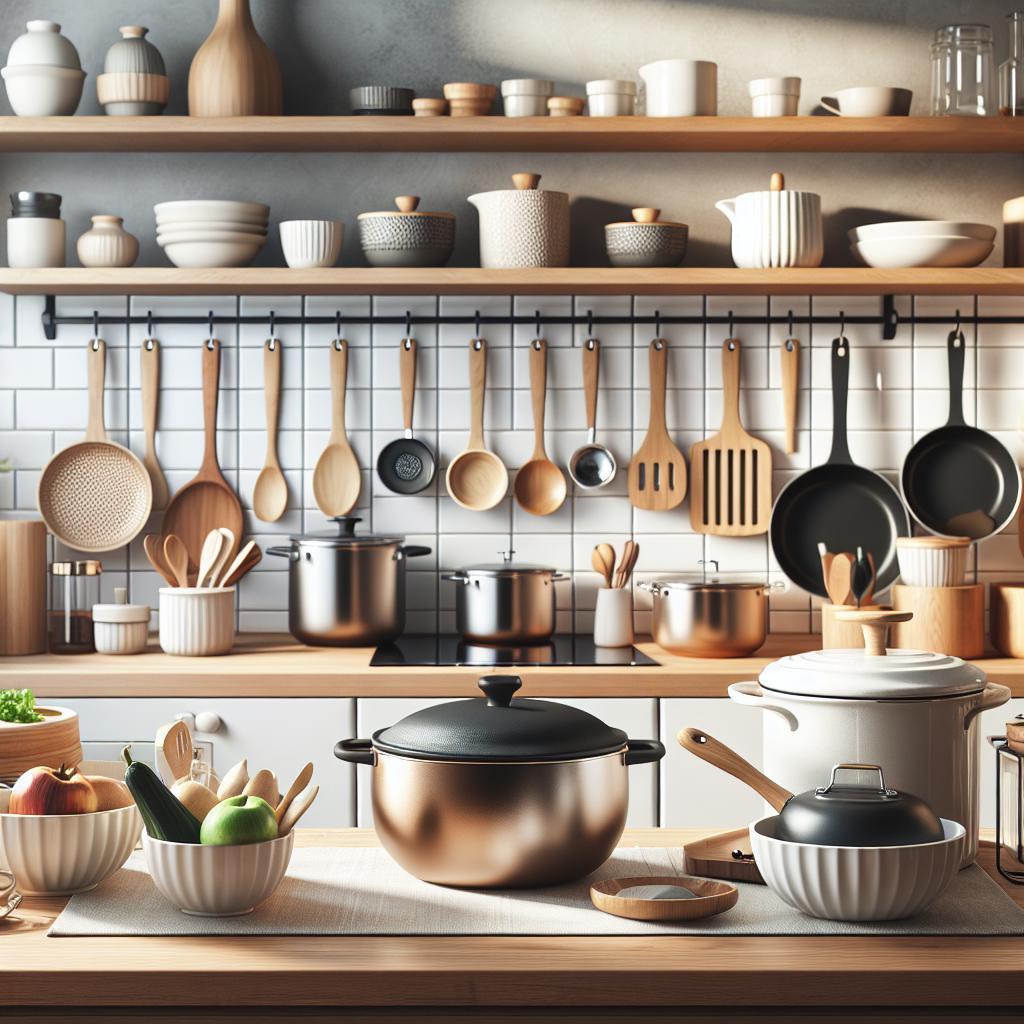

When it comes to preparing delicious meals, the importance of choosing the right cookware often gets overshadowed by recipes and ingredients. However, if you’ve ever wondered, “What is the most healthy cookware to use in your kitchen?” you’re not alone. With a myriad of options available, from non-stick pans to stainless steel and cast iron, selecting cookware that supports both your culinary creations and your wellbeing can be a daunting task. In this article, we’ll break down the healthiest cookware choices to empower you to cook with confidence and care, ensuring every bite is good for you and your loved ones.
Choosing the Right Cookware Material
When it comes to outfitting your kitchen with the right cookware, think of it as choosing the right team for a big game. Each material has its strengths and weaknesses, and knowing what they are can help you whip up healthy and delicious meals without a hitch! It’s a bit like cooking with your favorite friends—some are sassy and excited, while others are dependable and strong. Let’s break down the favorites!
Cast Iron
If you ask any seasoned home chef about cookware, you might hear “cast iron” ring like a bell. This heavyweight champion is known for its heat retention and natural non-stick qualities once properly seasoned. It’s a nutrient powerhouse too, as it can add a bit of iron to your meals—making it a two-for-one deal! Just be prepared for some elbow grease when it comes to cleaning; it’s more of a “treat it right, and it will treat you right” relationship.
However, you might want to be cautious if you’re cooking acidic foods, like tomatoes or lemony sauces, since they could cause discoloration and potentially leach unwanted metals. Think of it as your clingy friend who needs constant reassurance but delivers the best hugs.
Stainless Steel
Ah, stainless steel—the classic choice. This shiny knight in non-corrosive armor is perfect for everything from searing steaks to sautéing veggies. If you’re looking for cookware that meets health standards while being virtually indestructible, this is it! The beauty of stainless steel lies in its ability to distribute heat evenly and resist staining, making it a popular pick in restaurants and homes alike.
The downside? It’s not non-stick by nature, so you may need a little butter or oil to keep your eggs from sticking like that final slice of cake at a party. Plus, you might encounter metals that some people prefer to avoid, so always check the grade for peace of mind. A 304-grade stainless steel typically boasts higher quality, bringing durability to your cooking adventures.
| Material | Pros | Cons |
|---|---|---|
| Cast Iron | Excellent heat retention & adds iron to food | Heavy & requires seasoning |
| Stainless Steel | Durable & non-reactive | Not naturally non-stick |
| Non-stick | Easy to clean & great for low-fat cooking | Can scratch easily & may contain chemicals |
Non-stick
Let’s not forget non-stick cookware, which is like the friend that always brings dessert. It’s incredibly easy to clean and can really help cut down on the fat in recipes. However, the ongoing debates around Teflon and other non-stick coatings have made some people a bit hesitant. Early versions contained chemicals that raised eyebrows, but many modern options are now PFOA-free and considerably safer.
Still, be mindful! Use silicone or wooden utensils instead of metal, unless you want your non-stick surface to look like a battle zone. Balance is key here: enjoy the convenience while keeping an eye on the quality of materials.
Ceramic and Glass
Ceramic and glass cookware can also be my culinary sidekicks, offering a smooth and clean cooking experience. Ceramic is often hailed for its attractive design and safety, but the durability might fade over time. Glass is versatile too—great for both the oven and microwave—plus you can see what’s cooking! Just don’t drop it, or you might end up with a kitchen horror story.
think about what fits your cooking style! Each material has something valuable to offer. Mix and match them according to your needs—just like picking a perfect playlist for a dinner party. After all, healthy cooking should be as joyful as a summer barbecue, not just a chore!
Understanding Health Risks in Cookware
When it comes to cooking, we all want our meals to be as delicious as possible, but have you ever stopped to think about the cookware you’re using? It turns out your pots and pans might be packing more than just heat! From non-stick coatings that could be a culinary blessing or a health hazard to mysterious metals that might give your grandma’s skillet a run for its money, navigating the health risks in cookware can feel like dodging fireballs in a Mario game. So, let’s unpack the truth about those trusty tools that should help us cook, not complicate our health.
Identifying Potential Risks
Many types of cookware, especially those you’ll find in bargain bins or hidden in your cupboard, come with their own set of concerns. For example, nonstick cookware, which allows us to flip pancakes and fry eggs with ease, contains materials like Teflon (PTFE). While it’s convenient, overheating Teflon can release toxic fumes. Think of it like that one friend who’s always fun until they have one too many drinks – enjoyable but risky! The American Cancer Society even noted that at high temperatures, Teflon can produce harmful substances. So, if you’re planning on hosting a brunch, maybe skip the Teflon-coated fry pan unless you plan to keep the temperature low.
Another major contender is cookware made of aluminum. While lightweight and affordable, some studies suggest that cooking with aluminum may pose risks if the aluminum leaches into your food, especially if you’re cooking acidic ingredients like tomatoes. Imagine biting into a deliciously tangy marinara only to wonder if you just consumed a sprinkle of aluminum seasoning. Now, I love a good pasta dish, but that’s not the kind of garnish I’m looking for!
What About Cast Iron?
On the flip side, cast iron cookware is often hailed as the superhero of pans. Not only does it last a lifetime, but it can also add iron to your diet, which is particularly beneficial for those with iron deficiencies. However, you can’t treat it like a delicate flower; it requires proper seasoning and care. Forget to season it, and it may rust faster than a 1995 Honda Civics’ shiny paint job during a rainy Seattle day. The good news? If treated well, cast iron will get better with age – just like fine wine or your favorite pair of jeans.
Then there’s stainless steel, which is the rockstar of cookware materials – durable, resistant to rust, and doesn’t leach chemicals into food. It’s like that dependable friend who’s always ready to help you move and never lets you down. However, overheating stainless steel can lead to food sticking, especially if you’re frying, which is where that classic “not all that glitters is gold” saying comes into play.
A Quick Reference Table on Cookware Risks
| Cookware Type | Potential Risks | Health Benefits |
|---|---|---|
| Nonstick (Teflon) | Releases toxic fumes when overheated | Easy food release, less oil needed |
| Aluminum | Possible leaching into acidic foods | Lightweight, good heat conduction |
| Cast Iron | Rusts without proper care | Adds iron to food, durable |
| Stainless Steel | Food can stick at high temperatures | Non-reactive, durable |
As you can see, each type of cookware has its own flair and flaws. The key is finding the right balance that suits your cooking style while keeping health risks at bay. Remember, no matter how shiny your cookware looks on Instagram, it’s what’s on the inside (and how you use it) that really counts!
Benefits of Non-Toxic Cookware Options
Choosing cookware made from safe materials can have a surprisingly profound impact on both your health and culinary experience. Imagine preparing a delicious stir-fry only to realize that the non-stick coating might leach harmful chemicals into your meal. Non-toxic cookware options eliminate these concerns, allowing you to focus on what’s truly important—creating mouthwatering dishes without the side of worry. With a plethora of materials available, the right choice can enhance not only your meals but also your overall kitchen vibe.
Natural Materials Matter
When we discuss non-toxic cookware, think beyond the shiny surfaces and trendy designs. Materials like cast iron, stainless steel, and ceramic resonate with kitchen gurus and novice chefs alike. Each has its perks:
- Cast Iron: Unrivaled heat retention and naturally non-stick when seasoned properly. Plus, that rustic charm can turn your kitchen into a cozy cafe.
- Stainless Steel: Durable and resistant to warping, stainless steel also doesn’t react with your food, ensuring that flavors stay true. It’s the reliable friend in your kitchen arsenal.
- Ceramic: Known for its vibrant colors, ceramic cookware heats evenly and is usually free from toxic chemicals. Just remember, it’s not indestructible; drop it, and you might need a heart-to-heart with your broom.
When you invest in these materials, you’re not just buying cookware; you’re making a stand for your health. You might not be able to control every ingredient in your kitchen, but at least you can ensure that the vessels you use are up to par.
Avoiding the Bad Stuff
Now let’s dig into the nitty-gritty. Cookware coated with materials such as Teflon or other synthetic finishes can often release fumes when overheated. Have you ever been momentarily blinded by the smoke from a pan that seemed to self-destruct? It can be a comedy of errors, but it’s precisely here that non-toxic options prove their worth.
By avoiding these toxic coatings, you reduce exposure to PTFE, PFOA, and a host of other chemicals that don’t belong in your home—let alone in your favorite dish. The benefits become more evident when you cook. Imagine sautéing veggies where the only seasoning is the natural goodness of the ingredients instead of dodging fumes that taste like a bad science experiment.
Budget-Friendly Choices with Big Benefits
Worried about breaking the bank? You’ll be delighted to learn that non-toxic cookware doesn’t have to be a luxury. Here’s a quick rundown of budget-friendly alternatives that pack a punch in the health department:
| Cookware Type | Price Range | Key Benefits |
|---|---|---|
| Cast Iron Skillet | $$ | Durable, great heat retention, builds seasoning over time. |
| Stainless Steel Pot | $$ | Non-reactive, long-lasting, and often dishwasher safe. |
| Ceramic Bakeware | $ | Non-toxic, aesthetically pleasing, great for even baking. |
By making informed choices, you can whip up fabulous meals minus the toxic hitchhikers. And let’s be honest; your cooking deserves better than to be compromised by cookware that prefers to add more drama than flavor. With non-toxic options, you empower yourself, your lungs, and your loved ones.
it’s about finding a balance between practicality and wellness. Your kitchen should be a sanctuary of flavor and creativity, not a chemistry lab gone rogue!
Comparing Popular Cookware Types
Choosing the right cookware is like picking the right superhero for your kitchen: each type has its strengths, weaknesses, and a unique role to play. With an array of options available, it’s essential to sift through the noise and find out what cookware does more than just hold heat—it needs to support your journey toward healthier cooking. From stainless steel to non-stick pans that seem to have their own fan club, let’s dive into what makes each type tick (or not tick, as the case may be).
Stainless Steel Cookware
Picture this: a gleaming set of stainless steel pots and pans, reflecting the light like a superhero’s shiny armor. Stainless steel is incredibly durable and resists scratching, offering a non-reactive surface that doesn’t leach chemicals into your food.
- Pros:
– Durable and long-lasting
– Safe for high-heat cooking
– Non-reactive, ideal for acidic dishes
- Cons:
– Poor heat conduction (though many come with aluminum or copper bases)
– Food can stick if not properly preheated or oiled
When you’re sautéing your veggies, go ahead and crank up the heat. The shiny surface may look fancy, but this cookware is ready for robust flavor development. Just remember, it can be a bit of a clingy friend if you don’t use enough oil—food sticking to stainless steel is like your buddy who won’t let go at the party.
Non-Stick Cookware
Ah, the beloved non-stick skillet—the sidekick that promises to make flipping pancakes as easy as pie (or should I say, cake?). There’s something magical about watching food glide effortlessly off the surface without leaving a trace behind. Modern non-stick cookware often utilizes ceramic coatings or other materials that are purportedly safer than older Teflon coatings containing PFOA.
- Pros:
– Easy to clean (hello, dishwasher)
– Requires less oil for a healthy cooking experience
– Great for delicate foods like eggs or fish
- Cons:
– May wear out over time and require replacement
– Can be scratched by metal utensils, so wooden or silicone tools are a must
– Some still question long-term safety of particular coatings (best to do your research)
If your kitchen had a popularity contest, non-stick would be the prom queen. Just be wary of its shelf life—the radiant surface that makes your omelet slide could eventually succumb to wear and tear. Buying quality non-stick cookware is like investing in a good pair of running shoes; they pay off in dividends when it comes to performance and longevity.
Cast Iron Cookware
Imagine holding a cast iron skillet: it feels like you’re holding a piece of history, and in many cultures, it is just that. Cast iron cookware can transform into a non-stick powerhouse when seasoned properly, and it retains heat like a snug blanket on a chilly morning.
- Pros:
– Excellent heat retention, making it perfect for searing meats
– Adds iron to your diet—what’s not to love?
– Versatile; good for stovetop and oven use
- Cons:
– Heavy! Lifting a full skillet is like a mini workout.
– Requires maintenance (like your quirky uncle who needs reminders to take his meds)
– Not always non-stick unless well-seasoned
Much like that unbreakable friendship, cast iron pots and pans can last a lifetime—if you treat them right! And while they might feel like you’re training for the next Olympic weightlifting event, their durability and cooking prowess make them worth the effort. Plus, cooking in cast iron can give your dish a flavor profile that can only be described as “out of this world.”
In cooking, the journey is often as rich as the food itself. Being mindful about the types of cookware we use is essential for a healthy kitchen. With ongoing research and evolving materials available, understanding what suits your needs best can lead to delicious, guilt-free meals that make your stomach—and your body—smile.
Cooking Techniques for Healthier Meals
Finding the right cooking techniques is as crucial as the healthy cookware you choose; think of your kitchen as a stage where both the tools and the methods need to shine. Just like learning to tango, mastering how to cook with healthier methods takes practice and a little bit of flair. Let’s break down some fabulous techniques that will elevate your meals without piling on the extra calories. Whether you’re trying to impress the in-laws or simply want to enjoy a guilt-free dinner, these ideas will help you cook like a pro while keeping things on the healthier side.
Steaming and Sautéing
Steaming and sautéing are two techniques that deserve a spot in your culinary toolkit. Steaming can feel like a spa day for your veggies—keeping them fresh, vibrant, and packed with nutrients. Picture broccoli and carrots steaming together like they’re on some kind of veggie retreat, emerging tender yet crisp.
On the flip side, sautéing with a splash of healthy oil (like olive or avocado) can give your meals a deliciously smoky flavor while using less fat than frying. It’s like taking your ingredients on a quick trip to flavor town, where garlic, onions, and spices mingle to create a vibrant party in your pan! Just remember, a hot pan is your best buddy here; it helps seal in flavors and keeps the moisture where it belongs.
Baking Versus Frying
When you’re craving crispy textures, reach for your oven instead of the fryer. Baking is like putting your dish in a heated hug—cooking it evenly without immersing it in oil. You can make crispy chicken tenders or even fries without the guilt trip, just by giving them a light coat of oil and letting the oven work its magic. It’s basically the healthy cousin of frying, minus the heavy oil and the potential for kitchen calamities (not to mention the splattering!).
If you’re feeling adventurous, try using air fryers. These nifty gadgets promise a crunchy exterior with less oil, turning ordinary meals into culinary delights. It’s as if Santa’s elves delivered a health upgrade to your favorite fried foods! But be warned, not everything can be “air-fried”; some foods, like delicate pastries, might still call for old-school baking.
Grilling and Roasting
Grilling and roasting transform your meats and veggies, giving them those enticing char marks that make for beautiful Instagram photos (just don’t forget the hashtags). This method essentially works like the sun on a hot summer day, cooking outside while locking in flavors — who doesn’t love that smoky aroma wafting through the air?
When you grill, you’re letting the fat drip away, much like a coach giving a pep talk before the big game. Vegetables also come alive on the grill; toss some zucchini and peppers with a little seasoning, and you’ve got yourself a colorful medley that even kids might claim as their “new favorite.” Roasting just takes that idea indoors, allowing structures to caramelize beautifully while developing deep flavors. It’s that sweet spot where crispy meets tender, like that perfect seat at a concert.
The Power of Raw
Let’s not forget about the raw food wave sweeping through the culinary world. Think of salads and raw preparations as the garden party that invites all nutrients to snack healthy. You can whip up vibrant salads with leafy greens, nuts, and seeds that not only look stunning but also keep your health quotient on point.
Incorporating raw foods means you’re keeping all those vital vitamins intact, promoting digestion, and giving your body a beautiful little boost. Just picture biting into a crunchy carrot stick or a juicy slice of watermelon while basking in the summer sun—pure bliss! But, as with everything, balance is key; some foods are best when cooked because it can help break down fibers for better absorption.
There’s a world of cooking techniques out there, each with its unique flair! As we explore these methods, always remember: there’s room for creativity and joy in healthy cooking, and it’s all about what makes you feel good, nourished, and perhaps even a bit gourmet.
Maintaining Your Healthy Cookware
is just as important as choosing the right pieces to begin with. Just picture this: you’ve finally invested in that shiny new stainless steel pan—an heirloom piece that not only sizzles but also promises to be a healthy addition to your kitchen. But wait! Are you treating it right, or could you be setting yourself up for a ceramic nightmare? Fear not, I’ve got you covered with some sturdy tips to maintain your cookware’s health and longevity.
Cleaning Essentials
To keep your cookware in tip-top shape, the way you clean it matters immensely. Here’s the scoop:
- No Harsh Chemicals: While it may be tempting to go for that industrial strength cleaner, resist the urge! Opt for a natural dish soap that won’t leach into your future culinary masterpieces.
- Use Soft Sponges: For pots and pans, think delicate. Scrubbers can scratch and wear down the protective layers of non-stick and ceramic cookware. Soft sponges for the win!
- Seasoning is Key: For cast iron lovers, seasoning is vital! Keep that cooking surface slick by regularly coating it with oil and popping it in the oven at a high temperature to bond with the surface.
Storage Strategies
Your cookware deserves a cozy home—no one likes to be crammed in a haphazard cupboard.
| Cookware Type | Storage Tip |
|---|---|
| Non-Stick Pans | Stack with dividers or place cloth between each layer to prevent scratching. |
| Cast Iron | Store in a dry place to prevent rust; adding a light coat of oil helps too. |
| Stainless Steel | Hang them up if possible; it prevents dents and gives your kitchen an airy vibe! |
Remember, when it comes to cookware, a little TLC goes a long way. For example, I once neglected my cast iron skillet and found it looking like the surface of Mars! After a round of seasoning, it was as good as new, and my cornbread turned out beautifully. Just like any relationship, it’s about nurturing and giving attention where it’s needed.
So, as you whip up that delightful stir-fry or bake a cake, keep these maintenance tips in mind. Your healthy cookware is your kitchen ally, and treating it right is crucial for a lifetime of delicious, guilt-free meals! Each piece tells a story through meals shared and memories made; let’s keep those stories vibrant and flavorful!
Essential Cookware Buying Tips
When it comes to shopping for cookware, the stakes are higher than just picking a pretty pot. You’re not just looking for something that will simmer your sauces; you’re seeking tools that will contribute positively to your health and well-being. Think of it like choosing the right shoes for a marathon—pick the wrong ones, and you might find yourself in a world of sore feet and regrets. The good news is, I’ve got your back with some essential tips to guide your cookware purchasing journey.
Consider Material Matters
First and foremost, the material of your cookware matters—a lot! Each type has its pros and cons, and knowing these will set you on the path to culinary success. Here’s a quick rundown:
- Stainless Steel: Durable and non-reactive, it’s great for everything from frying to boiling. Just be sure to go for high-quality grades like 18/10 for best results.
- Cast Iron: These heavyweight champions are perfect for retention and distribution of heat. Plus, they can add a bit of iron to your diet, but don’t forget: seasoning is key to frying happiness!
- Ceramic: Non-stick and often stylish, ceramic cookware tends to have fewer chemicals. Just avoid overheating, as it can lead to chipping—yikes!
Choosing the right material is like picking a life jacket for a water ski adventure; it can make all the difference in how smoothly you glide through the kitchen—and avoid potential disasters.
Look for Non-Toxic Options
We all want cooking to be less of a chore and more of a joyride, but that doesn’t mean you should overlook safety. As you browse your options, make it a point to seek out cookware that is free from harmful chemicals like PTFE and PFOA. Many brands are now touting their “green” labels, so keep an eye out for products that boast being free of these toxins. Trust me; your future self will thank you when you’re whipping up a delightful dish without the pesky worry of chemicals leaching into your food.
Additionally, consider using brands that practice sustainable manufacturing. It’s like supporting your friend’s band—this could help create a household full of good vibes and delicious meals (not to mention save Mother Earth a bit, too)!
Don’t Forget Practicality and Maintenance
It’s all well and good to drool over fancy cookware, but let’s get real about practicality. If you live a life that involves busy weekdays and zero patience for complicated cleanup processes, go for options that are dishwasher-safe and user-friendly. Think of this as selecting the right partner for a road trip; you want someone who won’t make you do all the heavy lifting.
Make sure to check out these practical features before you get all starry-eyed over design:
- Oven-safe capabilities: Can this pot go from stovetop to oven?
- Weight: Is it light enough for you to handle comfortably, or will it give you biceps worthy of a bodybuilder?
- Handles: Are they comfortable to grip, even when the cookware is hot?
cookware is not just about looks (although we all have that one luxury item we can’t resist); it’s about finding the perfect blend of quality, safety, and ease of use that fits seamlessly into your cooking lifestyle. Happy cooking!
FAQ
What factors should you consider when choosing healthy cookware?
When opting for healthy cookware, several key factors should guide your decision-making process. Material safety is paramount; for instance, materials like stainless steel, cast iron, and ceramic are often recommended due to their non-reactive properties and longevity. In contrast, materials that might leach harmful substances, such as Teflon or aluminum, should be approached with caution. Updated research indicates that high-quality, non-stick surfaces can be safe to use if they are free of PFOA and PFOS, which are chemicals previously used in making these coatings.
Another important factor is heat conductivity. Cookware that distributes heat evenly prevents hotspots, which can lead to uneven cooking and nutrient loss. For example, stainless steel excels in durability and versatility, while cast iron retains heat excellently, making it suitable for searing meats and baking. Moreover, consider the cooking method you’ll use most often. Certain cookware types, such as wok pans, are better suited for stir-frying while others, such as Dutch ovens, excel at slow cooking.
Lastly, look for the sustainability of your cookware. Eco-friendly options, such as those made from recycled materials or sustainably sourced wood, are becoming increasingly popular. Brands are also innovating with cookware that uses less energy during production and provides durability over time, aligning with a sustainable lifestyle.
Are non-stick pans safe to use, and what are the alternatives?
Non-stick pans have been a staple in many kitchens due to their convenience, but concerns about certain non-stick coatings, specifically those made with PTFE (like Teflon), have raised questions about their safety. When heated to high temperatures, these coatings can release toxic fumes that may have adverse effects on health, particularly in birds. However, many companies are now producing non-stick cookware that is free from dangerous chemicals like PFOA, which reduces these risks significantly.
For those who are skeptical about non-stick surfaces, there are several healthy alternatives available. Cast iron pans, while requiring seasoning to maintain their non-stick properties, are extremely durable and can be used for high-heat cooking. They are also an excellent source of dietary iron. Ceramic cookware offers a non-stick surface that is generally considered safer, as it is free from PTFE and PFOA, though users should be aware that it can wear out more quickly than traditional non-stick options.
Additionally, stainless steel and carbon steel pans can be great options as well. While they lack the non-stick surface, they offer incredible versatility and can be seasoned to create a natural non-stick effect over time. With a little oil and the right cooking methods, you can achieve desirable results without relying on traditional non-stick coatings.
How does cookware influence nutrient retention in food?
The choice of cookware can significantly impact nutrient retention, primarily through the cooking method and temperature. For example, high temperatures can cause the loss of heat-sensitive vitamins, particularly B vitamins and vitamin C. Non-stick pans allow for cooking with less oil at lower temperatures, which may help preserve these nutrients. However, cooking methods matter as well; steaming or sautéing in non-stick pans can maintain more nutrients compared to boiling in metal pans that conduct heat too quickly.
Certain materials, such as cast iron, can enhance nutrient profiles by introducing dietary iron if the food is acidic, such as tomato sauce. Studies suggest that cooking with cast iron can increase the iron content of the food itself, especially in dishes with longer cooking times. Conversely, reactive metals like aluminum can interact with acidic ingredients, potentially leaching small amounts of aluminum into the food, affecting taste and nutrient quality.
To maximize nutrient retention, consider using cookware that promotes even heat distribution and permits quick cooking techniques like stir-frying or steaming. Selecting cookware that allows for faster cooking times can help retain essential nutrients, ensuring that your meals are not only delicious but also nutritionally rich.
What is the best type of cookware for high-heat cooking?
High-heat cooking techniques, such as searing, stir-frying, and browning, require durable cookware that can withstand extreme temperatures without degrading or leaching harmful chemicals. Cast iron is often regarded as the best for this purpose due to its ability to retain and evenly distribute heat. Cast iron skillets can reach high temperatures without any risk of damage, making them ideal for searing steak or frying chicken.
Another excellent option for high-heat cooking is stainless steel. If seasoned properly, stainless steel pans can also achieve remarkable heat retention and are less likely to warp than other materials. Unlike non-stick pans, which can lose their coating at high temperatures, stainless steel remains reliable and can handle the rigors of searing without sacrificing performance.
Carbon steel pans are also a popular choice among professional chefs for high-heat applications. They are lightweight, conduct heat well, and, when seasoned, become naturally non-stick. Furthermore, they can be used in the oven, giving them versatility for different cooking styles. Whether you’re browning meats or sautéing vegetables, both stainless and carbon steel can provide the durability needed for high-heat cooking while maintaining health-conscious standards.
How can you maintain and prolong the lifespan of your cookware?
Proper maintenance is key to prolonging the lifespan of your cookware, ensuring that it remains safe and effective for years of use. For non-stick pans, avoid using metal utensils, which can scratch and damage the coating. Instead, opt for silicone or wooden utensils. When cleaning non-stick surfaces, gentle sponges and mild detergents are best; avoid harsh chemicals and abrasive pads that could wear out the coating.
Cast iron and carbon steel require a different approach. After each use, it’s advisable to wash them with hot water and a soft brush, avoiding soap unless absolutely necessary, as soap can strip the seasoning. Once cleaned, dry thoroughly to prevent rusting, and apply a light coat of oil before storing to maintain their non-stick capability and protect the surface.
Stainless steel cookware is generally more forgiving; you can use a variety of cleaning methods. However, to keep it looking shiny and new, consider using a vinegar-water solution occasionally to remove discoloration, or purchase specialized stainless steel cleaners. Always allow the cookware to cool before washing it to avoid warping.
By following these maintenance tips, you can enhance the durability of your cookware, ensuring that it remains a healthy and reliable option for your kitchen needs. Proper care not only extends the life of the pots and pans but also contributes to healthier cooking practices by preventing chemical leaching and build-up of contaminants.
Insights and Conclusions
when pondering “What Is the Most Healthy Cookware to Use in Your Kitchen?”, the choices may feel overwhelming, but our journey through the world of cookware has unveiled some clear champions. From stainless steel’s durability and non-reactive nature to cast iron’s impressive ability to enrich your meals with iron, each material has its unique strengths. Remember to consider factors like cooking style, maintenance, and, of course, safety when making your selection.
As you equip your kitchen with pieces that not only serve up delicious meals but also promote your health, you’re investing in more than just cookware; you’re investing in your well-being. So go ahead, channel your inner chef and whip up those healthy recipes with confidence. And who knows? Maybe your new pots and pans will inspire culinary masterpieces worthy of a Gordon Ramsay critique—minus the harsh words, of course!
With the right cookware, you’re one step closer to a healthier kitchen. Now grab that spatula and get cooking; your taste buds (and your body) will thank you!
Get our latest guides, news, and insights highlighted in your Google Search & AI Overviews.


